Japan has joined the growing list of regulators prying open Apple’s once-sealed iOS garden. The country’s new Smartphone Act – set to begin rolling implementation in December – requires Apple to permit third-party app stores and to relax rules around how software can be distributed and paid for on the iPhone. 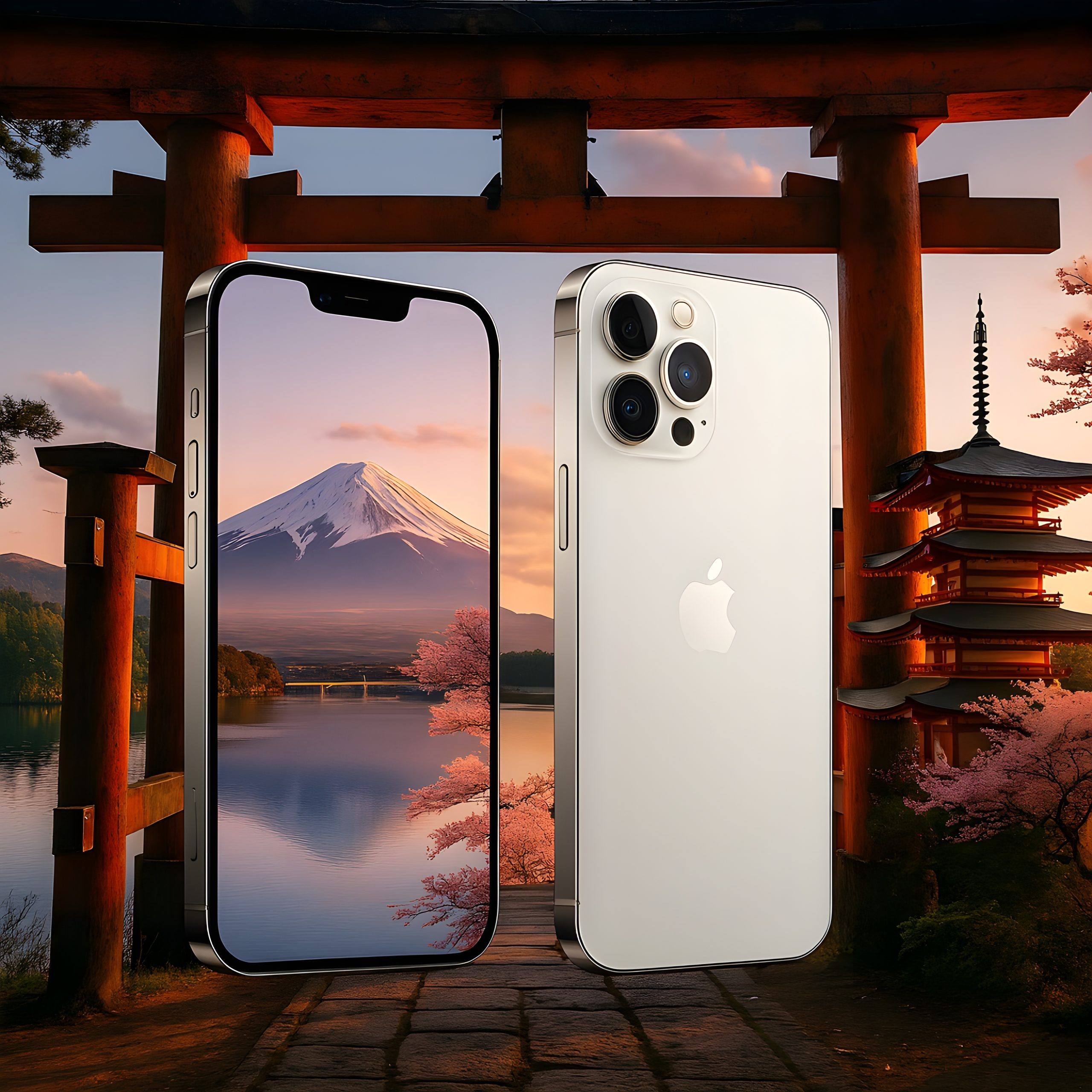
It’s a pivotal moment that adds Tokyo’s weight to a global push already reshaping Apple’s platform policies in the United States, the European Union, and other markets.
Why this matters now
For over a decade, Apple insisted that the App Store remain the sole distribution channel for native iPhone apps, with in-app payments funneled through Apple’s system and subject to commissions. That model has been under sustained legal and regulatory pressure. A U.S. court in the Epic case recently compelled Apple to allow developers to point users to external payment options and cleared the way for Epic’s Fortnite to return. Meanwhile, the EU’s Digital Markets Act (DMA) forced Apple to enable third-party app stores and alternative browser engines across EU countries. Each crack in the wall created expectations elsewhere – and Japan is acting on them.
Japan’s Smartphone Act: the essentials
Japan’s competition and digital policy authorities have signaled that the Smartphone Act will require platforms to stop blocking alternative marketplaces. In practice, that means iPhone owners in Japan will be able to install app stores beyond Apple’s, and developers will gain paths to distribute apps without going through Apple’s standard App Store funnel.
Apple appears to be preparing. Early reports indicate that iOS 26.2 beta 1 includes switches that let users in Japan install third-party app stores. Assuming Apple follows its normal cadence, that capability should roll out more broadly with the public iOS 26.2 release in early December, aligning with the Act’s timeline.
Global ripple effects: Australia and China
Japan’s move amplifies pressure elsewhere. In Australia, Epic has asked a court to allow sideloading of its apps on iOS without paying Apple’s commissions. In China, an antitrust complaint alleges Apple maintains a monopoly over iOS app distribution and payments domestically while offering more flexibility in other regions. As more jurisdictions adopt or test similar frameworks, Apple faces an increasingly fragmented compliance landscape – one that may make global policy harmonization more appealing than region-by-region carve-outs.
What changes for iPhone users in Japan?
- More choice in where to get apps: Users will be able to browse and install software from approved third-party stores, not just Apple’s App Store.
- Alternative payments: Some apps may steer to external payment methods, potentially lowering prices or unlocking new bundles and subscriptions.
- Different store experiences: Competing marketplaces might curate niche libraries (e.g., games, creative tools) or offer loyalty perks that Apple’s store does not.
Benefits and open questions
Developers stand to gain leverage on fees and product design, with more freedom to experiment with distribution and monetization. Consumers may see better pricing, faster updates, and apps previously withheld. Yet important questions remain: What security model will Apple apply to non-App-Store software? Will there be a notarization step, warning prompts, or limits on sensitive permissions? How will Apple’s “steering” rules be policed to prevent dark patterns while allowing legitimate price competition? The Smartphone Act sets the destination – choice and competition – but the implementation details will determine how smooth the ride feels.
Timeline and what to watch
Keep an eye on Apple’s official iOS 26.2 release notes and the emergence of the first third-party stores licensed to operate in Japan. Watch also for developer policy pages clarifying review processes, fees (if any) tied to platform services, and the boundaries for security checks. With Japan joining the EU and recent U.S. rulings, 2025 is shaping up to be the year iOS distribution becomes a multi-channel ecosystem rather than a single storefront. For Apple, that means adapting its business model; for users and developers, it means meaningful choice is finally arriving on iPhone – legally protected and here to stay.