Marvel Games and Insomniac Games aren’t just friendly collaborators anymore – they read like long-time creative partners who’ve built a shared language for making superhero games that feel unmistakably Marvel yet unmistakably Insomniac. That’s the clear takeaway from a new conversation with Game Informer featuring Haluk Mentes, general manager of Marvel Games. His message is simple but telling: when the philosophy lines up, you keep building together. 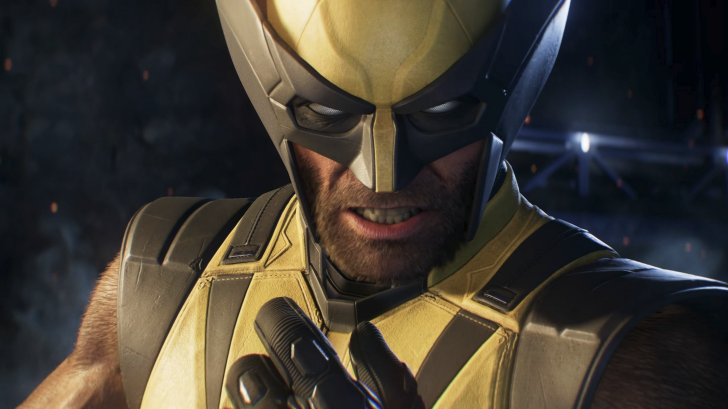
And right now, those lines are perfectly aligned.
Mentes explains that “authenticity” isn’t the same as tracing straight from the comics or films. For Marvel Games, capturing the heart of a character matters more than rigidly recreating every panel. The team encourages studios to create versions that are “familiar yet original” – recognizable to lifelong fans but shaped by the developer’s own creative DNA. The goal isn’t to color inside the lines; it’s to paint with the right colors. That’s why Marvel recruits collaborators willing to take responsibility for the legacy while still making bold, modern choices.
Insomniac is the archetype. Across multiple Marvel’s Spider-Man titles, the PlayStation studio has demonstrated a knack for marrying character-driven storytelling with expressive traversal and set pieces that rival big-screen moments. Over time, that consistency turned into shorthand. Teams on both sides know how the other thinks. According to Mentes, that shared culture made Insomniac the obvious choice to bring Logan back in a way that’s “spectacular and visceral” with the upcoming Marvel’s Wolverine. The subtext is hard to miss: trust like this doesn’t spring up overnight, and it doesn’t disappear after one launch.
That trust is especially precious at Marvel, a brand nearing its 90th year and still cycling new generations of creators into the fold. Mentes frames the stewardship of characters as a relay: each era inherits the baton, adds a mark of its own, and passes it forward. Studios that work well inside that tradition – those that become, in his words, truly “Marvel” – are the ones Marvel wants to keep around for the long run. Insomniac fits that brief to a tee.
What does that mean for players? Expect continued, high-ambition projects where Insomniac’s strengths – movement systems that feel instantly right, richly directed story beats, and a talent for reimagining classic lore – do the heavy lifting. If the Spider-Verse taught us anything, it’s that reinvention can deepen, not dilute, the essence of a hero. Insomniac’s New York captured that lesson: iconic suits returning with fresh twists, villains reinterpreted for a new arc, and a city that moves to the rhythm of your web-swings. That’s authenticity without imitation.
Logan, of course, poses a different design challenge than a friendly neighborhood hero. Wolverine’s world is intimate, bruising, and personal – a knife fight more than a skyline sprint. “Visceral” suggests an emphasis on weighty combat, sharp pacing, and a tone that respects the character’s scars. Insomniac doesn’t need to mimic a comic panel to get there; it needs to honor why Wolverine resonates, then build systems and encounters that translate those reasons into play.
The business context matters, too. Sony’s backing provides production stability and technical muscle; Marvel’s guidance ensures the character compass stays true. Together they can plan multi-year roadmaps without losing the creative spark that made the games pop in the first place. That’s why Mentes’s confidence lands: when a publisher, licensor, and developer agree on values – and have the track record to prove it – you’re not looking at a one-off. You’re looking at a slate.
None of this is a formal announcement of exact titles or dates, but the direction is unmistakable. Marvel’s Wolverine is next on deck, and Insomniac’s accumulated shorthand with Marvel all but guarantees more big swings after that. For fans, it means years of premium, character-forward adaptations that dare to remix the familiar while treating the source with care. For the industry, it’s a case study in how licensed games can thrive when creative autonomy and brand stewardship pull in the same direction.
In other words: the partnership that gave us a definitive take on Spider-Man is gearing up to do the same for Wolverine – and likely more heroes beyond. When everyone in the room shares the same north star, the roadmap writes itself.