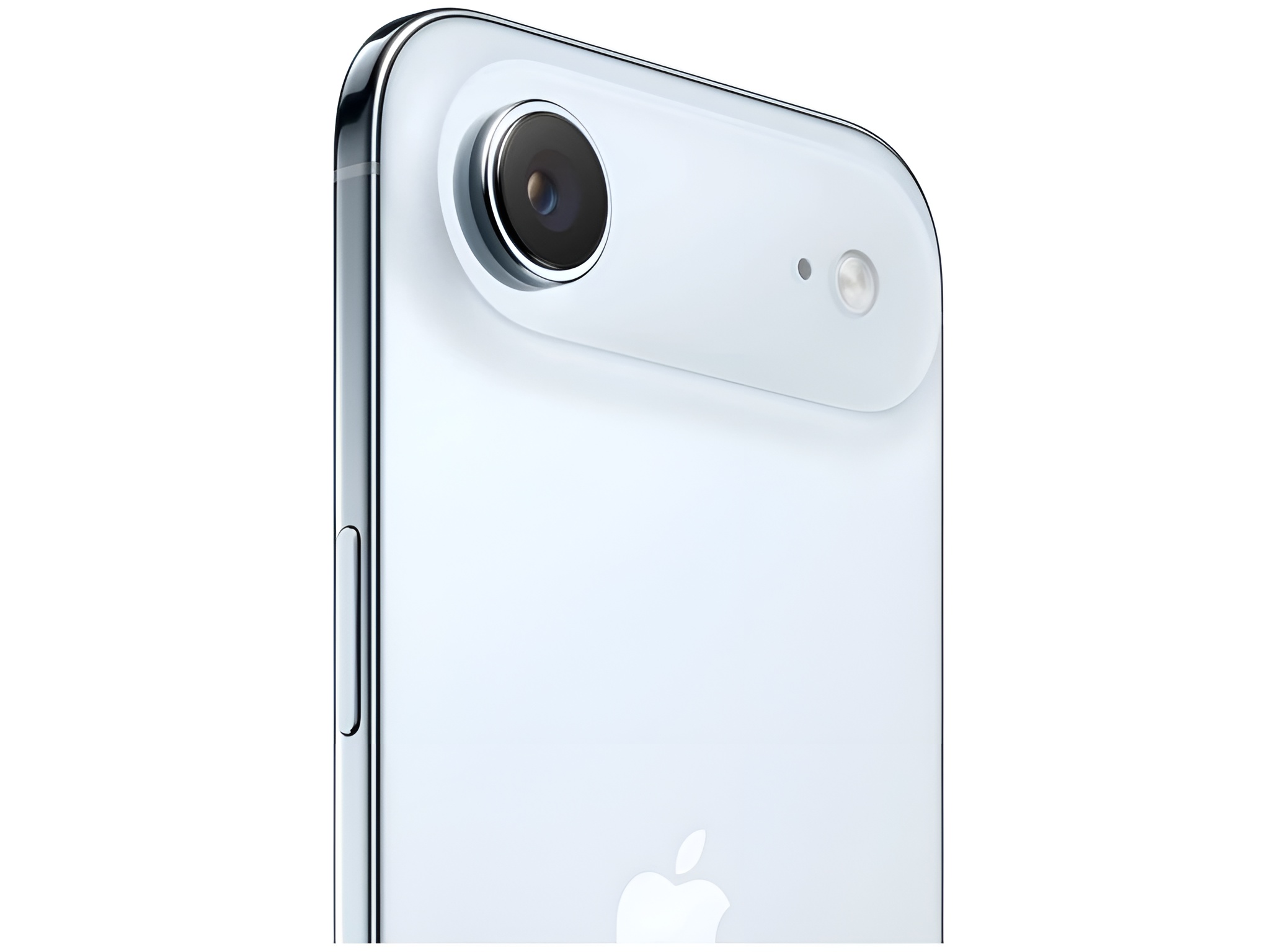
Apple’s iPhone Air 2 and Air 3 Look Alive: Why the Ultra-Slim Line Isn’t Going Away
The rumor mill has been buzzing about the future of Apple’s ultra-slim iPhone Air. Some argue demand looks soft outside China; others say Apple is already preparing the next two generations. Here’s the bigger picture: despite the hand-wringing, credible supply-chain checks and analyst notes indicate Apple still has a roadmap for the iPhone Air family, with sequels queued up – unless demand makes a dramatic U-turn.
China bucks the trend
While early chatter painted a lukewarm global reception, China stands out. The iPhone Air’s eSIM-only design created immediate curiosity in a market where broad smartphone eSIM availability is only just expanding. Novelty matters: a new form factor plus the appeal of a thinner, lighter device gave the Air a clear identity, and that identity appears to have resonated with a cohort of early adopters.
Outside China, adoption feels more cautious. That’s not unusual for new Apple form factors. Products often need a cycle or two to settle into the mainstream, gathering must-have features and price clarity along the way. The first Air was the proof of concept; the next iterations are where Apple typically refines the pitch.
What the analysts say
Wall Street’s supply-chain watchers – who spend their days triangulating factory orders, component flows, and lead times – suggest Apple is pushing ahead. A recent investment note points to an iPhone Air 2 slated for 2026 and an iPhone Air 3 targeting 2027. That timeline undercuts the doomsday narrative that Apple would abandon the new silhouette after a single outing.
TD Cowen’s checks align with that view. Using field work to validate factory rhythms, the firm says Apple is not changing its production cadence for the Air and reiterates previous volume markers for the first generation: roughly 3 million units in calendar Q3 2025 and about 7 million units in calendar Q4 2025. In analyst-speak, maintaining cadence is a quiet vote of confidence – Apple doesn’t keep slots warm on assembly lines by accident.
Signals in the opposite direction
It isn’t all roses. KeyBanc’s October survey reported “virtually no demand for iPhone Air” among its respondents and limited willingness to pay for foldables – useful context even though the Air isn’t a foldable. Around the same time, Nikkei Asia said Apple was dialing back Air build plans while shifting capacity to other iPhone 17 family members. Veteran Apple watcher Ming-Chi Kuo added that several suppliers expected to reduce Air capacity by more than 80%.
Why the whiplash? Supply-chain data is a moving target. Apple routinely adjusts purchase orders to balance yields, regional mix, and launch windows. One snapshot can imply a pullback; the next can show a catch-up. Surveys capture intent, not necessarily behavior after promotions, trade-ins, or software updates change the calculus.
How to read the tea leaves
When two credible camps disagree, look at what Apple tends to do historically. The company iterates. A design that creates a new price-feature niche rarely vanishes after one lap. Instead, Apple refines the engineering, tunes the bill of materials, and layers in differentiators – battery life per gram, premium materials, display innovations, camera thermal management – that make the sequel more persuasive than the debut.
That’s the likely playbook here. If the roadmap holds, iPhone Air 2 in 2026 should focus on durability and efficiency while keeping the ultra-slim profile compelling. iPhone Air 3 in 2027 would then have room to introduce bolder changes: lighter chassis techniques, improved thermal design for sustained performance, and feature parity with mainstream flagships where it matters most.
What will decide the Air’s fate
Three factors will determine whether the Air line thrives: (1) weight and comfort – the Air must feel meaningfully different in-hand; (2) endurance – battery life can’t be the trade-off for thinness; and (3) value clarity – pricing and storage tiers need to make sense next to the standard and Pro models. If Apple threads that needle, the Air could become the default choice for users who want premium iPhone performance without the heft.
Bottom line: Despite mixed demand headlines, multiple supply-chain reads and cadence checks indicate Apple is not shelving the concept. Unless there’s a seismic shift in buyer appetite, the iPhone Air 2 and iPhone Air 3 remain on the horizon.