Pixel 10 is having a moment in the United States – and it’s not just a blip caused by launch-week hype. According to industry trackers, Google’s latest lineup posted a 28% year-over-year sales jump in September 2025, setting a single-month record for Pixel smartphones even as Apple’s iPhone 17 began rolling out. 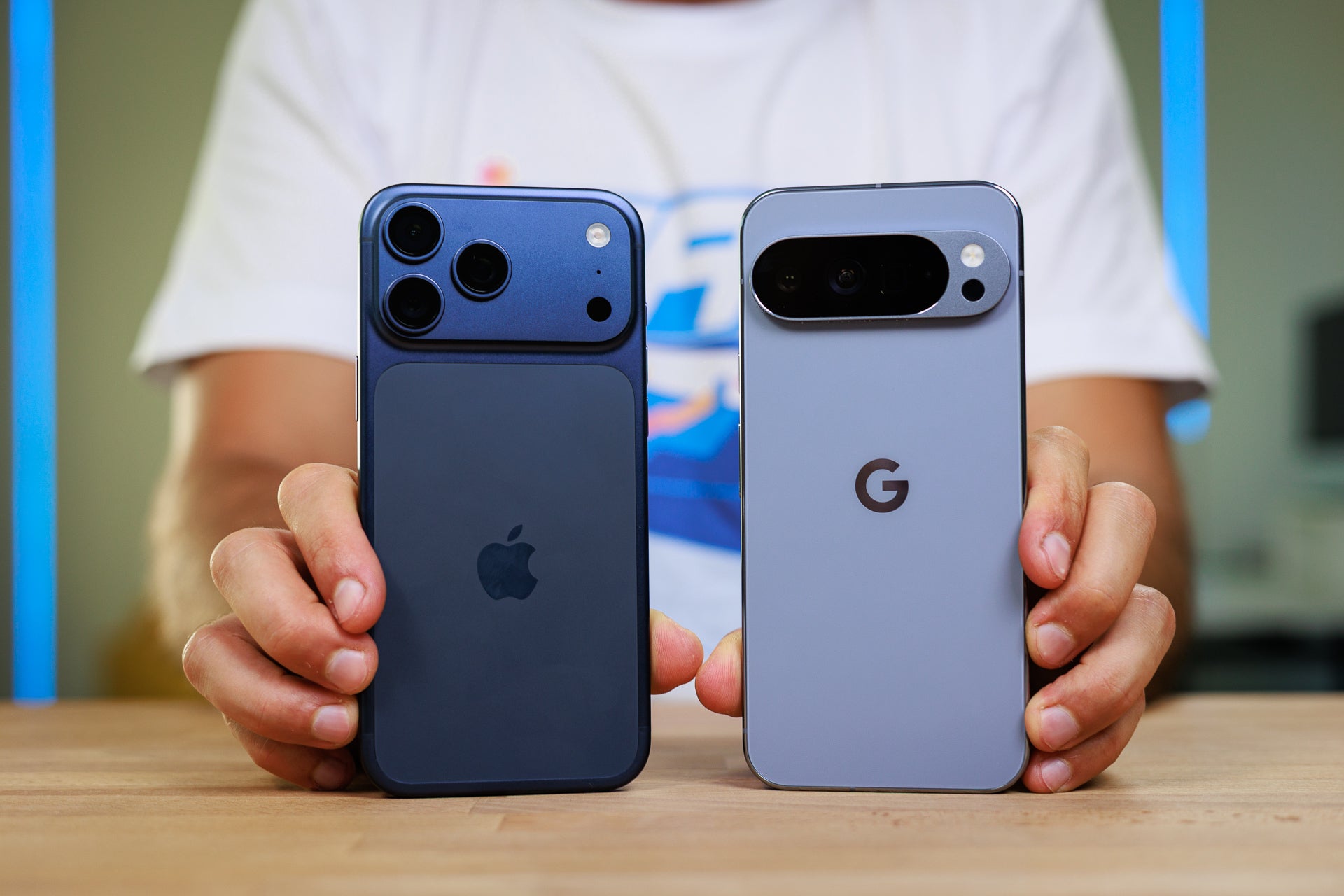
In other words: the iPhone was surging, and Pixel still found room to accelerate.
Where the gains came from
The backbone of the upswing is the Pixel 10 family, with the Pixel 10 Pro XL positioned as the halo device that gets shoppers through the door. Interestingly, Google’s value play hasn’t vanished: the Pixel 9a continued to move units late into its life cycle, showing there’s still appetite for a wallet-friendly Pixel when carriers push trade-ins and budget plans.
Carrier share tells the story even more vividly. At T-Mobile, Google now commands roughly 6.5% of the $600+ segment, up from a barely-there 0.1% three years ago. Verizon shows a similar pattern: from 0.1% in September 2022 to about 7% this September. AT&T lags with roughly 2.3%, reminding us that Pixel’s surge is not uniform across channels. Placement on shelves, store associate training, and the structure of trade-in credits still matter almost as much as product.
Marketing finally clicking – helped by AI
For years, Pixel’s biggest complaint wasn’t hardware; it was visibility. In 2025, the marketing machine looks better tuned. Google’s ads are simpler, louder about real-life benefits, and – crucially – anchored on Gemini, the company’s AI stack. Instead of abstract promises, the campaigns tie AI to everyday use: smarter call handling, context-aware assistance, on-device photo fixes, and translation that makes a difference when you’re traveling or collaborating. That resonates. Even skeptical owners have long argued Google needed a more disciplined, always-on ad strategy; now it feels like one is finally in motion.
There’s also a cost angle. Google has hinted that AI can optimize media buying and creative testing at scale – exactly the kind of automation critics expected from a company that builds engines for optimization. This isn’t about splashy Super Bowl spots; it’s about persistent, targeted messaging that follows shoppers from carrier landing pages to store counters.
Context: the global leaderboard hasn’t budged
Zoom out and the smartphone world remains familiar. In Q3 2025, Samsung led global shipments, with Apple and Xiaomi following. The fastest grower was Transsion, not a household name in the U.S. but a giant across emerging markets. Google’s Pixel still doesn’t crack the global top five. That’s not an indictment of the product; it’s a reminder that Pixel is a regional contender scaling carefully, not a mass-market juggernaut – yet.
Is the U.S. duopoly finally cracking?
Apple and Samsung have dominated the U.S. for a decade. Pixel’s September leap is noteworthy, but it coincided with the first full month of Pixel 10 availability, the early days of iPhone 17, and a calendar slot clear of big Samsung flagships. In other words, Google had a clean stage. The real test arrives in the holiday quarter when promotions intensify, supply tightens, and shoppers decide whether to upgrade now or wait out the next cycle.
Two realities pull in opposite directions. On one hand, the momentum is undeniable at T-Mobile and Verizon, where Pixel has become a legitimate alternative for premium buyers. On the other, U.S. consumers are creatures of habit; many live inside Apple or Samsung ecosystems and switch slowly, if at all. That’s why repeat performance matters more than one glorious month.
What could sustain Pixel’s run
- Keep the hero clear: Pixel 10 Pro XL needs to remain the poster child for Gemini experiences – fast, visible, demo-friendly.
- Own the upgrade cadence: Plenty of buyers swap phones every other year; meeting them with aggressive trade-ins and clean data-transfer tools is table stakes.
- Retail muscle: Maintain shelf presence, train reps, and simplify plans so the Pixel choice is obvious in a five-minute store conversation.
- Lifecycle confidence: Double down on long Android updates and security promises so buyers feel safe stretching an extra year.
- Marketing discipline: Keep AI messaging grounded in relatable tasks – camera fixes, live translation, call screening – rather than buzzwords.
Bottom line
September 2025 was a breakthrough for Pixel in the U.S.: a 28% sales jump, record volumes, and meaningful gains at the two carriers that shape premium Android share. It proves that with sharper marketing, the right hero device, and consistent presence, Google can grow in a market long defined by two names. But a regime change? Not yet. If Pixel repeats – or improves upon – these results through the holiday sprint, we’ll be talking about a durable third pillar. Until then, the iPhone–Galaxy duopoly has a new shadow in the aisle, and it’s finally hard to ignore.
1 comment
AI ads were less cringe this time. Showed real stuff like call screen + translate. More of that, less corporate speak pls