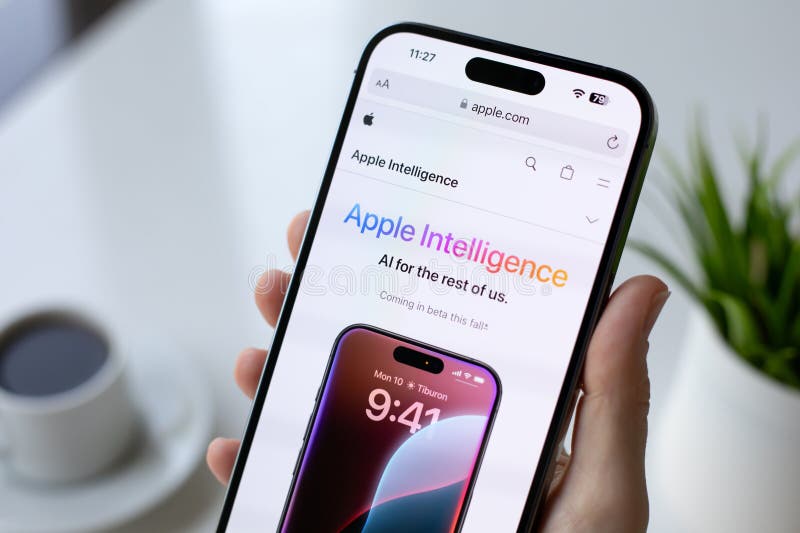
iOS 27: Apple Intelligence grows up after Siri’s spring reboot
Apple’s AI storyline looks set to split into two big chapters. First, the spring release of iOS 26.4 is expected to ship the long-teased Siri overhaul – reporting suggests the assistant finally gets context, app control, and far better language understanding, with some behind-the-scenes help from Google’s technology. Then comes the sequel: according to Bloomberg’s Mark Gurman, iOS 27 (and iPadOS 27) will deliver “major updates” to the entire Apple Intelligence stack and reflect a broader AI strategy shift. Apple will preview the software at WWDC in June, with general availability projected for September alongside the iPhone 18 family.
That’s a bold promise after a year in which Apple’s AI narrative lagged rivals. Google has layered AI into search, messaging, photos, and Android system services; Samsung has leaned into on-device features and creative tools. Apple, by contrast, rolled out Apple Intelligence cautiously, stressing privacy and reliability but leaving power users wanting more. If Gurman’s track record holds, iOS 27 is the point where Apple stops playing small ball.
What “major updates” likely means
- Deeper system context: A unified memory of what you’re doing across apps – emails, calendar plans, documents – so Siri and writing tools can anticipate next steps and draft with accurate details.
- On-device by default: Expect heavier use of Apple’s neural engines to keep more requests local, with cloud hand-offs for big jobs while maintaining Apple’s privacy posture.
- Richer creation tools: Smarter image, audio, and text generation embedded in Photos, Notes, Mail, and Messages – not as chat toys but as everyday accelerators.
- Automation without friction: Tighter links between Siri, Shortcuts, and third-party apps so natural-language requests become reliable, repeatable workflows.
- Developer hooks: New APIs to let apps contribute context and safely receive AI outputs, with guardrails for accuracy, consent, and traceability.
Why timing matters
The spring Siri reboot in iOS 26.4 sets expectations and lays the plumbing. The big bet, however, is iOS 27: Apple must show that Apple Intelligence is not a feature pack but a platform – coherent across iPhone and iPad, predictable for developers, and meaningfully faster on new hardware. If Apple nails this, it reframes the conversation from “catch-up” to “distinctive approach.” If it stumbles, the gap with Android’s AI-everywhere pitch widens.
What to watch at WWDC
Look for Apple to detail the device matrix (which iPhones and iPads get the full experience), how private cloud processing is audited, and how developers plug in without compromising user data. As always, treat anything pre-release as directional, not guaranteed – but the signals suggest Apple Intelligence is about to move from demo-worthy to daily-useful.
Bottom line: iOS 26.4 lights the fuse for a smarter Siri; iOS 27 is where Apple Intelligence is expected to truly expand – ideally matching Apple’s strengths in integration, privacy, and performance.
1 comment
If they keep more AI on-device with real privacy, I’m actually into that. Just make Siri stop derping