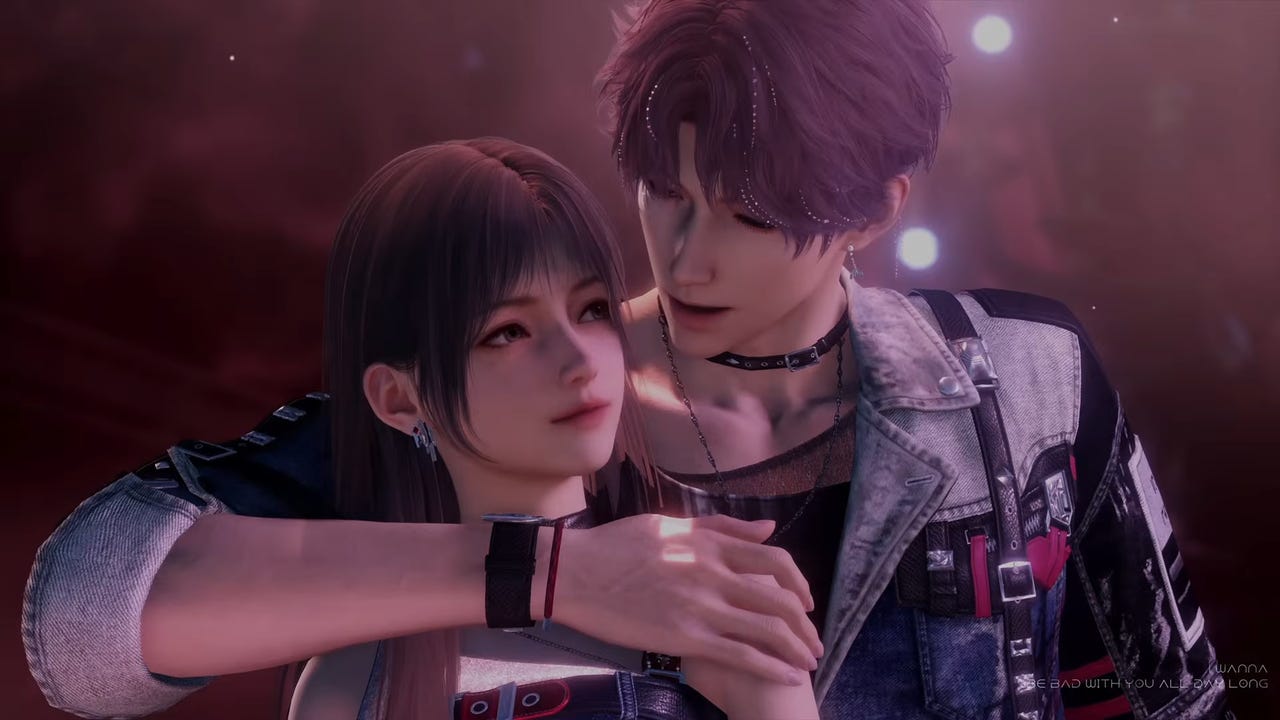
Love and Deepspace Players Voice Concerns Over Dark-Skinned Custom Characters in Cutscenes
Since its release almost two years ago, the popular 3D otome game, Love and Deepspace, developed by Chinese studio Papergames and published globally by Infold Games, has captured the attention of millions. Combining romance, action RPG mechanics, and visually stunning cutscenes, the game has become a sensation, with over 50 million players worldwide by 2025. The storyline revolves around building relationships with five different love interests while fighting off space monsters, offering players an immersive and romantic experience. The game has earned praise for its positive portrayal of women and their needs in relationships, winning accolades such as Best Mobile Game at Gamescom this year.
However, despite its success, the game has been marred by a persistent and growing issue that has left many dark-skinned players frustrated: their custom characters (MCs) are often rendered invisible or poorly lit in cutscenes, particularly those featuring darker skin tones.
The Issue at Hand
One of the standout features of Love and Deepspace is the character customization system, which allows players to adjust the appearance of their MC, including skin tone. Historically, otome games have not always been known for their inclusivity, especially when it comes to darker skin tones. The ability to customize skin tones in Love and Deepspace was seen as a welcome step forward for representation. Yet, despite these advancements, a significant number of players have been reporting persistent issues with their MCs disappearing or becoming oddly shadowed in cutscenes.
These complaints date back to the game’s launch in January 2024 and have continued unabated. Players with darker skin tones have highlighted that the game’s lighting system fails to properly illuminate their characters, leaving them unrecognizable in certain scenes. The problem appears sporadic, with the characters sometimes becoming fully invisible depending on the lighting and the skin tone of the character. This inconsistency means players are never sure if their character will appear properly in new updates or not. While the issue does not affect every cutscene, it remains a major frustration for those who have taken the time to customize their MCs.
The Response From Infold Games
Despite the ongoing complaints, Infold Games had not acknowledged the issue for nearly two years. However, after multiple complaints and submissions sent to outlets like IGN, the company finally responded to an inquiry regarding the problem. Their statement acknowledged the issue, but no immediate solutions were presented, leaving players feeling overlooked and unheard.
This response (or lack thereof) has left many players frustrated, especially considering the game’s marketing emphasized its technical achievements, with a particular focus on making every detail – from hair and skin to clothing – look as realistic as possible. The fact that an issue as fundamental as proper character visibility has gone unresolved for so long has led some players to draw comparisons to larger issues in the gaming industry, such as colorism and racism.
Player Reactions: A Call for Change
On social media, many players have expressed their dissatisfaction with the way the issue has been handled. One user, StarPop, shared their experience on Twitter, noting that the lack of visibility for dark-skinned MCs highlights the industry’s longstanding history of sidelining players of color. StarPop remarked that in many dating games, pale-skinned characters are the default, and the inclusion of darker skin tones often feels like an afterthought, with little care given to how these characters are represented. “In history, dating games have been set where it was just a fair/pale MC and black/brown players don’t invest in playing the game because they don’t see themselves,” StarPop wrote. “When Love and Deepspace came out, black/brown players got into it and it felt like heaven that the MC’s skin tone can change.”
However, the excitement was short-lived, as many players began noticing the same persistent lighting issues. “Not properly lighting us basically tells us black/brown players that they don’t care enough to consistently and properly light us up,” StarPop continued, echoing the sentiments of countless others. This frustration is compounded by the fact that, despite repeated bug reports and feedback, no tangible improvements have been made.
Many players on forums like Reddit and Discord have expressed their disillusionment, with some even resigning themselves to the idea that the issue will never be resolved. One user shared their feelings of despair, stating, “I almost made a post about this but realized it wasn’t worth getting my or anyone else’s hopes up. Not saying people should give up campaigning that they fix it… but with the complexity of the lighting and the fact that they couldn’t even be bothered to change the shading on the injuries in Edge of Continuum, I’m resigning myself to having to submit another bug report that my MC looks like a shadow person.”
For many, this isn’t just about a game bug – it’s about the message the issue sends. The ongoing problems with lighting and character visibility are seen by some as a form of exclusion, sending a message that players with darker skin tones are less important than those with lighter skin. Players who hoped that their diverse representations in a game would be respected have felt ignored by the developers’ inaction.
The Bigger Picture: Racism and Colorism in Gaming
The issue with Love and Deepspace highlights a larger, ongoing problem in the gaming industry: the lack of proper representation for people of color. While many games have made strides toward more inclusive character customization and storylines, issues like these are constant reminders that representation goes beyond just offering the option to choose a darker skin tone. True representation requires attention to detail and a commitment to treating all players with the same respect.
The fact that a game with such a large player base has allowed this issue to persist for so long without meaningful action has led some to question the motives behind the game’s development. Was the inclusion of darker skin tones just a marketing tool, or was it a genuine effort to make the game more inclusive? The silence from Infold Games on this matter only adds fuel to the fire, as many players feel that the issue is being ignored rather than addressed.
The Road Ahead: A Call for Accountability
As of now, there are no clear answers from Infold Games regarding when or if the issue will be fixed. While players continue to report the problem, there is a growing sense of skepticism within the community. Some wonder if the company will ever take real action or if this issue will become just another forgotten bug in the game’s long history. The community continues to advocate for change, hoping that their voices will be heard, and that Infold Games will finally address the visibility issues affecting players with darker skin tones.
Until then, players will continue to share their experiences and frustrations, while many others resign themselves to the reality that Love and Deepspace may never fully resolve these issues. But as one player put it, “If they actually fixed it and it looks decent, I will give Infold every last prop in my arsenal.” The hope for a fix remains, but so does the disappointment.
1 comment
They’d get more sales if they fixed it. Look at Animal Crossing. The first game to let characters change their skin color and hair texture was New Horizons, and it’s the highest selling game in the series. It did happen to come out at the perfect time, but in-depth character creation helped