In the fiercely competitive world of indie games, where new titles flood Steam weekly, standing out can be a daunting challenge. However, one developer, Italian studio Fix-a-Bug, managed to get their 2D dungeon crawler noticed in Japan thanks to an unexpected twist of fate. 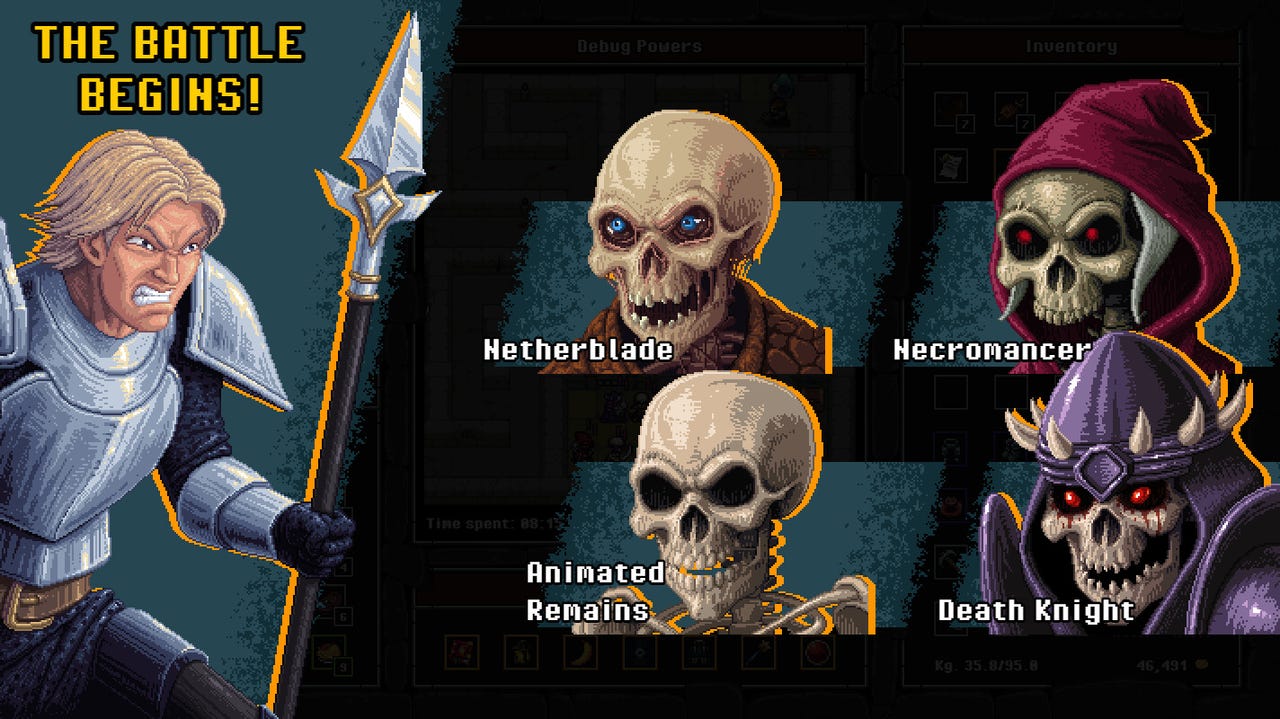
The game, initially named The Crazy Hyper-Dungeon Chronicles, accidentally gained a huge boost in visibility after its Japanese title was mistranslated into something rather, shall we say, unflattering: Kuso Danjon, which translates directly to ‘Shitty Dungeon’ in English.
The mishap occurred earlier this year, in August, when the team was prepping a demo for the game’s Japanese audience. With no professional Japanese translation at the time, they relied on machine translations for the Steam page. The result? A title that had gamers snickering, and word quickly spread across the internet. Paolo Nicoletti, the developer behind the game, reflected on the situation in a candid interview with Game*Spark, sharing that he and his team couldn’t help but laugh at the unintentional blunder. “It was completely unintentional,” he said. “Everyone was cracking up, and honestly, I also laughed a lot about it.”
What could have been a fatal misstep for the game’s reputation turned into an unexpected marketing miracle. As Nicoletti explained, the accidental name change helped the game skyrocket in popularity. “It ended up bringing the game a lot of attention, and the number of wishlists soared,” he said. Despite the unusual name, the developer embraced the situation, calling it “the best accidental marketing” they could have asked for.
The misstep didn’t go unnoticed by the Japanese gaming community. Within days of the mistranslation, discussions about The Crazy Hyper-Dungeon Chronicles began circulating on social media, particularly X (formerly Twitter), as Japanese users took to the platform to comment on the surprising title. The game’s official Discord server was also buzzing with messages about the new name. Despite the developers’ swift realization and efforts to correct the mistake, it became a topic of intense discussion, with users weighing in on whether the game was a hidden gem or a joke.
Interestingly, the incident happened shortly before the Tokyo Game Show, where the game was featured in the ‘Selected Indie 80’ lineup. The demo presented at the show included some awkward machine translations, which likely compounded the humorous situation. However, the developers made it clear that they were addressing these issues, promising a more polished localization for the full release. By the time the game officially launched, it still carried the accidental ‘Shitty Dungeon’ moniker, but the attention from the community had only grown.
Despite the humorous and off-putting title, players soon discovered that the game itself was far from disappointing. The Crazy Hyper-Dungeon Chronicles quickly amassed a “Mostly Positive” rating on Steam, with many users praising its clever dialogue, engaging gameplay loop, and thoughtful design. The game’s blend of humor and challenging combat turned out to be a hit with players, who found that the game’s content was far more refined than its crude title suggested.
In particular, the Japanese audience responded positively to the game, with one user on X commenting, “Humor that lives up to the name,” while others celebrated the game’s impressive pixel art and satisfying mechanics. A reviewer on Steam even admitted that they had been skeptical of the game’s quality due to its unfortunate name, but after taking a chance on the title, they found themselves pleasantly surprised by the depth and enjoyment the game offered. “Despite the title Shitty Dungeon making me think it was a joke, it is actually quite well made,” the reviewer wrote, highlighting the game’s intriguing combat system and balanced humor.
While some gamers may have initially written off The Crazy Hyper-Dungeon Chronicles as a joke, the end result is a classic example of the power of unintended marketing. It’s a reminder that in the world of indie games, sometimes, no publicity can be worse than bad publicity. And as with many video games that have suffered from odd or incorrect translations in the past, the funny mishaps can often end up being far more memorable and impactful than a perfectly worded title ever could be. Who could forget the famous meme, “All your base are belong to us” from the classic game Zero Wing? Or the iconic line, “What is a man? A miserable little pile of secrets,” from Castlevania: Symphony of the Night? These translation errors have gone on to live beyond their original games, becoming part of gaming culture.
In the case of The Crazy Hyper-Dungeon Chronicles, the accidental mistranslation seems to have given the game an undeniable edge, sparking curiosity and interest in a way that the developers could never have predicted. Perhaps, sometimes, the best thing that can happen to an indie game is a little bit of accidental chaos.