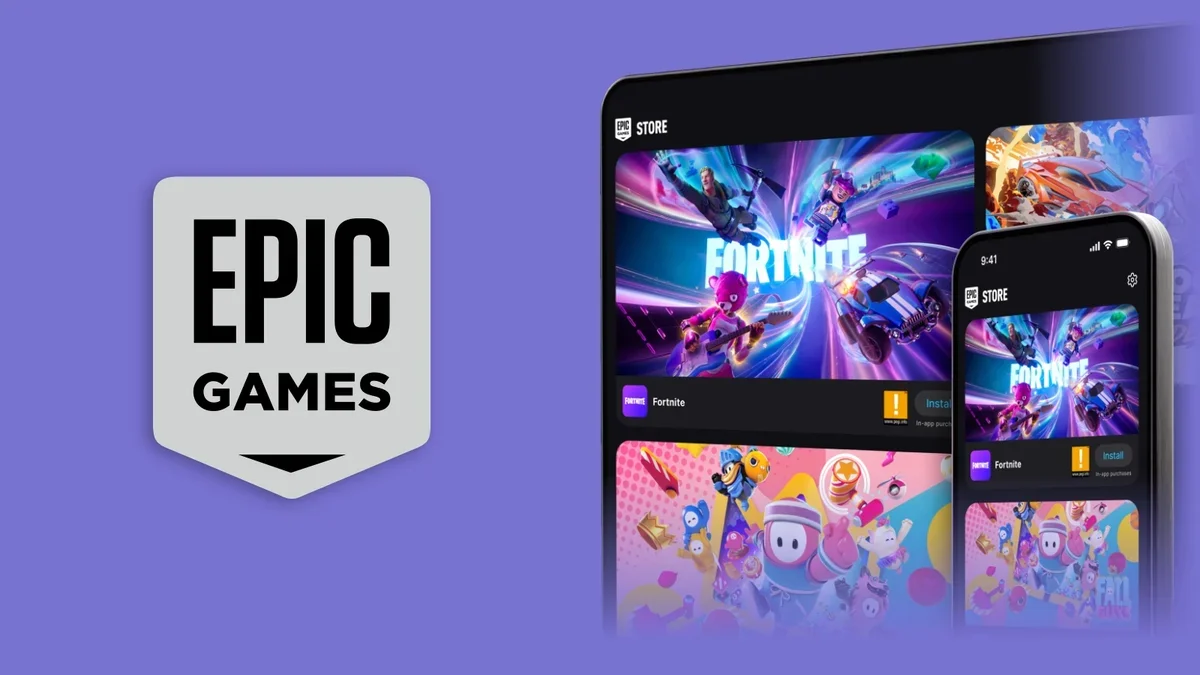
Epic scored a rare, public win over Google. For millions of Android users in the United States, that means the Play Store is on track to feel less like a walled garden and more like a marketplace you can actually negotiate with.
After years of courtroom trench warfare, a federal jury ruled in December 2023 that Google’s Play Store rules crossed antitrust lines. In October 2024, a judge translated that verdict into a permanent injunction. Then, in July 2025, the Ninth Circuit rejected Google’s appeal, keeping the order in place. The result is simple to say and complex to execute: in the U.S., Google must allow a more open Play experience through November 1, 2027, unless a higher court says otherwise. That date matters, because it sets the minimum window in which users and developers can test what real choice looks like on Android.
What actually changes for you
First, developers can tell you, clearly and inside their apps, if a purchase is cheaper outside the Play Store. They can link you to that checkout, or even to an alternative download. The old friction that kept you guessing about prices or forced you to hunt down a website in your browser is being removed. Second, apps distributed through the Play Store no longer have to rely on Google Play Billing. That means familiar options like paying by credit card directly, PayPal, or another trusted processor are not only allowed but cannot be punished by policy. Third, Android’s long-standing ability to install apps from other stores is getting more oxygen: third-party app stores are explicitly on the table, and developers are freer to surface them.
There is a geographic asterisk: these shifts apply to the United States. If you live elsewhere, the Play Store may look and feel the same for now. But legal pressure has a habit of traveling; what gets normalized in the U.S. often becomes a template, at least in spirit, for other regions later.
How we got here, in one timeline
Epic Games fired the starting pistol in 2020 when it added a direct payment option to Fortnite, sidestepping in-app purchase rules on both the App Store and the Play Store. Apple and Google removed the game; Epic sued both. In the Google case, the jury sided with Epic in 2023. A 2024 injunction followed, ordering Google to loosen its grip and banning anti-steering tactics that blocked developers from telling you about alternative prices or stores. In mid 2025, the appeals court kept that roadmap intact. Now, the practical work begins.
The upside: choice, prices, and new business models
Openness tends to introduce competitive pressure. If developers can route high-volume subscribers through lower-fee payment rails, some will share those savings. Others will use the margin to fund support, performance, or premium features that were hard to justify under a one-size-fits-all fee. You may also see new kinds of bundles or loyalty prices that were previously too messy to administer within a single store’s rules.
There is also an experience angle. Alternative billing can reduce checkout friction for people who already trust a specific provider. If you live in your PayPal wallet or keep a company card on file with a vendor, not having to duplicate that in Play Billing is a small but real win.
The caution flags: security, refunds, and responsibility
More doors mean more judgment calls. Sideloading and third-party stores have been part of Android from day one, and they come with the familiar trade-offs: vet the source, read the permissions, and prefer reputable stores. Play Protect, signature checks, and permission prompts help, but they are not substitutes for common sense. Refund flows may differ across payment processors. If you buy outside the Play Store, the developer or the alternative processor will own customer service and chargebacks. That is not bad in itself, but it is different, and you should know where the buck stops before you tap buy.
The money question: what is that 30% really worth?
For years, the headline fee on big platforms hovered around 30%. Think of an app store as part hosting, part discovery engine, part fraud shield, part returns desk. Those functions cost money. Many developers accept that a platform should be paid, just as consigners pay a fee to sell through a physical store. The friction was never payment per se; it was whether the fee reflected the value delivered and whether there was a realistic alternative. With the injunction in place, alternative rails exist. If the Play Store’s value is clear and priced fairly, developers will stay. If not, they have an exit ramp. That, more than any courtroom line, is the real test.
What to expect day to day
Do not expect chaos on your home screen. Most people will continue using the Play Store because it is familiar and, for many, safer. But you will notice small signals: a note that a subscription is cheaper on the developer’s site, a clearly labeled link to an external checkout, or the option to set a default payment provider. Power users may experiment with rival stores; the average user will benefit indirectly as pricing and policies become more competitive.
Developers get their say back
For developers, the injunction removes the gag order. They can explain pricing, offer links, and choose billing without fearing retribution in ranking or enforcement. That freedom comes with obligations: handling taxes, fraud, and refunds well; supporting multiple payment methods cleanly; and communicating security practices transparently. Those who do this right could earn trust that outlasts any legal deadline.
My take
Like many people, I install almost everything through the Play Store. Convenience is a habit. But the point of an open ecosystem is not to force anyone off the default path; it is to ensure the default earns its place. This ruling nudges Android closer to that ideal. It offers real choice, clearer information, and room for better deals. Use it with care, and it will likely make the whole marketplace a little smarter and a lot more honest.
One last reminder: these changes are guaranteed in the U.S. through November 1, 2027 under the current order. A lot can happen between now and then, but the direction of travel is set. Openness is no longer theoretical. It is policy, and now it must prove itself in practice.