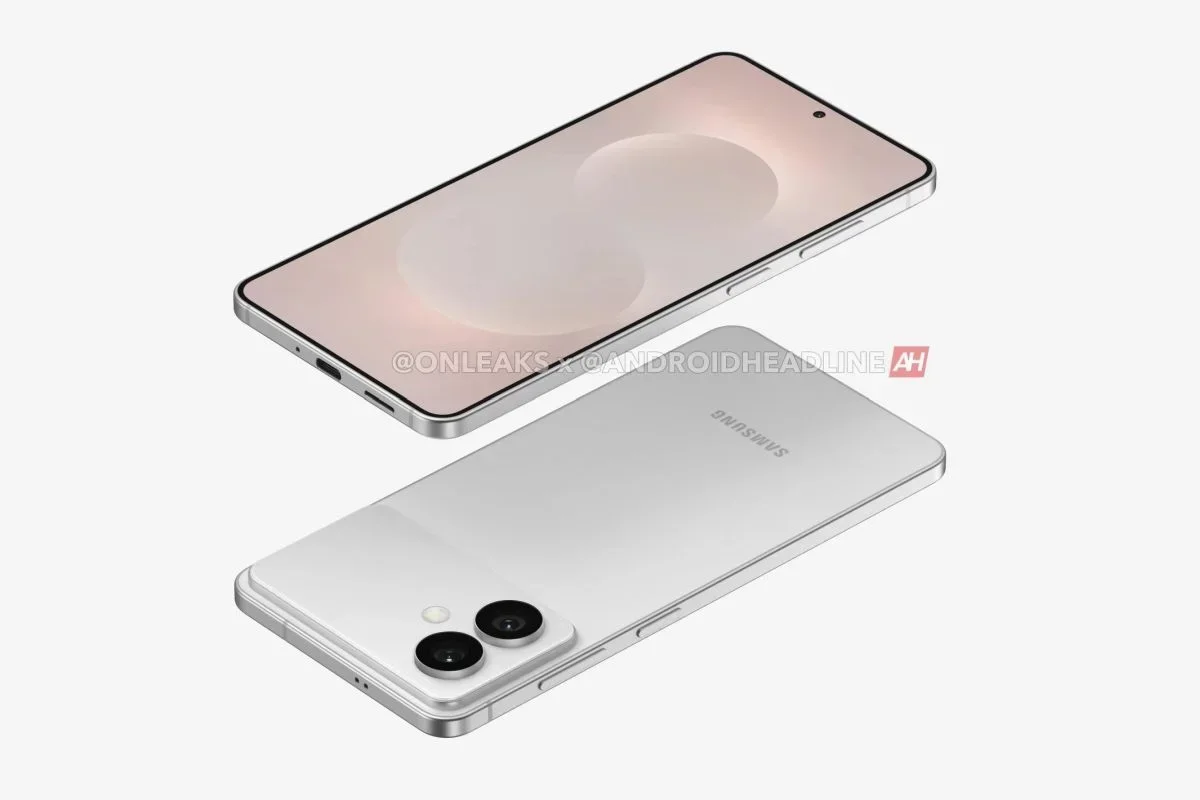
Samsung Galaxy S26 Edge vs iPhone Air: the thin-phone tightrope
Reports of the Galaxy S26 Edge’s demise have been greatly exaggerated, but the dilemma is real: if Samsung doubles down on ultra-slim design, critics will cry compromise; if it walks away, it cedes a headline to Apple. The S25 Edge proved the point in painful clarity. On paper it was a marvel – featherweight, knife-thin, and legitimately powerful – yet the public heard a different story: thin equals trade-offs. Meanwhile, Apple’s iPhone Air stepped into the same narrative space and, with smart framing and the gravity of its ecosystem, made “thin” feel like a lifestyle choice rather than a spec sheet risk.
What actually went wrong with the S25 Edge
The S25 Edge didn’t stumble on performance. It carried a top-tier chipset, abundant RAM, and a premier main camera lifted from Samsung’s crown jewel. Where it faltered was perception. Many shoppers read its 5.x-mm profile as a warning label for battery life and durability, even if their day-to-day would not have hit those limits. Apple’s iPhone Air, by contrast, wore the thinness like a fashion piece – pared back, yes, but presented as sufficiently capable for most people, and tightly wrapped in the reassuring blanket of iOS continuity, iMessage, AirDrop, and the App Store’s familiar guardrails. In short: Samsung released a technology triumph; Apple sold an identity.
What buyers told us (and why it matters)
Listener mail and reader feedback are blunt. Some users simply don’t get the thin-phone appeal. They find wafer devices harder to grip, worry about battery size, and see little value if their hands prefer the chunkier Ultra-class phones. Others aren’t anti-thin at all – they’re anti-uncertainty. They’ll happily trade a few millimeters for elegance if they’re convinced it won’t compromise longevity, thermal behavior, or camera reliability. A third theme: Apple’s mystique and ecosystem start the race a step ahead. If Samsung positions Edge as a “third wheel” between the standard and Ultra models, it risks feeling like a niche experiment rather than a clear choice.
Rumors point to a smarter S26 Edge
If the S26 Edge appears, the early whispers sketch a more balanced machine: a slimmer profile, potentially around 5.5 mm; a modestly larger 4,200 mAh battery to blunt anxiety; an upgraded 50 MP ultrawide to avoid the “one great lens” critique; and Qi2 magnetic wireless charging at up to 25 W to anchor a clean accessory story and desk experience. None of these specs alone changes minds; together, they form a narrative that design can be first class without making the basics feel second-class.
Design first, but message even harder
Samsung’s opportunity is less about shaving tenths of a millimeter and more about shaping expectations. If S26 Edge survives, it needs a marketing spine: the premium thin phone that doesn’t ask you to apologize. That means explicit, verifiable claims: all-day battery targets with repeatable testing windows; thermal language that shows how the chassis stays comfortable; durability framing (aluminum grade, glass treatment, flex and drop testing) that preempts the “bend meme.” Pair this with an Edge kit – a tidy ecosystem of magnetic chargers, stands, travel pucks, and car mounts – so buyers see thinness as convenience, not compromise.
Fix the ergonomics story
Thin phones can feel slippery. The S26 Edge should lean into hand feel: micro-texture on the frame, subtly raised camera housing that anchors the index finger, and an official ultra-light case that adds just enough contour without ruining the silhouette. Offer two grip personalities out of the box: a satin frame for tactility and a polished option for those who want the jewelry effect. If large-handed users think thin equals toy, let them try a sculpted, 8-gram bumper that maintains the airy weight but delivers wraparound confidence.
Battery expectations, recalibrated
Battery skepticism has haunted every slim phone. The antidote is transparency and recovery speed. Samsung should promise a clearly defined day – say, 6.5 hours mixed screen-on under specified profiles – and build the product around recovering from a heavy afternoon: fast wired top-ups, reliable 25 W Qi2 snaps, and unambiguous guidance in software. If you can grab 40% in a coffee stop, thinness stops sounding fragile and starts feeling agile.
Positioning: stop calling it the middle child
The Edge shouldn’t be “not Ultra.” It should be the premium traveler’s flagship: the device for people who value light bags, magnetic desks, and a camera that’s great without being monstrous. Price it with intention – slightly under Ultra, yes, but with one or two Edge-only flourishes (a distinctive finish, a travel charger in the box, concierge trade-in perks) that make it feel like a club, not a compromise.
If Samsung cancels, the reputational cost is real
Retreating now would look like conceding the narrative to the iPhone Air – thin design as an Apple-only domain. That stings not just because of one model, but because thin phones are the stage on which material science, thermal engineering, and battery management tell their most public story. Samsung has historically been bold here; pulling back after one soft cycle would read like capitulation.
If it ships, the Air 2 looms
Apple won’t abandon the Air. Expect a refined sequel and a steadier supply line. To counter, Samsung must make Edge a character with a purpose, not just a silhouette. Lean on features the ecosystem-agnostic crowd values: superior multitasking options, display tuning, camera versatility, and charging flexibility that plays nicely in both Android homes and mixed households. Make the case that Edge is the thin phone for people who don’t want their life dictated by a single walled garden.
Verdict: walk the wire – with intent
The S26 Edge’s mission isn’t to be the thinnest at any cost; it’s to be the least compromising thin flagship. Market the feel, prove the stamina, package the ecosystem, and stop apologizing for elegance. Do that, and Edge becomes a confident choice – not a curiosity that’s forever compared to a “lesser” device that won the storyline.
1 comment
If S26 Edge dies, it’s a PR own goal. Don’t let Air own ‘thin’ by default