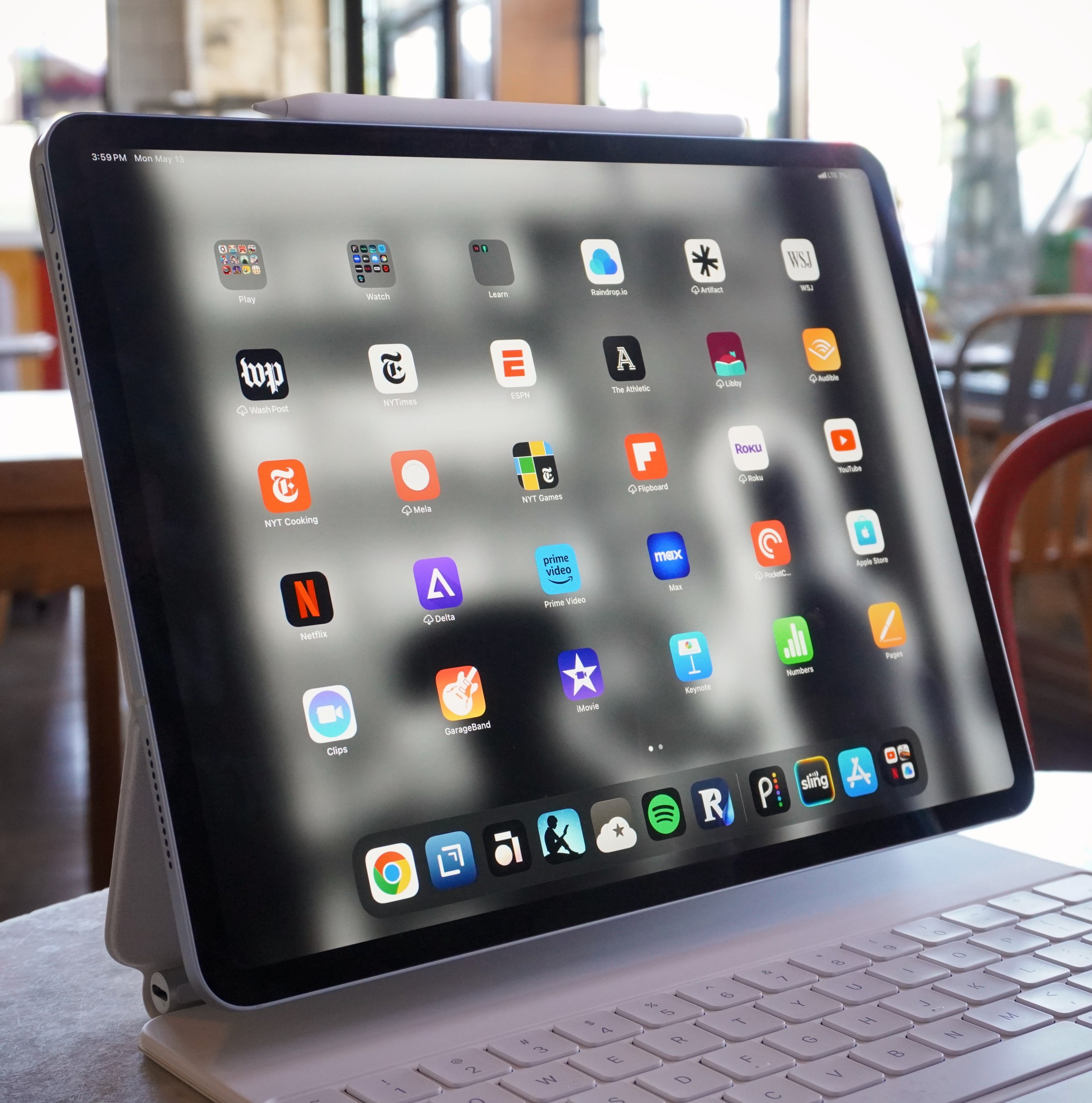
Apple’s Bold OLED Expansion: Brighter Screens, Sleeker Designs, and Higher Prices Ahead
Apple is once again preparing to redefine the look and feel of its MacBooks and iPads – and, predictably, it’s preparing consumers’ wallets for impact. According to new insider information from Bloomberg, Apple is testing OLED displays for upcoming versions of the MacBook Air, iPad Air, and iPad Mini. This marks another major step in Apple’s gradual move toward OLED across its product ecosystem, a transition that promises richer visuals and deeper contrast but at a noticeably higher cost.
OLED technology – which offers superior color reproduction, perfect blacks, and lower power consumption – has already become standard across Apple’s flagship devices such as the iPhone, Apple Watch, and iPad Pro. However, bringing OLED to the rest of Apple’s lineup represents a major production and pricing shift that will unfold over several years.
From LCD to OLED: The Next Wave of Apple Displays
Bloomberg’s report suggests Apple is meticulously planning a multi-year rollout. The MacBook Pro will likely be the first laptop in the company’s stable to adopt OLED, with a release window set for late 2026 or early 2027. This update will coincide with a complete redesign of the MacBook Pro and the introduction of Apple’s next-generation M6 chip. A MacBook Air featuring OLED technology is also reportedly in the works, though it isn’t expected to debut until around 2028. In the interim, a MacBook Air with the M5 chip is anticipated as early as spring 2026, alongside updated MacBook Pro models powered by the M5 Pro and M5 Max chips.
As usual, Apple’s product roadmap reflects its strategy of incremental innovation – refining its hardware in small, deliberate steps while positioning each leap as an industry-defining event. When OLED finally arrives on MacBook Air, it will represent years of behind-the-scenes calibration of supply chains and display technology.
The iPad Mini Leads the OLED Charge
Among Apple’s tablets, the iPad Mini appears to be first in line for an OLED transformation. Insiders suggest the next major iPad Mini revision – scheduled for 2026 – will not only feature an OLED display but also introduce an ambitious redesign. One of the most interesting elements is a new speaker system built around vibration-based sound output, which would eliminate the need for visible speaker holes entirely. This design aims to enhance water resistance while preserving the premium audio experience Apple is known for. It’s a distinct approach compared to the iPhone’s current gasket-protected speaker openings and could pave the way for a fully sealed iPad body.
The iPad Air, meanwhile, will see one final LCD-based generation in spring 2026 before making its own jump to OLED in a later release. For Apple’s mid-tier tablet, the shift will likely coincide with a visual refresh and upgraded internal architecture that keeps it competitive with rival Android tablets offering OLED panels, such as Samsung’s Galaxy Tab S11 series.
The Price of Brilliance
Better displays come at a cost, and Apple isn’t shy about passing that cost to the consumer. Analysts expect the iPad Mini’s OLED upgrade to increase its starting price by approximately $100. With the current A17 Pro-powered model starting at $499, the new OLED-equipped version could retail for around $599. The iPad Air’s OLED edition will likely follow the same pattern, potentially starting at $699 – neatly separating it from both the entry-level iPad and the high-end iPad Pro, which begins at $999.
This pricing strategy not only preserves Apple’s product hierarchy but also aligns with broader industry trends. OLED displays are already a hallmark of premium tablets from competitors like Samsung, but more affordable devices – including the Google Pixel Tablet and OnePlus Pad 3 – continue to rely on LCD panels to keep costs manageable. By keeping OLED exclusive to higher-end lines, Apple ensures both technological prestige and profit margins remain intact.
Is OLED Worth the Premium?
While OLED panels deliver undeniable visual excellence – deep blacks, high contrast, and vivid color reproduction – not every user will find the upgrade essential. For productivity-focused users who primarily work with documents, spreadsheets, or code, the difference might be barely noticeable. OLED’s true appeal shines in content consumption, from watching high-definition videos to gaming and digital illustration. For iPad users who lean toward entertainment or creative work, OLED could make the experience feel more cinematic and lifelike.
Still, even Apple enthusiasts admit that higher prices could be a tough pill to swallow. For casual users, especially those who simply want a reliable tablet for everyday browsing, the LCD iPads may remain the smarter buy. However, Apple’s consistent push toward OLED will likely make the technology the new standard over the next few years, gradually phasing out LCD panels entirely.
Whether or not it’s worth it depends on your priorities. For those who crave the best display Apple can deliver, OLED will be irresistible. For everyone else, it’s just another reminder that Apple’s quest for perfection often comes with a premium attached – one you’ll likely pay without hesitation when those screens finally hit store shelves.
2 comments
iPads with no speaker holes sounds wild ngl
apple fans gonna defend this price rise again