In a move that could reshape mobile development, Apple’s Swift programming language is now officially expanding beyond its native ecosystem. Thanks to the newly launched Swift SDK for Android, developers can finally create Android apps using Swift and even share core code with their iOS counterparts. This step, led by the independent Android Workgroup within the Swift open-source community, marks a new era of cross-platform development, reducing long-standing barriers between the two dominant mobile ecosystems.
For years, Swift has been Apple’s flagship language – clean, fast, and designed for safety and performance. 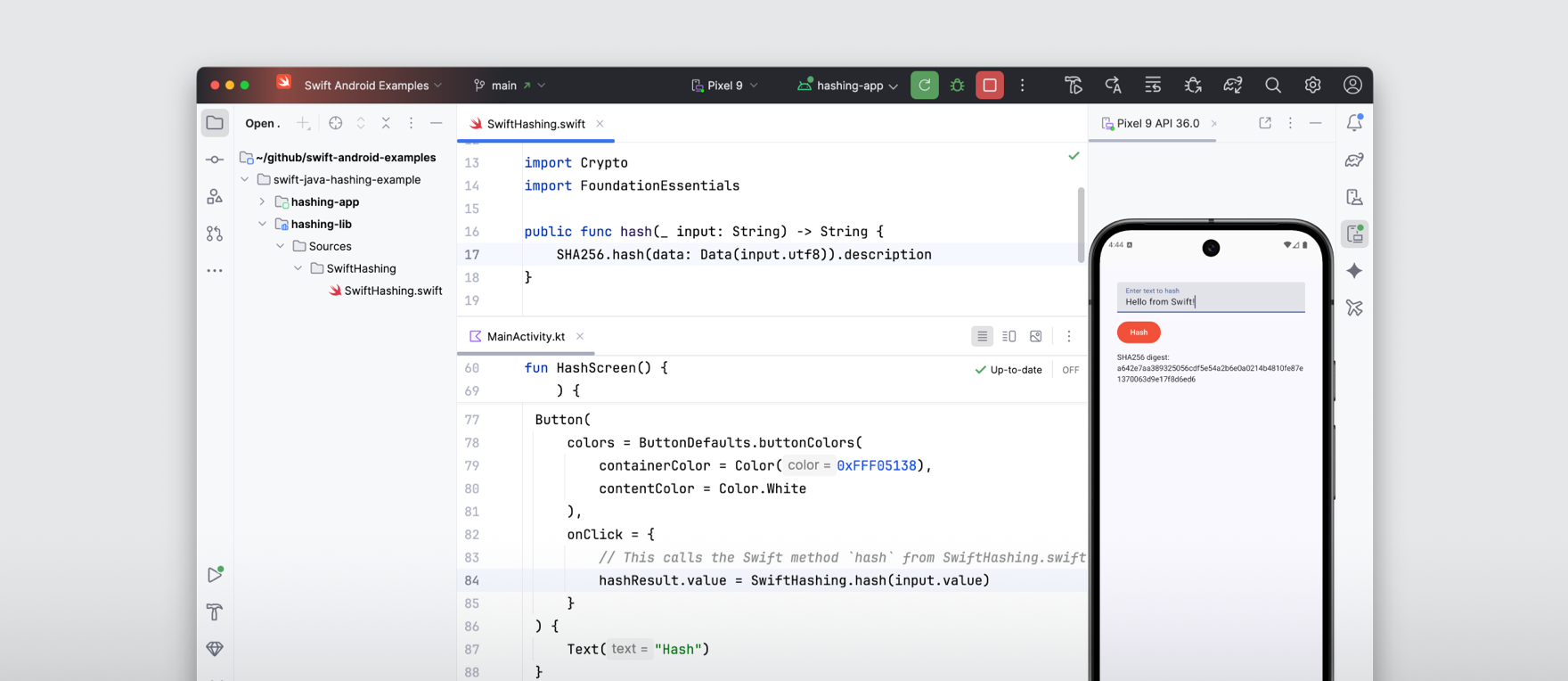
Yet it was confined to Apple’s platforms: iOS, macOS, watchOS, and tvOS. Now, that exclusivity is starting to fade. The introduction of the official SDK means developers no longer need experimental wrappers or community hacks to get Swift running on Android. Instead, they can build and deploy native Android apps using Swift directly, relying on officially supported tools and documentation.
Joannis Orlandos, Chair of the Android Workgroup, confirmed in October 2025 that this release represents a “major milestone” for the open-source Swift project. Alongside the SDK, the group has rolled out a comprehensive starter guide and several example projects on GitHub, making it easier than ever for developers to get started. The documentation also includes integration tips for existing Android projects, ensuring that even hybrid apps can adopt Swift incrementally rather than starting from scratch.
For developers, the implications are massive. Cross-platform development has always been a holy grail – the dream of writing once and deploying everywhere. With the Swift SDK for Android, the possibility of true shared logic between iOS and Android becomes more realistic. Developers can reuse their business logic, network layers, and even parts of their UI logic, focusing platform-specific efforts only where necessary. This could significantly cut development time and costs, especially for indie teams or small startups that traditionally lacked the resources to maintain two separate codebases.
For everyday users, the impact might not be immediately visible, but the long-term effects could be profound. The move may encourage more developers to bring iOS-exclusive apps to Android, a market often left behind for convenience or budget reasons. However, experts caution that it’s still early days. Porting a complex iOS app to Android will not yet be a one-click process, and it could take time before tools, compilers, and libraries mature enough to make development seamless.
In comparison, Kotlin Multiplatform remains the more established solution for cross-platform mobile development. Kotlin allows developers to share logic while still relying on native tools for UI and platform features. Swift’s arrival doesn’t displace Kotlin’s lead, but it introduces healthy competition and diversity, pushing both ecosystems forward.
Even if the Swift SDK doesn’t revolutionize the industry overnight, it symbolizes something bigger: Apple’s ecosystem becoming a little less walled. Many developers have long wished for such freedom, and while these are still baby steps, they’re significant ones. If small developers can soon port iOS apps more easily, Android users might finally get access to creative indie apps previously locked to Apple’s platform – a win for both sides of the divide.
Of course, optimism is tempered by the usual caveats. Android’s app stores, unlike Apple’s tightly curated App Store, already face quality control challenges. The hope is that the SDK’s accessibility won’t lead to a flood of low-quality clones and ad-infested apps. Still, progress is progress – and if done right, this could mark a historic convergence in mobile software development.
1 comment
hope this doesn’t end up another half-baked SDK that nobody uses 😬