In one of the most intriguing turns in the AI industry, Microsoft has stepped back from influencing OpenAI’s long-rumored consumer hardware project – a device that insiders are already calling the “Apple iPhone killer.” This decision not only reshapes the relationship between two of tech’s most powerful allies but also hints at a seismic shift in the consumer technology landscape. With legendary designer Jony Ive at the helm of design and a growing team of ex-Apple engineers, OpenAI seems determined to redefine what personal technology means in an age dominated by artificial intelligence.
For months, reports have hinted that OpenAI was building something beyond software – a piece of hardware that could merge context awareness, voice interaction, and personal AI assistance into a single, seamless experience. 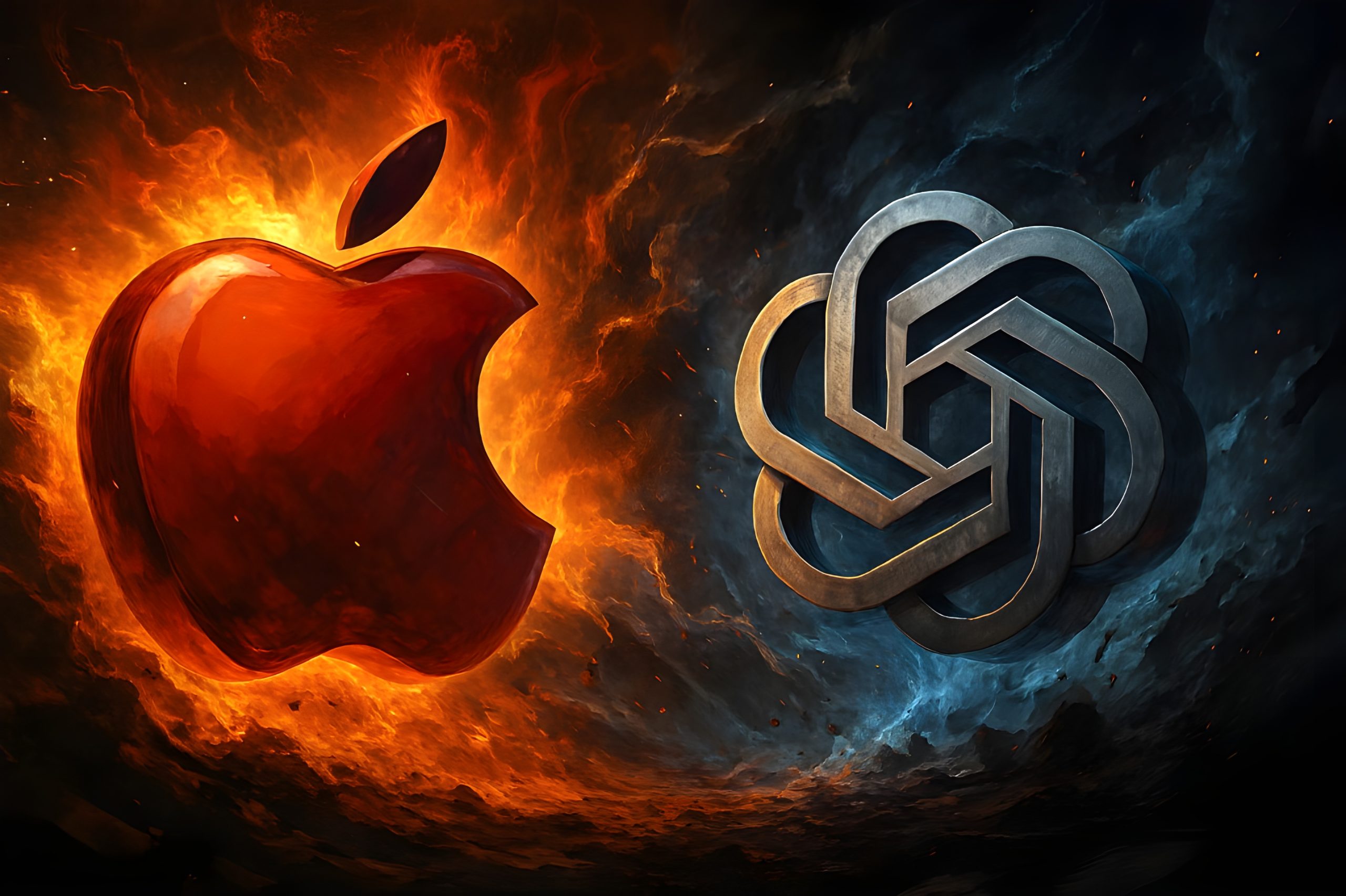
The company’s acquisition of Ive’s AI-focused startup, io, for $6.4 billion in May 2025 was the first solid sign of that ambition. Now, after Microsoft and OpenAI redefined their partnership, the path ahead for this mysterious device has become much clearer – and more independent.
Under the new agreement, OpenAI will operate with greater freedom. The company’s pursuit of Artificial General Intelligence (AGI) will now be monitored by an independent panel of experts, ensuring transparency and oversight. Microsoft retains certain intellectual property rights over OpenAI’s technologies and continues to profit from their shared ventures until AGI is officially achieved. However, crucially, Microsoft’s IP rights will no longer extend to OpenAI’s consumer hardware – effectively cutting the tech giant out of the upcoming AI device ecosystem.
Microsoft’s withdrawal marks a decisive moment. The company will still supply $250 billion worth of Azure compute resources to OpenAI but will have no veto power over how the hardware evolves. This separation allows OpenAI to explore partnerships beyond Microsoft – potentially collaborating with consumer electronics firms or even telecoms eager to get ahead of what could be the next big tech wave after smartphones.
According to insiders, the upcoming OpenAI device will not resemble traditional phones or wearables. Instead, it’s expected to be a compact, screenless gadget – a kind of AI companion capable of understanding context through cameras and microphones while processing personalized models locally. When heavy computation is needed, it will connect to the cloud for support. The device will be able to communicate with others like modern smartphones do, but without the distraction of screens – a concept that resonates with Ive’s minimalist design philosophy and OpenAI’s mission to humanize technology.
To accelerate development, OpenAI has recruited roughly two dozen former Apple employees, including design veterans Matt Theobald and Cyrus Daniel Irani. Their experience in industrial design and human interface engineering suggests that this project is far from a prototype – it’s a serious attempt to reinvent the personal tech experience. If successful, it could disrupt the smartphone market just as the iPhone did in 2007 – only this time, Apple might find itself on the defensive.
For now, OpenAI’s silence about the exact form and function of its device only fuels speculation. But one thing is clear: Microsoft’s decision to step aside signals confidence in OpenAI’s direction – or perhaps recognition that this new wave of AI-native devices belongs entirely to a different era.
2 comments
Finally something fresh! Sick of the same old smartphone designs
Hope it’s not another expensive tech toy that nobody needs