Apple’s latest experiment, the iPhone Air, is already shaping up to be one of the company’s most puzzling moves in recent years. When Apple decided to replace the underperforming Plus models with this new, ultra-slim Air lineup, the hope was clear: to breathe new life into the mid-tier iPhone segment and capture a slice of the audience that wanted something sleeker but not as expensive as the Pro. 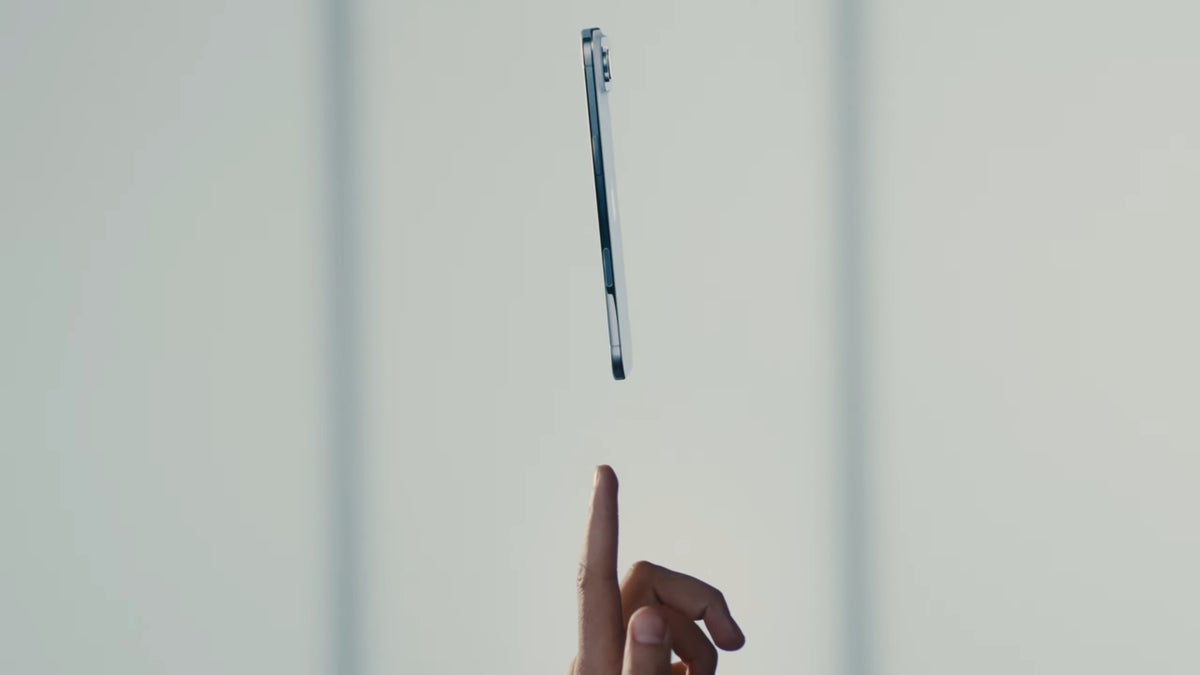
Unfortunately, that plan isn’t going as expected.
According to reports from reliable supply chain insiders, the iPhone Air has not managed to surpass the sales figures of the Plus series it replaced. In fact, Apple has already slashed production significantly just months after launch. Early adopters were split – some users praised the lightweight build and elegant design, while others quickly returned the device, citing lackluster battery life and an underwhelming camera setup. Many concluded that if you’re already paying close to flagship prices, you might as well go all in for the iPhone 17 Pro.
This situation echoes what recently happened over at Samsung. The Korean tech giant discontinued the Galaxy S26 Edge less than a year after its debut, retreating back to the safer Plus series after disappointing sales. Some say Samsung’s move was reactionary, while others believe it was simply practical. Either way, it’s a reminder that innovation without strong market demand can backfire fast – and Apple might now be facing the same dilemma.
Will Apple abandon the Air as quickly as Samsung dropped the Edge? That’s the big question. Historically, Apple has given new ideas a few years to mature before making a final judgment – think of the iPhone mini or even the original Plus line. The company rarely pulls the plug too soon, especially if the product fits a long-term design vision. Insiders suggest that Apple still views the Air as a bridge to the future, aiming to make it the new default iPhone tier – thinner, lighter, and eventually powered by next-generation silicon battery technology.
And that’s where things could change dramatically. Slim phones like the Air aren’t doomed – they’re just ahead of their time. If Apple can adopt the same kind of silicon-based batteries already appearing in advanced Chinese smartphones, it could finally solve the Air’s biggest weakness: endurance. A thinner device with all-day battery life would be a genuine breakthrough, not a gimmick.
Critics argue that both Apple and Samsung have overcomplicated their lineups. Many fans point out that having too many variants – base, Plus, Air, Pro, Pro Max – only confuses consumers and fragments sales. What most people really want is simplicity: a solid base model and a high-end Pro version, perhaps in two sizes. That’s it. Anything in between feels redundant. The Air and Edge, in that sense, were attempts to test consumer curiosity, but not necessarily real demand.
Still, I wouldn’t write off the iPhone Air just yet. The concept of a slim yet capable phone resonates with many users – they just need the performance to match the design. Once the technology catches up, Apple’s Air experiment could evolve into something far more influential than today’s lukewarm sales suggest. For now, though, the Air stands as a reminder that even Apple can miss the mark when trying to reinvent the middle ground.