The iPhone Air was supposed to mark a new chapter in Apple’s design philosophy – an ultra-slim, featherweight iPhone that balanced elegance with everyday practicality. But less than a year after its launch, the story is taking an unexpected turn. Recent reports from Korea and now the respected analyst Ming-Chi Kuo indicate that Apple is scaling back production of the iPhone Air, suggesting that demand has been weaker than expected. 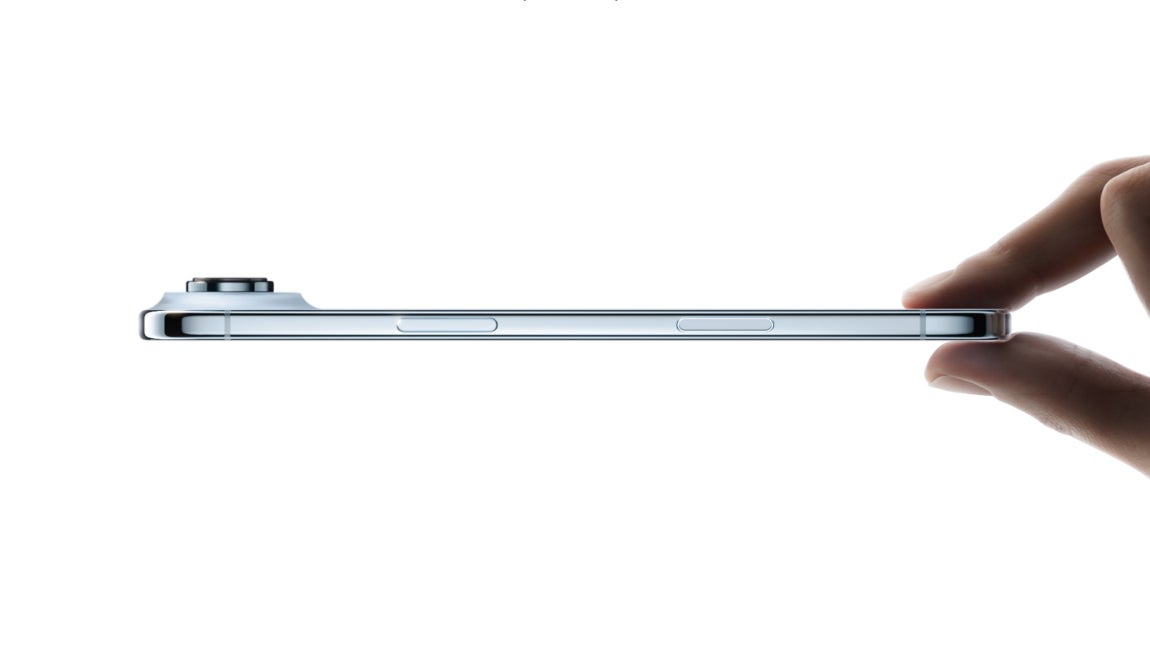
What was meant to be the minimalist icon of Apple’s 2025 lineup may already be heading for an early exit.
Kuo’s latest analysis aligns with supply chain whispers: suppliers are reportedly slashing production capacity for the iPhone Air by over 80% heading into the first quarter of 2026. Components with longer production lead times are expected to be phased out entirely by the end of 2025. While some Apple watchers initially dismissed these rumors as cyclical adjustments, Kuo’s involvement lends credibility. Historically, when Kuo speaks, the market listens.
But why would Apple’s slimmest iPhone struggle so quickly? The answer might be sitting right next to it on store shelves: the iPhone 17 Pro. According to Kuo, Apple’s Pro lineup has become so dominant in the high-end smartphone space that it leaves little oxygen for experimental mid-premium devices like the Air. The Pro and base models already satisfy most user segments – from professionals seeking performance to casual users chasing status – leaving the Air without a clear audience. It’s the same pattern that doomed previous experiments like the iPhone mini and now threatens the Plus variant. In Kuo’s words, the Air has been ‘out-Pro’d’ by the Pros.
Apple’s production strategy seems to reflect this shift. Reports suggest the company is increasing output of the iPhone 17 series overall while quietly scaling down orders for the Air. This is not just about sales numbers – it’s a strategic correction. If Pro models are commanding both attention and revenue, Apple will naturally prioritize them in its manufacturing pipeline. It’s a sign that even the world’s most valuable company is not immune to market feedback.
Interestingly, the iPhone Air’s struggles aren’t isolated. Samsung’s rumored Galaxy S26 Edge has reportedly been shelved following weak performance of the S25 Edge. The parallel suggests that the smartphone market might be turning away from ultra-slim or niche form factors in favor of solid, performance-heavy designs. In an era when flagship phones double as productivity tools and content creation hubs, aesthetic minimalism may no longer be enough to attract premium buyers.
However, calling the iPhone Air a flop might be premature. While Western markets have shown lukewarm interest, there’s growing evidence that the device is performing significantly better in China. The Chinese consumer base, known for embracing design experimentation and tech novelty, seems more willing to give the Air a chance. Some local resellers have even noted short-term shortages in specific regions, a stark contrast to the slower Western reception. This regional imbalance hints that the Air’s problem might be perception rather than product.
In many ways, the iPhone Air’s identity crisis stems from its positioning. Instead of being seen as a truly premium reinvention, it’s often perceived as a slightly larger, thinner version of the standard iPhone – too close in look and feel to justify its higher price. Apple may have overestimated how much consumers value thinness compared to camera performance, battery life, and durability. The result? A beautifully engineered phone that feels conceptually misplaced.
Still, dismissing the iPhone Air entirely would be shortsighted. Apple has a long history of course-correcting its product strategies. The original iPad Mini was once considered redundant, yet it found its audience over time. The same could happen here if Apple adjusts pricing or introduces feature differentiation. After all, the Air’s design remains one of the most visually striking iPhones in years – its edge-to-edge profile and refined materials make it a pleasure to hold. For some, beauty alone might be reason enough to buy.
In the end, the iPhone Air may not be dying – it’s just searching for its place. Whether Apple decides to reposition it, refine it, or quietly retire it, the Air’s brief journey serves as a reminder that even in Cupertino, innovation must coexist with consumer reality. The Pro models might have stolen the spotlight, but for those who appreciate lightness and simplicity, the Air’s story isn’t quite over yet.