Google is quietly experimenting with a smarter, more energy-efficient version of its Always-on Display (AOD) feature for Pixel phones, potentially marking one of the biggest quality-of-life updates for users who value both convenience and battery life. 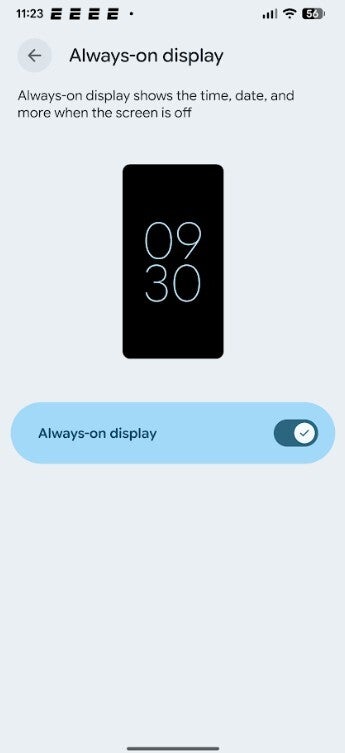
This experimental function, discovered in the latest Android Canary build, aims to give Pixel users dynamic control over when the AOD activates – something that has long been missing from Google’s otherwise premium smartphone lineup.
Since the debut of the Pixel 2 and Pixel 2 XL in 2017, the Always-on Display has become a defining feature of Google’s devices. It provides quick access to essential information such as the time, date, battery percentage, and notification icons, all without needing to unlock the phone. While useful, this feature has always had one notable drawback: continuous power drain. Even though AOD panels use OLED technology to minimize energy usage, displaying pixels 24/7 inevitably consumes extra battery, especially noticeable on smaller-capacity Pixel devices.
To address this issue, some competing manufacturers like Samsung and OnePlus have long allowed users to schedule their Always-on Displays. These scheduling options let users decide when the display should activate, for example during waking hours or while the device is charging, helping extend battery life significantly. In contrast, Google’s AOD remained a one-size-fits-all setting – either on or off, with no intelligent scheduling. That might soon change.
Code recently uncovered within the Android Canary channel (the most experimental version of Android updates) suggests that Google is testing a feature that automatically disables the AOD when it detects no user activity. In simpler terms, if your phone sits idle for an extended period – say, resting on a desk or tucked inside your pocket – the display may power down to conserve energy. The system would then wake the AOD again once movement or interaction resumes. Android Authority discovered references to this function hidden inside the Settings app, describing conditions under which the AOD powers down due to inactivity.
Android Canary serves as the first public phase of testing before features reach Developer Previews or Beta builds, making this discovery particularly exciting for Pixel enthusiasts. It’s not yet clear how the system will define “inactivity,” but Google could follow Samsung’s “Auto AOD” approach, which deactivates the display if the device remains in a pocket for several minutes or detects that the user has gone to sleep.
Currently, Pixel users can only toggle the feature manually through Settings > Display > Lock screen > Always-on display. This automation would eliminate that manual hassle entirely, adjusting display behavior intelligently based on real-world usage. And if Google maintains its tradition of backporting software improvements, older Pixels like the Pixel 6 Pro or Pixel 7 might also receive the upgrade after it debuts on newer models such as the Pixel 9 series.
Battery efficiency is a growing priority as smartphones evolve. This AOD enhancement reflects Google’s continued effort to balance helpfulness with longevity – allowing users to enjoy real-time glanceable info without sacrificing valuable battery power. While we’ll have to wait for an official rollout, this innovation could signal the beginning of more adaptive, context-aware display management across Android devices.