Can Google trust its most dedicated fans to keep a secret? Apparently, yes. The tech giant has decided to take an uncharacteristically open approach to one of its most tightly controlled product lines – the Pixel phones. 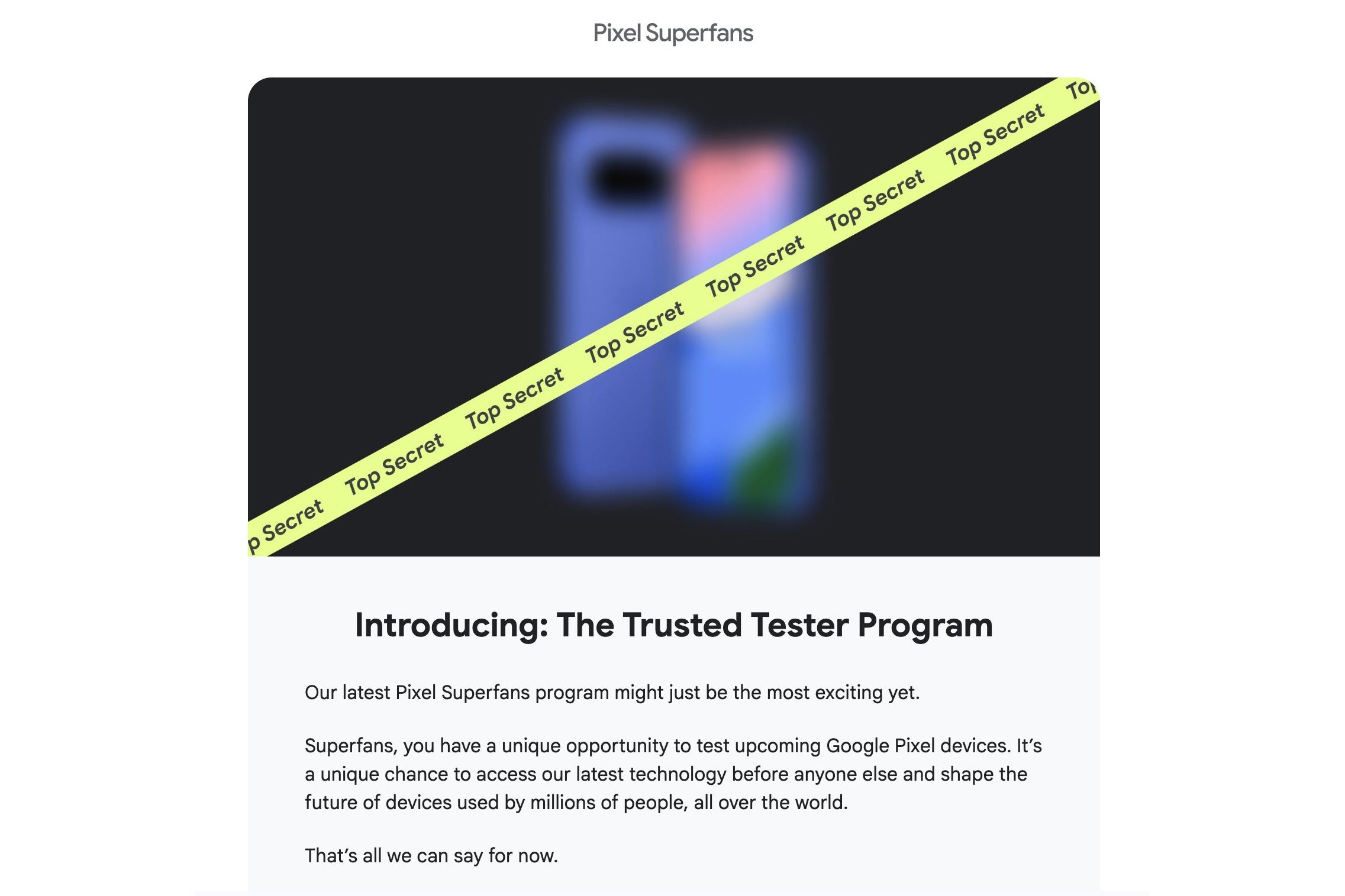
In a surprising twist, Google is inviting a small circle of hand-picked ‘Superfans’ to test an unreleased Pixel device before the rest of the world even catches a glimpse. This initiative, dubbed the ‘Trusted Tester Program,’ is not only bold but also marks a seismic shift in how Google manages its pre-launch strategies.
According to Bloomberg, only 15 fans will be chosen to participate, and their selection won’t just depend on luck. These testers are being evaluated for their deep enthusiasm and ongoing engagement with the Pixel brand. Once selected, they’ll sign a strict non-disclosure agreement (NDA) and receive Google-provided ‘protective cases’ to literally hide the phone’s identity while they use it. The company is even telling them how to disguise their top-secret gadget in plain sight – a move that’s both meticulous and slightly humorous. Still, the goal is serious: gather authentic, fan-driven feedback while minimizing leaks.
This approach is radically different from what we’ve come to expect in the smartphone world. Take Apple, for example, where leaks are treated like corporate espionage. Apple’s culture of secrecy is legendary; a single misplaced iPhone prototype once triggered a global media storm. Apple relies exclusively on internal testing and a few select partners, never handing unreleased products to random enthusiasts. Google, by contrast, seems to be rewriting the playbook – perhaps because their traditional methods haven’t worked. The company’s hardware history is riddled with leaks so severe that entire devices have appeared online months ahead of launch. Instead of fighting that trend, Google appears to be embracing it in a controlled, calculated way.
The timing of this move adds another layer of intrigue. Google’s Pixel 10 barely differed from its predecessor, and many fans complained of stagnation in the brand’s design identity. Ivy Ross, Google’s head of hardware design, hinted earlier this year that the company aims to redefine its aesthetic every few product cycles. If this test group is indeed handling a prototype for the Pixel 11 – or even the Pixel 12 – it could signal a major overhaul of both hardware and design philosophy. That alone makes this test program much more than a quirky experiment; it might be a glimpse into the next generation of Google hardware thinking.
Of course, the risks are immense. Fifteen devoted fans or not, leaks are inevitable in today’s internet culture. Even with NDAs and disguised devices, all it takes is one careless post or blurry photo for the internet to explode. For Google, this could become another PR disaster in a long line of leak embarrassments. On the other hand, if managed well, this could completely reshape the relationship between the company and its community. It’s an acknowledgment that Google’s fans are not just consumers – they’re contributors. By giving them early access, the company is betting on loyalty and passion over strict secrecy.
In the end, this is either a masterstroke of transparency or an open invitation to chaos. But one thing’s certain: Google is tired of pretending it can keep its secrets forever. Instead, it’s turning potential liabilities – like leaks and fan speculation – into tools for engagement and feedback. If the experiment works, we may see Google transform from a perpetually leaky OEM into one that controls its own leaks strategically. The Trusted Tester Program could be the beginning of a new era for Pixel fans and the tech industry’s approach to pre-launch testing.
And speaking of the future, rumors are already swirling that the Pixel 11 could mark another major shift under the hood. Reports suggest that Google may once again part ways with Samsung’s chipsets and collaborate with MediaTek instead. Combined with hints of the return of advanced face unlock technology from the Pixel 4, the next Pixel might not just look different – it could feel like the reinvention fans have been waiting for.