Buying used high-end CPUs has always been a gamble, and YouTuber Iceberg Tech just reminded everyone why. In a recent experiment, he decided to test his luck with a pre-owned Intel Core i9-13900K, part of the controversial Raptor Lake lineup, paying €240 for what was once a €550 flagship chip. On paper, it looked like a smart deal – same performance, half the price – but what followed turned into a frustrating lesson about the hidden risks of Intel’s 13th and 14th Gen instability issues.
Intel’s Raptor Lake processors were initially celebrated for their raw power and hybrid architecture, mixing high-performance P-cores and efficient E-cores. 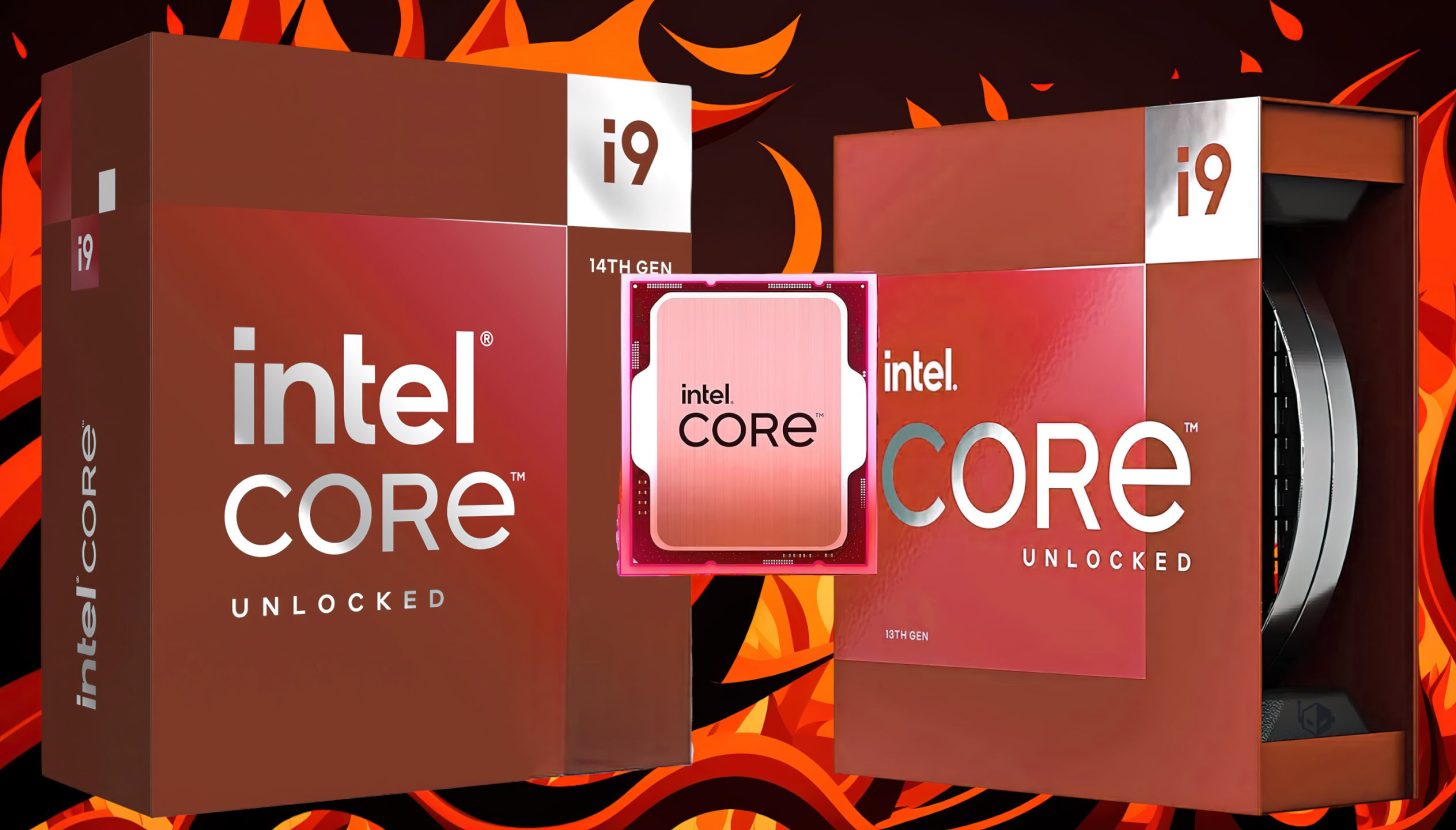
Yet, over time, reports of erratic voltage behavior, random crashes, and thermal instability began surfacing, especially toward the end of 2024. Intel even launched large-scale RMA programs to address affected CPUs, but many users remained stuck with unpredictable chips that failed under load. The problem became so widespread that even enthusiasts started joking that Raptor Lake should ship with a fire extinguisher instead of a cooler.
Iceberg Tech’s adventure began when he spotted a ‘bargain’ 13900K at CeX, a British retailer known for second-hand electronics. The CPU appeared fine, but within minutes of running benchmarks via CPU-Z, his screen went black – the dreaded ‘Black Screen of Death,’ a symptom familiar to those who’ve experienced Raptor Lake’s voltage irregularities. He tried everything: BIOS tweaks, power limit adjustments, and thermal throttling settings. None of it helped. Each attempt ended with system freezes or restarts, confirming that the instability wasn’t just a rumor – it was built into the silicon itself.
For years, Intel’s 13th and 14th Gen CPUs have walked a thin line between brilliance and disaster. While they deliver stellar single-core performance, their degradation over time and erratic voltage handling have made them risky, especially on the second-hand market. Even brand-new Raptor Lake chips have occasionally shown oxidation signs or micro-damage near contact pads, suggesting deeper manufacturing or voltage calibration issues. For Iceberg Tech, the takeaway was clear: saving €300 wasn’t worth the stress of endless troubleshooting.
Many enthusiasts echoed the sentiment online. Some pointed out that tuning could have helped, others mocked the idea of buying used Intel chips altogether. The consensus? Purchasing a used Raptor Lake CPU today is like playing silicon roulette – you might get a gem, but you’re just as likely to end up with a ticking time bomb. Meanwhile, Intel’s follow-up, Arrow Lake, hasn’t done much to restore user faith, leaving even loyal Team Blue fans cautiously looking toward AMD for stability and longevity. Iceberg’s experiment wasn’t just a test of one CPU – it was a reflection of a larger trust crisis Intel is still trying to fix.