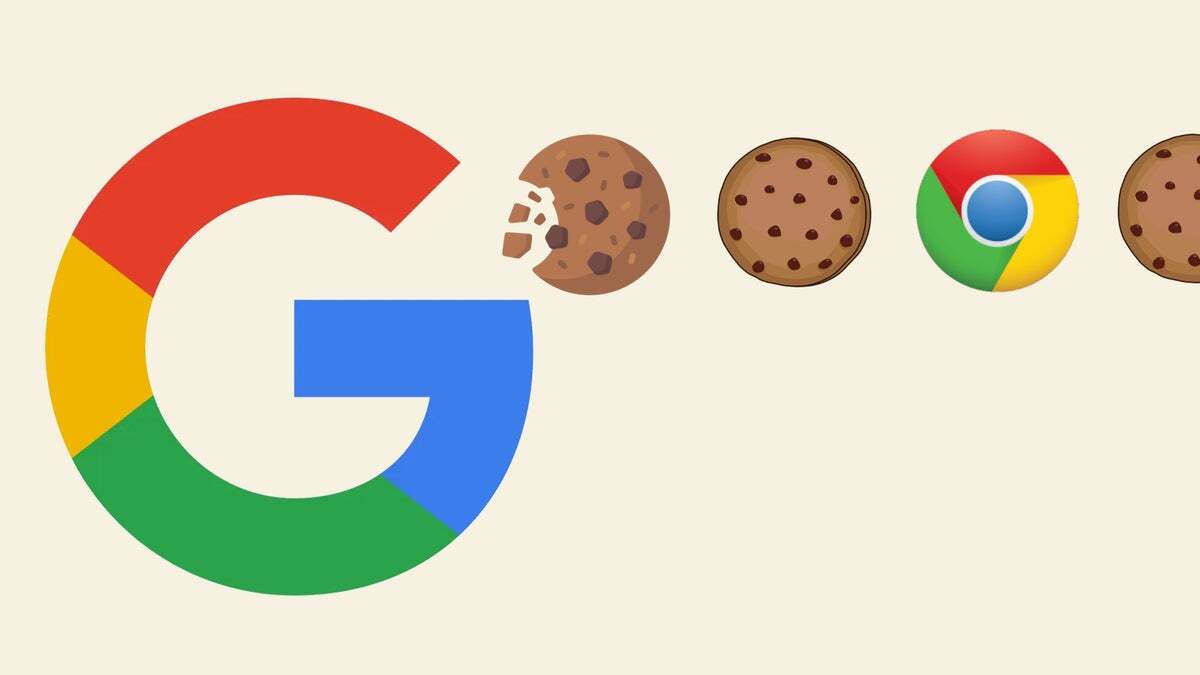
Apple Sounds the Alarm: Why Google Chrome’s Cookie Comeback Raises Big Privacy Concerns
After years of promising a more private web experience, Google has quietly buried its grand privacy experiment – the Privacy Sandbox – and is bringing back the one thing it swore to kill: cookies. The decision has drawn sharp criticism, especially from Apple, which has renewed its warning to iPhone users against using Google Chrome for browsing, citing serious security and data-tracking concerns.
Apple’s stance on privacy is nothing new, but the timing couldn’t be more pointed. In 2024, the company ran a striking commercial where flocks of camera-headed birds symbolized online trackers following people everywhere. In the ad, the birds explode when they attempt to spy on Safari users – a theatrical way of saying Apple’s browser gives users better protection than Chrome or other rivals. The new warning reinforces the same message: Chrome may be fast, but it’s not the guardian of privacy that Google once claimed it would become.
The Cookie Resurrection: Google’s Big Reversal
For years, Google had been walking a delicate line. In early 2024, it announced that Chrome would finally phase out third-party cookies – the small bits of data that allow advertisers to track users’ browsing behavior across sites. In place of these invasive trackers, Google proposed the Privacy Sandbox, a suite of technologies that would keep ad targeting relevant without compromising privacy. The system aimed to move data processing to users’ devices, letting advertisers learn what people were interested in without directly identifying them.
It sounded like a win-win: a more private internet where users could still see personalized ads, and Google could maintain its multibillion-dollar advertising empire. Yet, despite heavy investment and years of development since 2019, the Sandbox failed to gain traction. Developers found the tools confusing, advertisers saw limited benefits, and regulators were skeptical. Finally, after six years of trying, Google decided to shut the entire project down – admitting that the privacy technologies were not delivering enough value or adoption to justify continuing.
Apple and Microsoft Swoop In
Apple and Microsoft wasted no time capitalizing on Google’s stumble. Microsoft has been nudging Windows users toward its own Edge browser for years, reminding them that it’s built on the same Chromium engine as Chrome but with “the added trust of Microsoft.” Apple, meanwhile, doubled down on its privacy-first marketing, positioning Safari as the gold standard for protecting personal data.
Despite these attacks, Chrome remains the world’s dominant browser, with over 3 billion users and a market share above 70% across desktop and mobile. Even with the return of third-party cookies, that number isn’t expected to drop significantly – although new challengers are emerging. AI-powered browsers such as Perplexity’s Comet and the upcoming OpenAI browser could chip away at Chrome’s dominance by offering smarter, privacy-centric experiences that align with the modern user’s expectations.
Why the Privacy Sandbox Failed
The Privacy Sandbox introduced a variety of APIs (Application Programming Interfaces) meant to handle functions like ad attribution, user segmentation, and device-level personalization – all without leaking individual identities. Among the key components were the Protected Audience API, Topics API, and IP Protection. However, adoption remained weak. Advertisers, developers, and privacy advocates struggled to find common ground. In short, the Sandbox tried to please everyone – and ended up pleasing no one.
In an official statement, a Google spokesperson confirmed that the company would continue to improve privacy across Chrome, Android, and the web, but without the Sandbox branding. “We’re grateful to everyone who contributed to this initiative and will continue to collaborate with the industry to develop technologies that help support a healthy and thriving web,” the spokesperson said. Behind the polished statement, however, lies a hard truth: the tech industry is still far from finding a universal solution for balancing privacy and profit.
The Privacy Paradox: What’s Next for Chrome?
Google’s decision signals a return to a familiar, if controversial, reality: personalized advertising driven by user tracking. While users have grown more aware of digital surveillance, targeted ads remain incredibly profitable, and Google’s core business still depends on them. The company is now refocusing on refining its advertising technologies instead of reinventing them. Still, this move raises a troubling question – is true online privacy even possible within an ad-driven ecosystem?
For privacy-conscious users, Safari, Firefox, and even newer AI browsers may become more appealing alternatives. But for billions who simply use Chrome out of habit or convenience, this shift will likely go unnoticed. The web may look the same – but behind the scenes, the Cookie Monster is back, hungrier than ever.
As Google steps away from its biggest privacy bet, the broader industry watches closely. The end of the Privacy Sandbox isn’t just a Google story; it’s a reflection of the internet’s ongoing identity crisis – torn between personalization and privacy, profit and protection. And for now, it seems that the trackers have won another round.
2 comments
I switched to Safari last year, best decision tbh
AI browsers sound cool but prob full of ads too