As WhatsApp continues to be one of the most popular messaging platforms, it’s also become a prime target for spammers who exploit the app’s open communication channels. Anyone who spends significant time on WhatsApp is likely familiar with the flood of unwanted messages that often land in their inbox. Whether it’s businesses trying to push ads or malicious spammers attempting to gain access to personal information, it’s a growing problem. 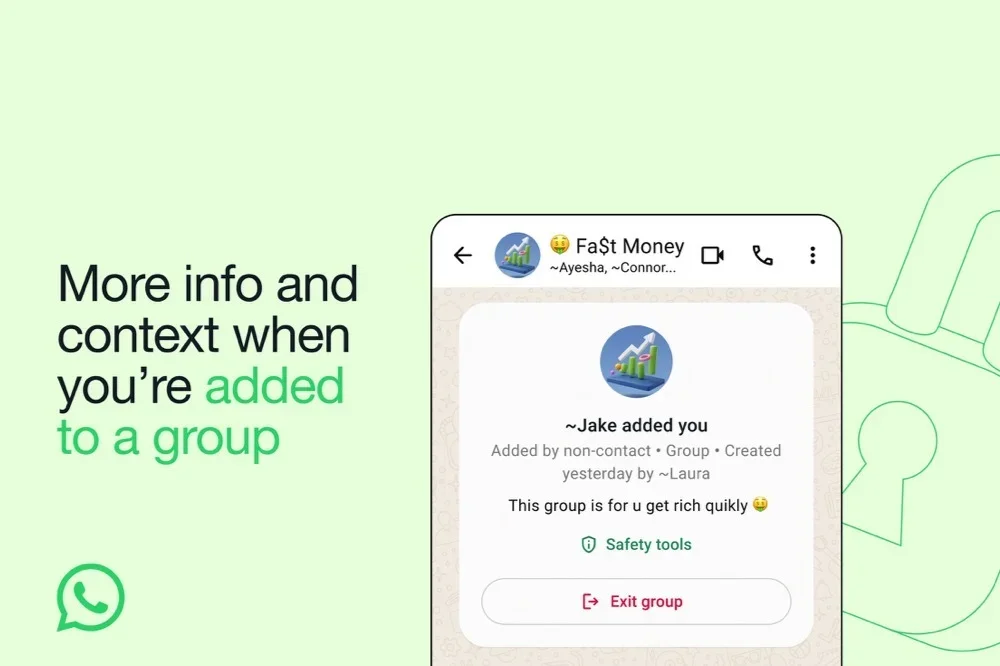
Meta, the parent company of WhatsApp, is now taking steps to curb this issue by introducing new restrictions aimed at limiting how many unsolicited messages can be sent to users without receiving a response.
The new measure involves placing a cap on the number of messages that users, including businesses, can send to unknown contacts before receiving a reply. Essentially, once an unknown recipient starts ignoring or not responding to a certain number of messages, the sender will be blocked from sending additional messages until the situation is rectified. This system works by monitoring how many messages go unanswered and enforcing limits once the threshold is met.
Meta’s approach is simple yet effective. Instead of relying on complex algorithms to sift through spam, they’ve decided to implement a direct, user-friendly system. Each message sent on WhatsApp counts toward a monthly quota. If a message goes unanswered, it contributes to this quota. The goal is to prevent spammers from bombarding users with an endless stream of unsolicited messages without any meaningful interaction.
At this stage, Meta has not disclosed the exact number of messages allowed before the limits are reached, as they’re still testing different parameters. According to TechCrunch, these new restrictions will be rolled out in phases and tested in various countries over the coming weeks. This global testing phase will allow Meta to gauge how effective the system is and fine-tune it before making it widely available to all users.
When users approach this limit, WhatsApp will notify them with a pop-up warning. The notification will inform users of how many more messages they can send before reaching the cap. This proactive warning aims to prevent users from unknowingly hitting the block and having their ability to message restricted.
So, will this new limitation affect everyday WhatsApp users? According to Meta, the impact on regular users will be minimal. The limits are designed to target actual spammers, not casual or legitimate users. Most people don’t send enough messages to unknown contacts to reach the limit. So unless you’re sending out massive volumes of unsolicited messages to a broad range of people, you likely won’t encounter any issues.
This is not the first time WhatsApp has introduced features to combat spam. In the past, they’ve rolled out tools such as easier ways to exit unwanted group chats, the ability to block messages directly from the lock screen, and options to block messages from unknown numbers entirely. These features have helped improve the user experience, but spammers continue to find new ways to bypass these protections. This new messaging limit is a more direct approach to preventing abuse while maintaining WhatsApp’s user-centric experience.
Although the new messaging limits won’t eradicate spam entirely, it’s a smart move by Meta to curb its spread. Spammers often use automated systems to send mass messages, hoping that even a small fraction of recipients will respond. By restricting how many messages can be sent without engagement, WhatsApp can make it harder for these spammers to operate on the platform, forcing them to reconsider their tactics. While it may not completely solve the problem, it will certainly reduce the volume of unwanted messages circulating on the app.
3 comments
Finally! Been getting too many spam messages recently 🙄
Not sure this is enough… WhatsApp needs to do more to stop scammers!
How many messages are we talking about though? Seems a little vague 😕