When Glen Schofield, the legendary creator of Dead Space, took the stage at Gamescom Asia x Thailand Game Show, his words cut deep into the heart of the industry he helped shape. In a speech that felt more like a call to arms than a keynote, Schofield declared what many in the audience already suspected: the gaming industry is not just struggling – it’s broken, bruised, and losing its soul. And, he argued, it’s time to fix it before it collapses under its own weight.
“We need to fix the gaming industry right now,” Schofield said, his voice rising above the murmurs of the crowd. 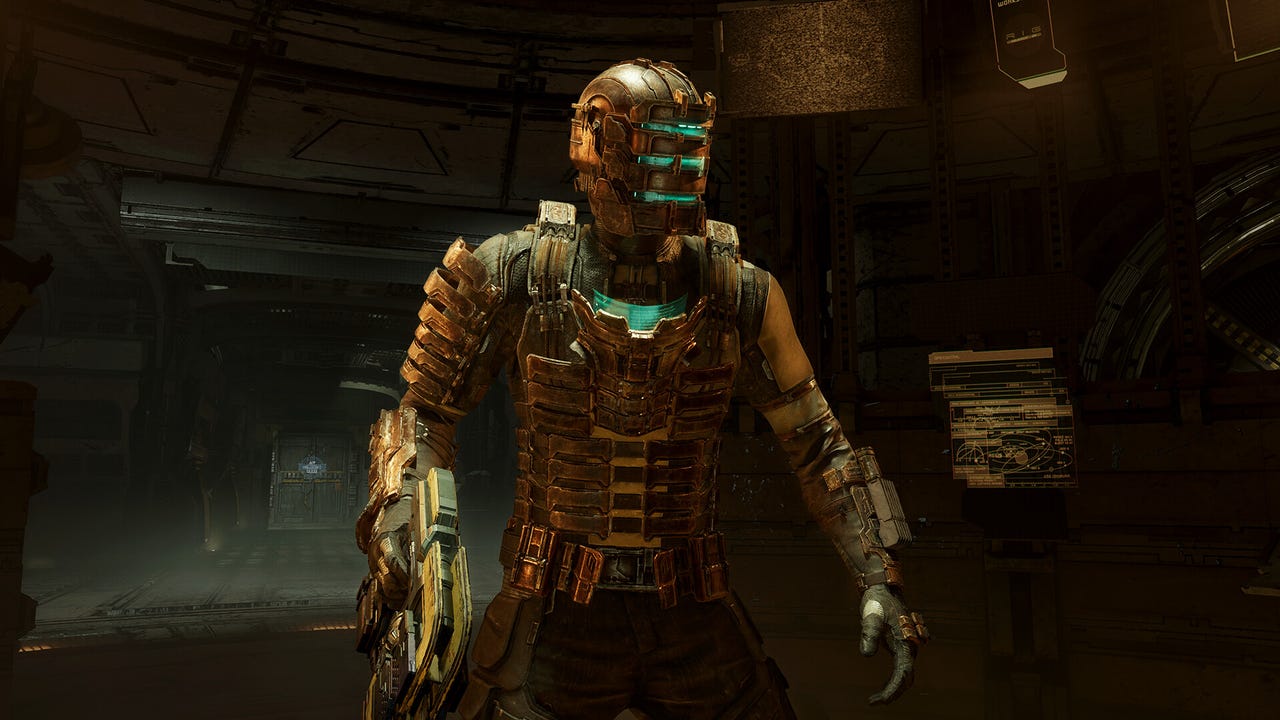
“It’s broken. It’s beaten, it’s battered, and our developers have been taking it on the chin for years.” His remarks struck a chord with those who have seen friends burned out, studios shuttered, and creative ambition replaced by corporate spreadsheets. Schofield’s message was clear: the heart of gaming – the creativity, the risk-taking, the passion – has been buried beneath layers of financial caution and mismanagement.
One of the most striking parts of his speech centered on generative AI. Schofield doesn’t see AI as a threat to human creativity but as a tool that can restore balance and efficiency to a beleaguered industry. “AI isn’t here to replace us,” he insisted. “It’s here to make us faster, better, and more efficient.” He urged studio heads to embrace AI across every department – art, writing, marketing, production – rather than fear it. “Start training your people on AI,” he said. “Don’t wait for permission. Whether you’re EA, Activision, or Namco, train your teams now, together. It’s how we’ll rebuild.”
Schofield’s vision of AI as a collaborative assistant rather than an adversary is a bold counterpoint to the skepticism pervading the industry. Yet, it’s not just technology that needs fixing – it’s the business mindset behind it. The second part of his speech turned its fire toward the investors and executives holding the purse strings. “Come on, investors,” he challenged, “stop this madness. You want a AAA game for eight million dollars? Get your guts back!” He argued that the industry’s obsession with risk avoidance has created a cycle of mediocrity. Studios are underfunded, overworked, and managed by people who often lack creative leadership experience. “You picked the wrong people to run teams,” he said bluntly. “You need creative leaders – people who live and breathe the art of making games, not just people who know how to manage meetings.”
That criticism resonated deeply with developers in the audience. Many have long lamented that game studios, especially large ones, are drowning in layers of middle management and disconnected executives. Schofield painted a picture of an industry where visionaries are pushed aside in favor of corporate handlers. “Let’s put the right people in charge,” he said. “Do the due diligence. Spend the money. The industry will make money again – but only if we make quality games, and give them to the right teams.”
Then came a nostalgic and somewhat surprising plea: “Bring back E3.” The crowd chuckled, but Schofield was serious. He called E3 “the granddaddy of them all,” the kind of event that fueled creativity through collaboration. “Every E3 I went to made my games better,” he said. “You’d meet friends, trade ideas, share mechanics, talk about tech. That’s what pushed the industry forward.” In his eyes, the death of E3 symbolizes something larger – the fragmentation of an industry that once felt united by purpose. Without that common space to share ideas, he warned, studios risk becoming isolated, competing in silos rather than growing together.
Despite his criticism, Schofield ended his talk on a hopeful note. He reminded the audience that while technology like AI can revolutionize workflows, it’s still the human imagination that drives the medium forward. “Remember,” he said, “ideas are the lifeblood of the industry. And those ideas come from you.” It was a moment of solidarity that drew quiet applause – a recognition that despite the exhaustion, despite the chaos, there’s still a heartbeat in this battered industry.
Schofield’s speech has already divided opinions. Some hail it as a wake-up call; others see it as naïve or contradictory. Yet, few can deny that his words reflect a growing anxiety among developers and fans alike: that something fundamental has been lost in the modern gaming machine. Whether his solutions – embracing AI, funding creative leadership, and reviving industry unity – are the answers remains to be seen. But for now, Schofield has reignited a vital conversation about what gaming should be – and what it’s in danger of becoming.
2 comments
too many managers and not enough devs. Ubisoft used to be amazing when it was small. now it’s meetings about meetings 😩
investors stingy? dude, triple A games already burn hundreds of millions. where’s that going??