Andy Muschietti, the director behind The Flash, has once again defended his much-debated DC Extended Universe entry – a movie that became one of the most notorious box office flops in the superhero era. 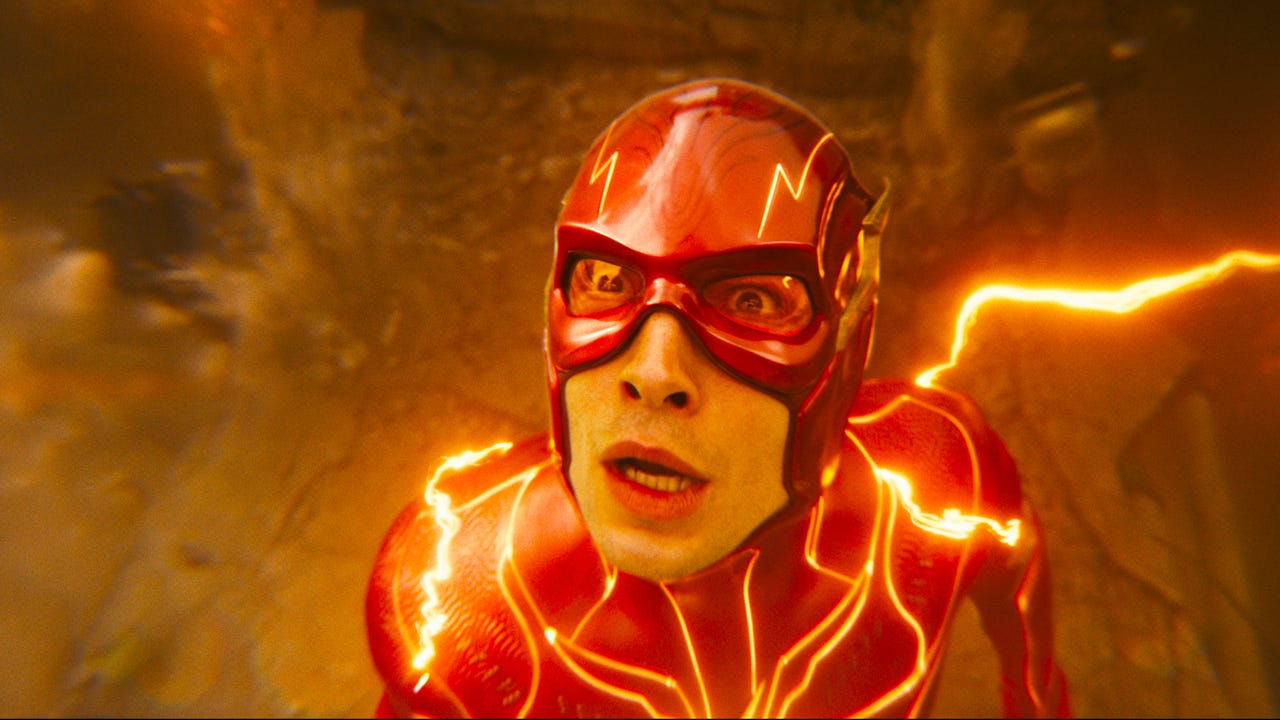
Speaking in a recent interview with The Playlist while promoting his upcoming IT prequel series Welcome to Derry, Muschietti revisited the turbulent reception surrounding The Flash and the wave of online negativity that followed. His main point? Many critics never even saw the movie they were tearing apart.
“A lot of people did not see it,” Muschietti said. “But people these days love to jump on bandwagons. They don’t really know what they’re talking about. They get angry for reasons that have nothing to do with the movie itself.” It’s a sentiment that cuts right into modern fan culture – the echo chambers of social media where reputations are often made or destroyed long before opening weekend.
Released in 2023 and starring the controversial Ezra Miller, The Flash was expected to reignite DC’s cinematic universe. Instead, it stumbled to just $271 million worldwide against a production budget north of $200 million. Critics hammered the film’s inconsistent tone, uneven storytelling, and at times cartoonish CGI. Others were unsettled by the use of computer-generated recreations of deceased actors – a creative decision that drew heavy backlash. Still, Muschietti insists the final product was something he’s proud of. “We love the movie,” he said. “We gave it our blood, sweat, and tears. I watched it again recently, and I still love it.”
Even the director acknowledges, however, that the controversy surrounding Miller’s off-screen behavior cast a long shadow. “We had a publicity crisis that was undeniable,” he admitted, though he refrained from blaming the star entirely. Muschietti maintains that the movie’s downfall was also tied to the audience’s lack of emotional connection with the Flash as a character. “I’ve found that a lot of people just don’t care about the Flash,” he noted. “Especially among female viewers. That kind of wind was always blowing against us.”
In industry terms, The Flash simply failed to hit all four quadrants – males and females both above and below 25 – the Hollywood shorthand for mass appeal. That’s the expectation for any blockbuster with a nine-figure budget. As Muschietti explained, “When you spend $200 million making a movie, [Warner Bros.] wants to bring even your grandmother to the theaters.”
Some fans, though, argue that the movie’s problems went far deeper. They point to Warner Bros.’ fractured cinematic direction, rushed post-production, and tonal confusion that left the film stranded between comedy, tragedy, and franchise reset. “It wanted to be everything at once,” one viewer commented, “a serious drama, a fun multiverse romp, and a reboot. But it never fully landed any of those punches.” Others, however, defend it as a flawed but heartfelt swan song to the DCEU, comparing it to cult classics that only later find appreciation. “It was chaotic but full of spirit,” wrote another fan. “Give it a few years – people might look back on it differently.”
Despite the film’s underperformance, DC isn’t done with Muschietti. He’s reportedly set to direct The Brave and the Bold, the first Batman movie in James Gunn and Peter Safran’s new DC Universe. Whether that project redeems his DC legacy remains to be seen, but one thing is clear: Muschietti’s defiance signals that, for him, The Flash deserves more than its internet infamy. Love it or hate it, the movie remains a snapshot of a cinematic era that ended in controversy, ambition, and exhausted superheroes trying to run faster than their own reputations.
1 comment
watched it 3 times ngl. messy but somehow still entertaining, like a guilty pleasure