Would you trust your smartwatch with your health? For millions of people, the answer is already yes – maybe without even realizing how much. Once a futuristic novelty that could read texts or play music, today’s smartwatches have become miniature health dashboards strapped to our wrists. From tracking sleep and counting steps to monitoring heart rate and oxygen levels, these devices promise insight into our wellbeing with a glance at the screen. But how much should we really trust them?
According to recent surveys, more than 65% of smartwatch users rely on their device for health tracking. 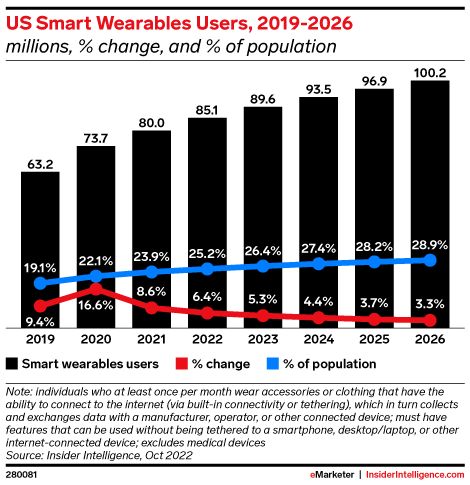
That’s not just counting calories or checking how many steps you’ve taken – many people now depend on them to monitor their heart, stress, and sleep cycles. By 2026, experts expect the number of Americans using health-tracking wearables to surpass 100 million. But amid the hype, it’s worth asking: are these watches truly reliable medical tools, or just well-marketed gadgets offering a comforting illusion of control?
Smartwatches: Impressive, but not infallible
Let’s be clear: smartwatches have revolutionized personal health tracking. Devices like the Apple Watch, Samsung Galaxy Watch, and Fitbit Sense have FDA-cleared features capable of detecting irregular heart rhythms or performing simplified ECGs. That’s no small achievement for a device you can wear in the shower. But there’s a fine line between ‘helpful’ and ‘diagnostic.’
When it comes to metrics like resting heart rate, these watches perform admirably well. Yet, as soon as you start moving – running, boxing, or doing interval training – the sensors’ accuracy can drop. Optical heart rate sensors on the wrist struggle when motion, sweat, tattoos, or darker skin tones interfere with the light reflection that the sensor uses to read your pulse. In fact, studies have shown that melanin can absorb light differently, causing subtle but meaningful inaccuracies in readings for people with darker skin. It’s a technological limitation that engineers continue to wrestle with.
Health tracking or health guessing?
Metrics like calories burned, stress scores, or sleep stages are even more approximate. Most watches calculate calorie expenditure based on heart rate and movement – both of which vary widely by individual. You could burn 400 calories and your watch says 600, or vice versa. Similarly, sleep tracking on most devices is little more than an informed guess. They use motion and heart rate changes to estimate light, deep, and REM sleep, but they can’t measure brain activity – the gold standard of true sleep science. That’s why your watch might claim you’ve had a ‘perfect night’s rest’ even when you wake up groggy.
As one recent Apple Watch study found, step counting and overall sleep duration tracking are highly reliable – detecting sleep with an impressive 97% accuracy and only a 3% margin of error for steps. But the same study revealed the limits: Apple Watches underestimated heart rate by an average of 1.3 bpm, overestimated calories burned by up to 115%, and failed to correctly detect awakenings during sleep nearly three-quarters of the time. The takeaway? Smartwatches are excellent at spotting patterns – but they’re no substitute for professional-grade devices or medical testing.
The illusion of medical precision
Modern smartwatches also advertise advanced features like blood oxygen (SpO₂) monitoring or even experimental blood pressure readings. These features sound futuristic – and they are – but they’re far from perfect. SpO₂ data, for example, can swing wildly from 88% to 96% within minutes, depending on wrist placement, temperature, or even the tightness of your watch band. If you feel fine, those dips probably mean nothing. But if you rely solely on those numbers for reassurance, you might overlook something serious – or panic over nothing.
Blood pressure monitoring is an even greater challenge. While companies like Samsung have experimented with software-based readings and Apple is reportedly preparing a blood pressure alert system, true accuracy still requires an inflatable cuff. The sensors on your wrist simply can’t replicate that kind of pressure-based measurement yet. For people managing hypertension, that means the watch can be a helpful companion – but never the only source of truth.
Your smartwatch isn’t your doctor
Imagine feeling chest discomfort and checking your watch, which calmly displays ‘ECG Normal.’ That message might offer relief – or it might give you false confidence. The truth is, consumer devices can’t detect everything, and they’re not meant to replace clinical tests. Even Apple’s health app includes disclaimers warning users not to interpret readings as medical advice. It’s better to treat these devices as early-warning systems, not final verdicts.
Professional athletes often use chest straps or medical-grade sensors for this very reason: they want precision. Optical sensors lag behind during high-intensity motion, where split-second heart rate changes can tell the difference between fatigue and overexertion. So, while your Apple Watch might estimate your pulse fairly well during yoga or walking, it’s likely less dependable during HIIT or sprinting.
Be a smart user, not a blind believer
The best way to use smartwatch data is to look for trends, not individual numbers. A random 3 a.m. heart rate spike could just be a vivid dream. But if you notice your resting heart rate slowly climbing week after week, or sleep quality consistently dropping, that’s worth investigating. It’s about connecting the dots between your data and how you actually feel.
Also, learn to double-check. If your smartwatch flags something abnormal – irregular rhythm, high heart rate, or unusually low oxygen levels – don’t panic, but don’t ignore it either. Verify it with another device or consult a professional. That’s especially important for chronic patients who use these devices to monitor ongoing conditions. As one cardiac patient explained, “I always compare my watch’s readings with my Omron cuff. The Samsung app never matches it.”
Design matters more than most think
Something as simple as how you wear your watch can change everything. A snug fit ensures stable readings, while a loose strap can make sensors miss beats – literally. Factors like temperature and sweat can also affect performance, especially in hot weather or intense workouts. Even different devices handle data differently. Some users report that combining a watch with a smart ring, like Samsung’s new S Ring, produces a more reliable average since the ring captures steadier data unaffected by wrist motion.
Ultimately, your smartwatch is a motivator, not a medic. It’s there to help you notice patterns, encourage movement, and remind you to breathe – not diagnose disease. The goal isn’t to distrust the technology, but to use it wisely. Think of it as a health coach that occasionally guesses wrong, not a digital doctor that knows everything. Used thoughtfully, it can push you toward healthier habits. Used blindly, it can give false comfort or unnecessary anxiety.
So yes – wear it, track it, learn from it. But remember: no matter how advanced your Apple Watch, Galaxy Watch, or Pixel Watch becomes, your best health data still comes from the oldest sensor of all – your own awareness.