Google is once again reshaping how ads appear in its search results – but this time, it’s giving users a small taste of control. The tech giant has confirmed that it will now allow people to hide sponsored search results, though the option comes with a peculiar limitation: you can only hide them after scrolling past them. 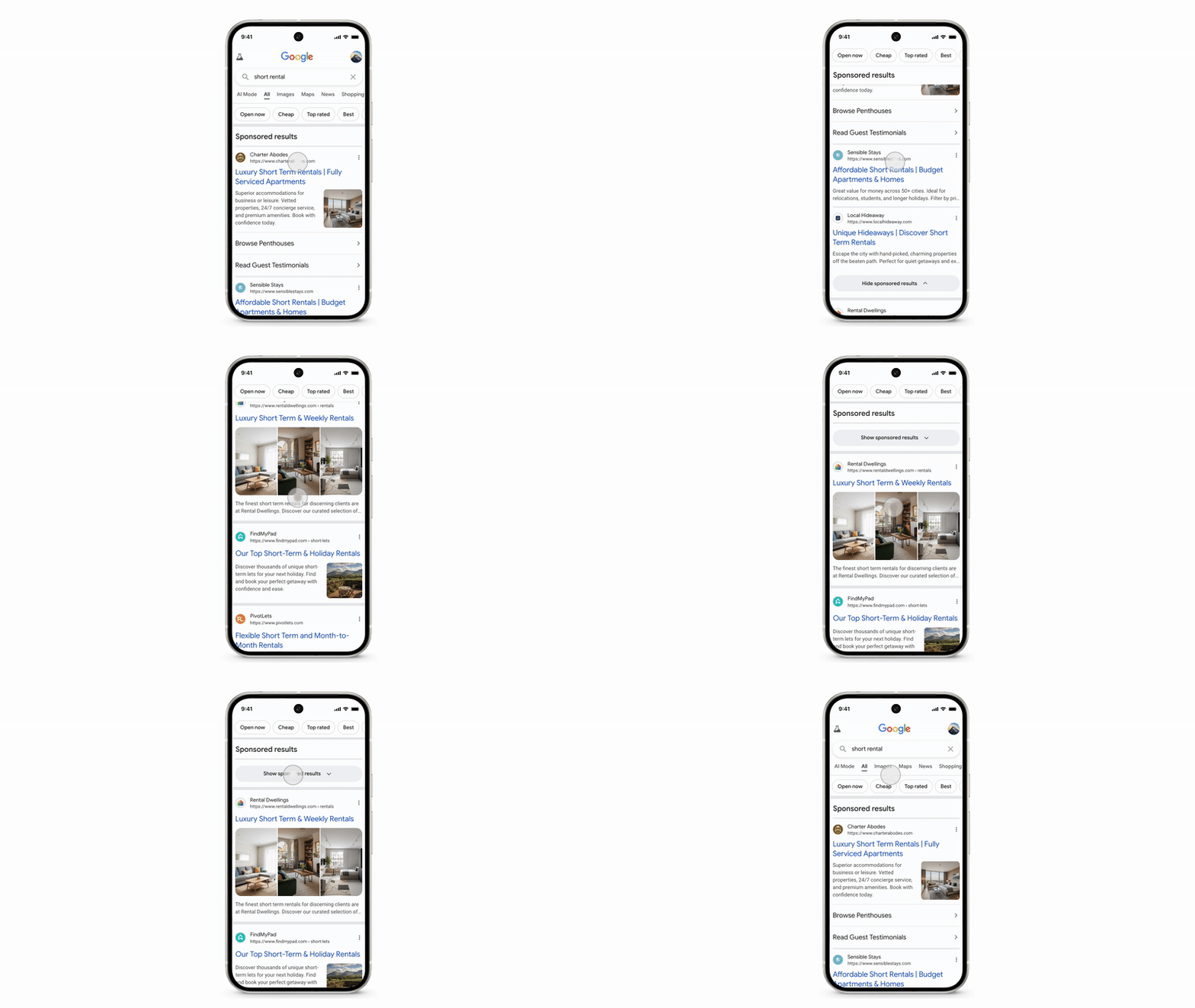
This new setup fundamentally changes how Google displays paid ads, consolidating them under a single, collapsible section at the top of the search page.
Previously, every paid link on Google Search carried its own small ‘Sponsored’ label, often blending in with organic results and occasionally drawing criticism for lack of transparency. With the redesign, all sponsored results will now appear inside one unified block marked clearly as ‘Sponsored’. This label will stay visible while scrolling, and users can collapse the section to hide all ads at once – though the button to do so sits inconveniently at the bottom of the block. Once hidden, the section remains collapsed until a user chooses to expand it again.
From a usability perspective, the move feels like a half-step toward user empowerment. On one hand, it’s a long-awaited nod to those who have complained about cluttered search pages and the growing dominance of ads over genuine search results. On the other, the placement of the hide button subtly nudges users to first scroll through all paid listings – a design decision that keeps ad impressions intact. Critics have pointed out that Google’s stated goal of ‘making navigation easier’ might sound more convincing if the button weren’t buried under the very content users want to avoid.
The change also interacts with Google’s increasingly AI-driven Search experience. The company clarified that the ‘Sponsored’ label and ad block will appear either above or below the AI Overviews that summarize answers using generative AI. This means that depending on the query, users might have to scroll even further before reaching organic results or before they can hide ads at all. It’s a subtle but telling shift in how Google balances its business interests with user experience – after all, ads still remain the backbone of the company’s revenue.
The update is already rolling out globally across both desktop and mobile. While it may reduce visual noise, it doesn’t necessarily make Search better. Many long-time users argue that Google’s real problem isn’t the presence of ads but the declining quality and relevance of organic results. With the rise of AI tools and alternative search engines that prioritize concise answers, Google’s dominance is facing new pressure. For those already using ad blockers, this feature might seem redundant – but for everyone else, it’s at least a minor improvement in the ongoing tug-of-war between convenience, transparency, and monetization.
2 comments
ngl i actually like the cleaner look, at least it’s not mixing ads with real results anymore
this is just google pretending to care while keeping the ad money flowing lol