Will the Galaxy S26 use Snapdragon or Exynos? The question has once again ignited debates across the tech community. But maybe – just maybe – this conversation has outlived its relevance. 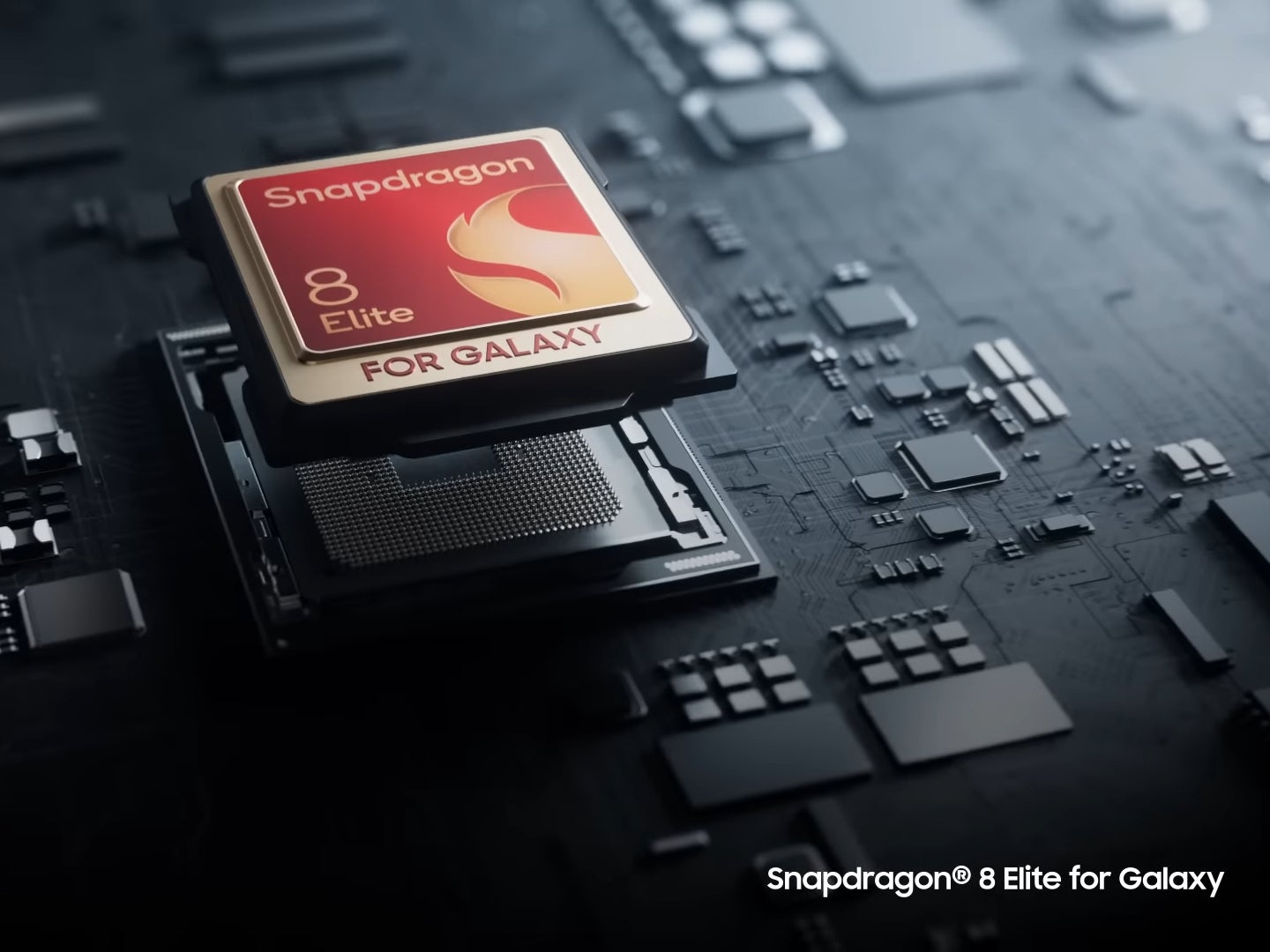
Every new Samsung flagship sparks the same argument about processors, yet in 2025, that distinction feels more like a relic of the past than a dealbreaker.
Recent leaks strongly suggest that Samsung is returning to its traditional dual-chip strategy for the upcoming Galaxy S26 lineup. In other words, some regions will receive the Snapdragon 8 Elite Gen 5, while others will get the homegrown Exynos 2600. Predictably, this news triggered disappointment among enthusiasts hoping for a uniform Snapdragon rollout, like we saw with the Galaxy S25 series. But here’s the truth: the difference hardly matters anymore – not in real-world use, and certainly not for the average consumer.
Exynos 2600 vs Snapdragon 8 Elite Gen 5: The Specs War Continues
The Galaxy S26 family – which reportedly includes the Galaxy S26, Galaxy S26 Pro, and Galaxy S26 Ultra – is expected to split processors by market once again. The U.S., Canada, and select regions like South Korea will likely stick with Qualcomm’s Snapdragon 8 Elite Gen 5, while Europe, India, and most of Asia will receive Samsung’s Exynos 2600. The Ultra variant, interestingly, might feature the Snapdragon across all regions, just like last year’s S25 Ultra.
From a purely numerical standpoint, Qualcomm’s chip has long been the performance king. However, Samsung’s Exynos division has quietly closed the gap – and perhaps even flipped the script this time. Built on Samsung Foundry’s cutting-edge 2-nanometer process, the Exynos 2600 is said to outperform the Snapdragon 8 Elite Gen 5, which relies on TSMC’s 3-nanometer node. Early benchmark leaks back up this claim, showing the Exynos holding a surprising lead in multi-core performance while maintaining power efficiency.
Yet despite these numbers, it’s important to pause and ask: does this even matter anymore?
Why the Chip Debate Is Losing Meaning
For most users, the choice between Snapdragon and Exynos affects nothing beyond the name printed in spec sheets. Smartphones are now so powerful that even last-generation processors – like those in the Galaxy S23 or iPhone 14 – continue to perform flawlessly. Apps open instantly, games run at full settings, and the system’s responsiveness rarely dips. In other words, we’ve reached a point of performance saturation.
Whether your Galaxy S26 runs the Exynos 2600 or Snapdragon 8 Elite Gen 5, the day-to-day difference is negligible. Only benchmarking enthusiasts and tech reviewers armed with measurement tools can consistently notice it. Even high-end gaming sees almost identical frame rates, with only marginal differences under stress tests or prolonged heat scenarios. For the overwhelming majority of users, both chips are overkill.
So why does Samsung keep splitting its lineup? Partly, it’s about business and supply chain diversification. Qualcomm’s chips are expensive and depend on external foundries, while Samsung produces its Exynos chips in-house. Using both allows the company to balance production costs and ensure availability worldwide. The other factor is national pride: Samsung still dreams of achieving the kind of perfect hardware-software harmony Apple enjoys with its M-series chips and iPhones.
The Road to Samsung’s Apple Silicon Moment
Let’s be honest: Samsung’s endgame isn’t just about cost savings. It wants to own the full stack – the silicon, the software, and the optimization – just as Apple does. If Samsung ever nails that formula, the payoff could be enormous. An Exynos-only Galaxy S series would allow tighter integration, better battery optimization, and long-term control over every aspect of performance. In theory, this could unlock a generational leap similar to Apple’s shift from Intel to its M1 chips in MacBooks.
But for now, that dream remains aspirational. Exynos still carries the burden of its past – years when thermal throttling, weaker GPUs, and poor optimization damaged its reputation. Although the 2600 might be Samsung’s redemption arc, skepticism persists. Until real-world tests confirm consistency, many consumers will continue to instinctively prefer Snapdragon models.
So, Should You Care Which Chip You Get?
In short: no. The Galaxy S26, regardless of chip, will be a blazing-fast, power-efficient flagship that exceeds the needs of 99 percent of users. Even budget Android phones today handle multitasking and gaming effortlessly. The Snapdragon 8 Elite Gen 5 and Exynos 2600 are simply pushing the boundaries of what’s possible – but not necessarily what’s needed.
If you’re planning to buy the Galaxy S26, don’t let processor debates stop you. Samsung’s latest flagship will deliver exceptional performance no matter which variant you get. Whether you’re in the U.S., Europe, or Asia, your Galaxy S26 will run smoothly, last long, and handle everything you throw at it – from demanding apps to casual daily use. At this point, the real differentiators lie in the camera system, display quality, and ecosystem features, not the chip inside.
So when the Galaxy S26 lands, forget about Exynos versus Snapdragon. The war is over – and the real winners are the users who can finally stop caring about it.
1 comment
lol still gonna wait for snapdragon version tho 😜