Apple is reportedly gearing up for a major leap in its wearable tech lineup with the second generation of its smart glasses – a device that could blur the lines between augmented and mixed reality even further. According to new reports, this upcoming model may be able to run two entirely different operating systems depending on which Apple device it’s connected to, potentially giving users an unprecedented level of flexibility and integration.
The information comes from Mark Gurman’s latest ‘Power On’ newsletter, where he sheds light on Apple’s evolving plans for the AR wearables space. 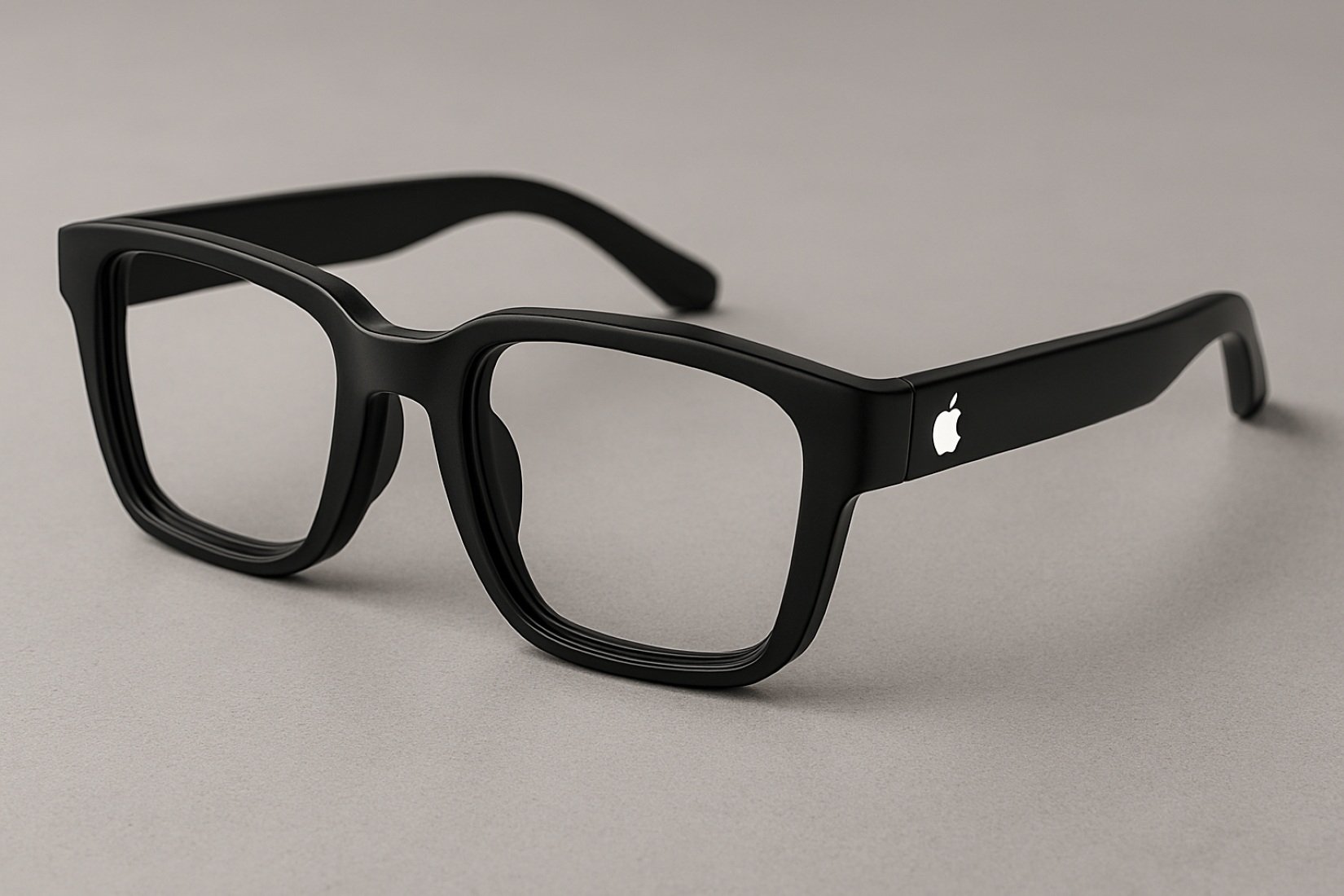
Gurman reiterates that Apple’s first-generation smart glasses are not expected to include a display, which may make them more of a lightweight accessory than a full-fledged AR headset. However, the follow-up model – anticipated to debut around 2027 – is where Apple’s true ambitions start to take shape.
Unlike the initial version, the second-generation Apple Smart Glasses are rumored to be capable of running visionOS when tethered to a Mac, essentially turning them into an extension of the Mac’s immersive computing environment. When connected to an iPhone, however, they’re expected to switch to a lighter, less resource-demanding interface – similar to how Apple Watch handles watchOS compared to iOS. This duality could position the smart glasses as one of the most versatile products in Apple’s entire lineup.
Behind the scenes, Apple engineers have reportedly been experimenting with different configurations to ensure seamless connectivity. The current prototypes rely on a physical tether, such as a USB-C or proprietary connector, to deliver stable and low-latency performance. While this wired setup is technically reliable, it may not be the most comfortable solution for users who expect sleek, wireless freedom. Apple, of course, is unlikely to settle for anything less than elegance – and given its success with technologies like the H2 chip powering the AirPods Pro 3, it’s reasonable to assume that future iterations will aim for a wireless link just as effortless.
That said, Apple’s leadership remains cautious. Reports suggest that internal discussions have even led to the temporary cancellation of some prototypes due to fears that the product wouldn’t meet Apple’s strict performance and design standards. The company is well known for delaying or scrapping devices that don’t feel ‘magical’ enough – and these smart glasses are no exception.
In theory, the most exciting possibility lies in Apple eventually delivering a standalone pair of smart glasses – one with the full computing power of an iPhone built in. That would mark a true paradigm shift in personal technology, offering immersive AR experiences without the need for a tethered device. However, this vision remains several years away. For now, Apple seems focused on perfecting the connected experience first, ensuring that when the standalone model finally arrives, it feels seamless, intuitive, and distinctly ‘Apple.’
As the wait continues, one thing is clear: Apple is not just building another gadget – it’s shaping the future of how we interact with information and the world around us. If successful, these glasses could redefine what we expect from both wearable devices and computing itself.
1 comment
Tbh I’ll wait for the wireless version, not gonna wear glasses with a cable 😅