Samsung’s long-rumored Galaxy XR headset has finally leaked in full, and it looks ready to take a serious swing at Apple’s Vision Pro. The newly surfaced renders and specs show a device that doesn’t reinvent the wheel but could shake up the high-end XR market by focusing on what Apple missed – comfort, practicality, and, hopefully, affordability.
Known internally as Project Moohan, Samsung’s Galaxy XR has been teased at events like the Galaxy S25 launch and Mobile World Congress, but this is the first time we’re seeing what appears to be the final marketing material. 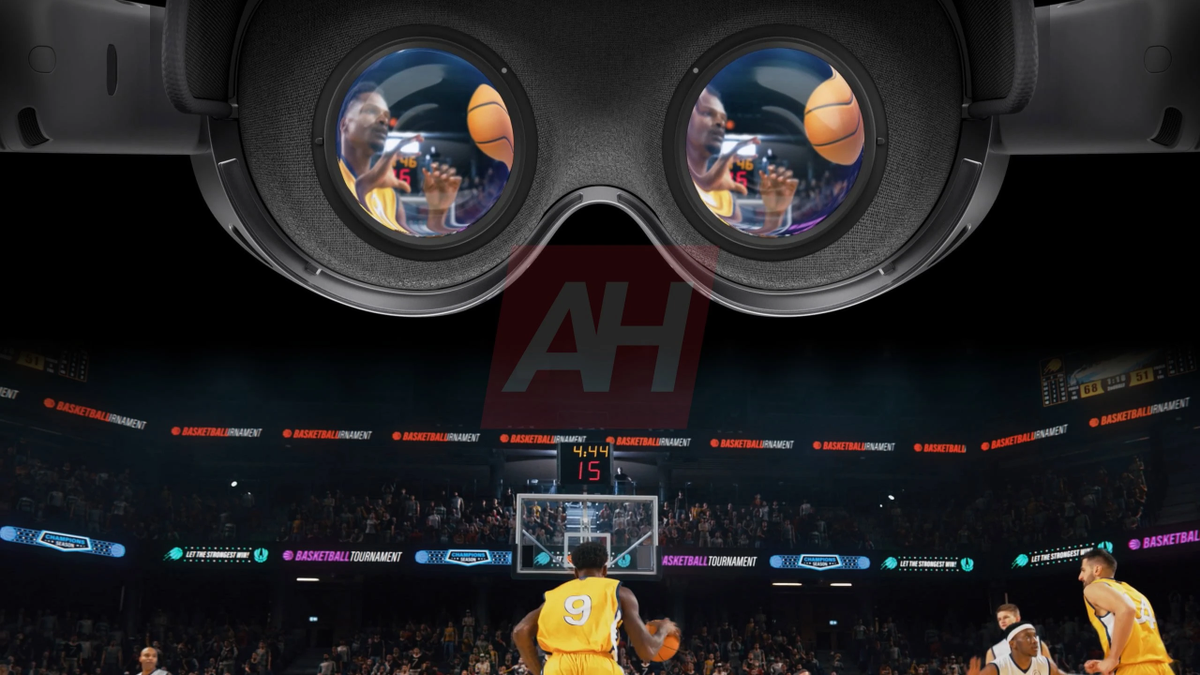
The headset looks polished and production-ready, signaling that Samsung is gearing up for a direct showdown with Apple in the growing mixed-reality space.
The familiar yet refined design
At first glance, the Galaxy XR doesn’t look radically different from the Vision Pro or Meta Quest headsets. It features dual 4K micro-OLED displays, an adjustable head strap with a rear tightening knob, and a separate battery pack that connects via cable – a smart move that keeps the headset itself lighter on your face. Samsung’s design team seems to have opted for functionality over flash, aiming for a headset that feels more like a practical everyday device than a futuristic prototype.
Early images also reveal a streamlined interface called One UI XR, built on Google’s Android XR platform. The software looks clean, minimalistic, and intuitively designed, with an emphasis on multitasking and app integration – something Samsung has historically excelled at. If executed well, this could give the Galaxy XR a real usability edge over Apple’s visionOS, which, while elegant, has been criticized for feeling closed off to non-Apple services.
Powerful specs with one odd compromise
Under the hood, the Galaxy XR is a technical powerhouse. Its micro-OLED panels reportedly deliver nearly six million more pixels than the Vision Pro’s displays, which should result in razor-sharp visuals. But there’s a caveat: the headset is said to be running on Qualcomm’s XR2+ Gen 2 processor – a capable chip, but one that’s already two years old. While this might raise eyebrows among tech purists, Samsung could be betting that software optimization and efficient cooling will make up for the age of the silicon.
Still, the performance equation is about more than raw power. If Samsung can deliver smooth tracking, seamless passthrough visuals, and stable mixed-reality experiences, the slightly older processor may not matter much in real-world use. After all, most users care about comfort and functionality before benchmark scores.
Lighter, smarter, and potentially cheaper
Weight might be the Galaxy XR’s secret weapon. Coming in at roughly 545 grams, it’s significantly lighter than the Vision Pro, which many users have complained feels heavy and fatiguing during longer sessions. By shifting the battery into a separate pack, Samsung has struck a clever balance between comfort and endurance. The trade-off? Battery life reportedly sits around two hours – the same as Apple’s – so you won’t escape the charger for long, but you’ll at least feel less burdened while wearing it.
The company’s strategy appears clear: position the Galaxy XR as the more practical, more approachable headset for everyday users. Apple aims for luxury and exclusivity; Samsung aims for accessibility and balance. If rumors of a more aggressive price point hold true, the Galaxy XR could easily become the go-to headset for those who found the Vision Pro impressive but unaffordable.
A cautious but promising outlook
While the Galaxy XR won’t magically redefine XR hardware, it does look like a mature and thoughtfully designed product that fixes key pain points. The lighter frame, comfortable fit, and open ecosystem could make it the headset that brings mixed reality to a wider audience. If Samsung nails the performance and pricing – and doesn’t overpromise on features – it could finally give Apple real competition in a field that desperately needs it.
Personally, I’m optimistic. Samsung’s mix of practicality and polish feels like the right move at the right time. There’s still the question of how well the older processor will hold up under heavy workloads, but if early impressions are any indication, the Galaxy XR might just be the mainstream Vision Pro alternative everyone’s been waiting for.
1 comment
android xr sounds interesting, could be more open than apple stuff