EssilorLuxottica’s CEO, Francesco Milleri, has painted a bold vision for the future – one where the smartphone becomes a relic of the past, overtaken by a new generation of AI-driven smart glasses. In his recent interview with Bloomberg, Milleri suggested that millions of people might soon abandon their phones in favor of eyewear capable of performing the same, if not greater, functions. 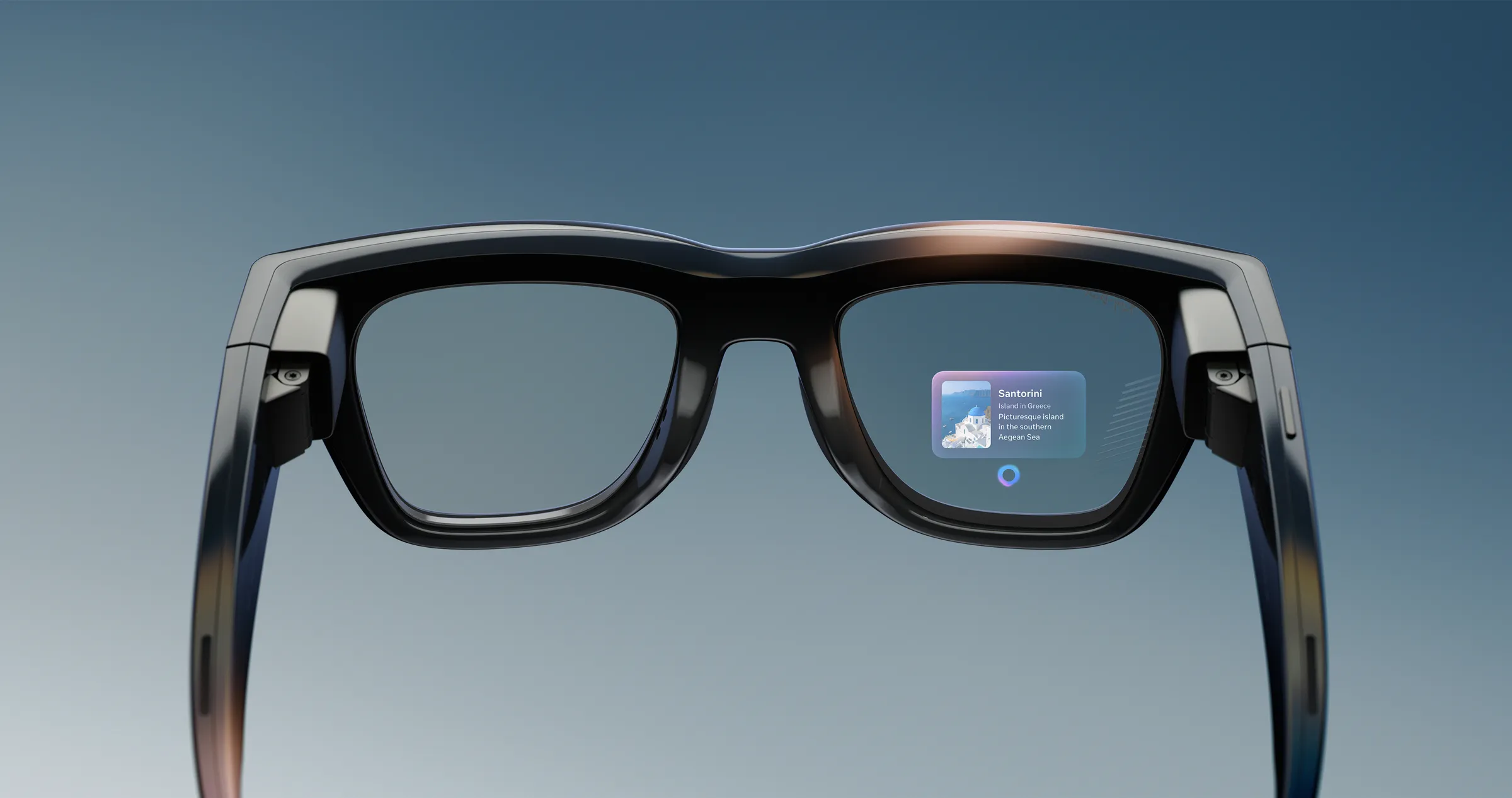
Yet, behind this ambitious forecast lies a reality check: the current market numbers don’t seem to share the same optimism.
EssilorLuxottica, already a global titan in lenses, frames, and sunglasses, is also Meta’s key partner in the development of next-generation Ray-Ban smart glasses. The company is now ramping up its smart glasses production capacity to 10 million units annually by the end of 2026 – a massive leap designed to meet growing demand from Meta and to expand its own line of products such as the Nuance Audio glasses, which merge hearing assistance with smart functionality. Milleri envisions these devices not just as accessories but as portals to a fully interconnected digital ecosystem. He spoke of a future filled with communities linked through intelligent eyewear – a concept that feels both futuristic and plausible in an AI-saturated age.
However, when one steps back to analyze the numbers, the optimism seems far ahead of reality. Analysts estimate that the total addressable market for smart glasses will reach roughly 60 million units by 2035. While that sounds promising, it pales compared to smartphone figures – Apple alone shipped more than 230 million iPhones in 2024. The scale difference underscores how long it may take before smart glasses can truly rival the dominance of smartphones. Market adoption of wearable tech has always been slow, largely due to comfort, privacy, and cost issues – barriers that will likely remain for the next several years.
That said, progress is undeniable. Meta has emerged as the frontrunner in this evolving space, reshaping its product strategy to focus heavily on wearable AI. In early October, Apple reportedly paused its work on the high-end Vision Pro headset to redirect resources toward developing its own smart glasses, a move that hints at industry-wide recognition of their potential. Meta’s newly introduced Ray-Ban Display smart glasses exemplify the leap forward: equipped with a miniature display capable of reading text, showing short videos, translating languages in real time, and offering a field resolution of 42 pixels per degree, they blur the line between AR convenience and everyday practicality. With brightness levels of up to 5,000 nits, the glasses perform well in both indoor and outdoor settings.
Further setting them apart is Meta’s Neural Band – an innovative control system that reads electrical signals sent between the brain and the hand through electromyography (EMG), allowing intuitive gesture-based navigation. Priced at $799, the Ray-Ban Display is being marketed as a step toward hands-free, screen-free living – an era where human-computer interaction becomes more natural and immersive. Whether that vision will materialize on a mass scale remains uncertain, but one thing is clear: EssilorLuxottica and Meta are determined to turn science fiction into everyday life.