Ubisoft’s Lost Assassin’s Creed: The Cancelled Post-Civil War Game That Could Have Redefined the Series
In 2024, Ubisoft reportedly shelved an Assassin’s Creed project that might have been one of the franchise’s boldest and most socially charged entries yet. According to journalist Stephen Totilo’s report for Game File, the game was set in the late 19th century, in the uneasy years following the American Civil War – a period defined by the promise of freedom and the cruelty of its denial. The player would have stepped into the role of a formerly enslaved Black man who had escaped the plantations of the South and built a new life in the American West. But his journey of freedom would soon turn into something much more profound: recruitment by the Order of Assassins and a return to the South to confront the rising shadow of the Ku Klux Klan.
Sources close to Ubisoft told Totilo that the project’s narrative intended to explore themes of justice, vengeance, and moral awakening through the lens of post-war America – a setting rich with cultural conflict and human struggle. The game’s protagonist would have been uniquely placed to reflect on the nation’s fractured identity, forced to navigate between a newfound liberty and a violent, racist resistance that sought to erase it. It was, by all accounts, a daring narrative direction – one that pushed Assassin’s Creed into uncharted emotional and political territory.
However, Ubisoft management ultimately decided to cancel the game. According to five anonymous current and former employees who spoke to Totilo, the decision came down to two main factors. First, the publisher didn’t want to endure the kind of online backlash it had faced over the inclusion of the African samurai Yasuke in Assassin’s Creed Shadows. The second was a deep-seated corporate fear that tackling the subject of racism and domestic terrorism in the United States – especially through the imagery of the Ku Klux Klan – would be seen as “too political” in an increasingly polarized environment. As one insider put it, “Too political in a country too unstable.”
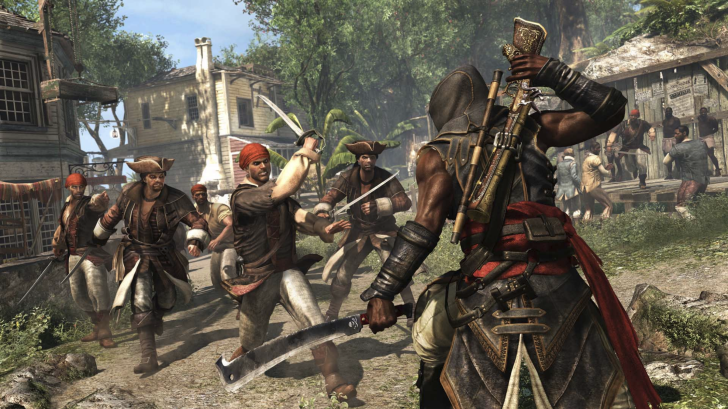
This reasoning highlights an uncomfortable truth about the modern gaming industry: while developers often aspire to tell meaningful stories, publishers frequently retreat from controversy. Yet, Ubisoft has not always shied away from exploring dark chapters of history. Assassin’s Creed Freedom Cry, a standalone expansion to Black Flag, cast players as Adéwalé – a former slave from Trinidad who fights to liberate others still in chains. That title was praised for tackling the brutality of slavery head-on, blending the franchise’s signature stealth gameplay with a story grounded in historical reality and moral purpose.
Many fans and critics argue that the cancelled project could have been the natural evolution of Freedom Cry’s legacy – a chance to tell a deeply human story about resistance, identity, and the cost of freedom. The Assassin’s Creed franchise has always thrived when it combined thrilling parkour and assassination mechanics with thoughtful historical reflection, and this game might have taken that balance to new heights. Instead, Ubisoft’s caution speaks volumes about the tension between creative ambition and corporate risk management in modern AAA gaming.
Ironically, despite initial outrage from online groups, Assassin’s Creed Shadows became both a critical and commercial success, standing among 2025’s best-selling titles. This only underscores what could have been – a missed opportunity to explore one of the most significant moments in American history through a lens that few major studios dare to attempt. The cancellation leaves fans wondering not just what the game might have played like, but what conversations it could have sparked about race, power, and redemption in a country still grappling with those very issues today.
Whether Ubisoft will ever revisit such a theme remains uncertain, but the existence of this project – however brief – suggests that within the company, there are creators still eager to use gaming as a medium for truth and reflection. It’s a reminder that sometimes the most courageous stories are the ones that never make it past the boardroom.
2 comments
Ubisoft scared of history now lol. just make the game ffs
Honestly they dodged a landmine. US audience would’ve gone insane