After years of speculation and countless design patents, Apple appears finally ready to unfold its next major chapter in mobile innovation – literally. The long-rumored iPhone Fold is expected to debut next year, marking the company’s first entry into the foldable smartphone market. 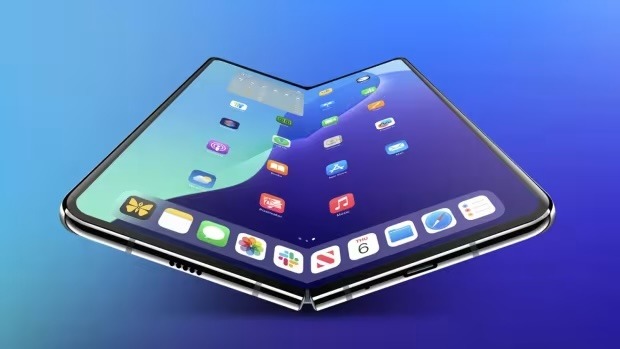
According to a fresh investor note by respected analyst Jeff Pu, Apple’s upcoming foldable iPhone will feature a hybrid frame crafted from both titanium and aluminum, a choice that reveals as much about Apple’s engineering philosophy as it does about its design ambitions.
In recent years, Apple’s materials strategy has been a story of evolution and experimentation. The Pro lineup moved from stainless steel to titanium, chasing lighter weight and greater durability. But the 2025 iPhone 17 Pro series surprised many by returning to aluminum, the metal that defined Apple’s earliest models. This shifting approach suggests that Cupertino’s engineers are refining the balance between strength, weight, and cost efficiency – a crucial factor for a foldable device, where durability and hinge flexibility are paramount.
Interestingly, this new report contrasts with earlier claims from renowned analyst Ming-Chi Kuo, who predicted that the iPhone Fold’s frame would be entirely titanium, with only the hinge combining titanium and aluminum. This discrepancy hints either at an internal redesign or at the natural evolution of Apple’s prototyping process. Foldables are notoriously complex to manufacture, and Apple is known to test multiple configurations before finalizing a production model.
As for specs, insiders expect the iPhone Fold to feature a 5.5-inch external display complemented by a 7.8-inch main folding screen. Instead of the usual Face ID system, it will reportedly rely on Touch ID – a practical choice for a flexible design where sensor placement poses unique challenges. The device will run on iOS 27, which Apple is said to be heavily customizing for multitasking and adaptive interface layouts that take advantage of the new foldable format. This could represent the biggest user interface overhaul since the debut of iPadOS.
If all goes as predicted, Apple’s foldable phone won’t just be another new iPhone – it will be a complete rethinking of what an iPhone can be. The combination of premium materials, thoughtful ergonomics, and purpose-built software could allow the iPhone Fold to redefine Apple’s smartphone narrative once again, just as the original iPhone did in 2007.
1 comment
Touch ID instead of Face ID? interesting move ngl