The iPhone landscape is on the brink of another major shake-up as AltStore PAL, one of the most prominent third-party app stores, gears up to expand beyond Europe. The app, which emerged following the enforcement of the European Union’s Digital Markets Act (DMA), is preparing to launch in Japan, Brazil, and Australia before the end of the year, marking a new phase in Apple’s reluctant journey toward openness. Created by developer Riley Testut – known for the popular Delta game emulator – AltStore PAL represents a growing ecosystem of independent app marketplaces that challenge Apple’s long-standing monopoly over iOS software distribution.
Testut announced the expansion in a blog post, emphasizing that global demand for the alternative store has been overwhelming. 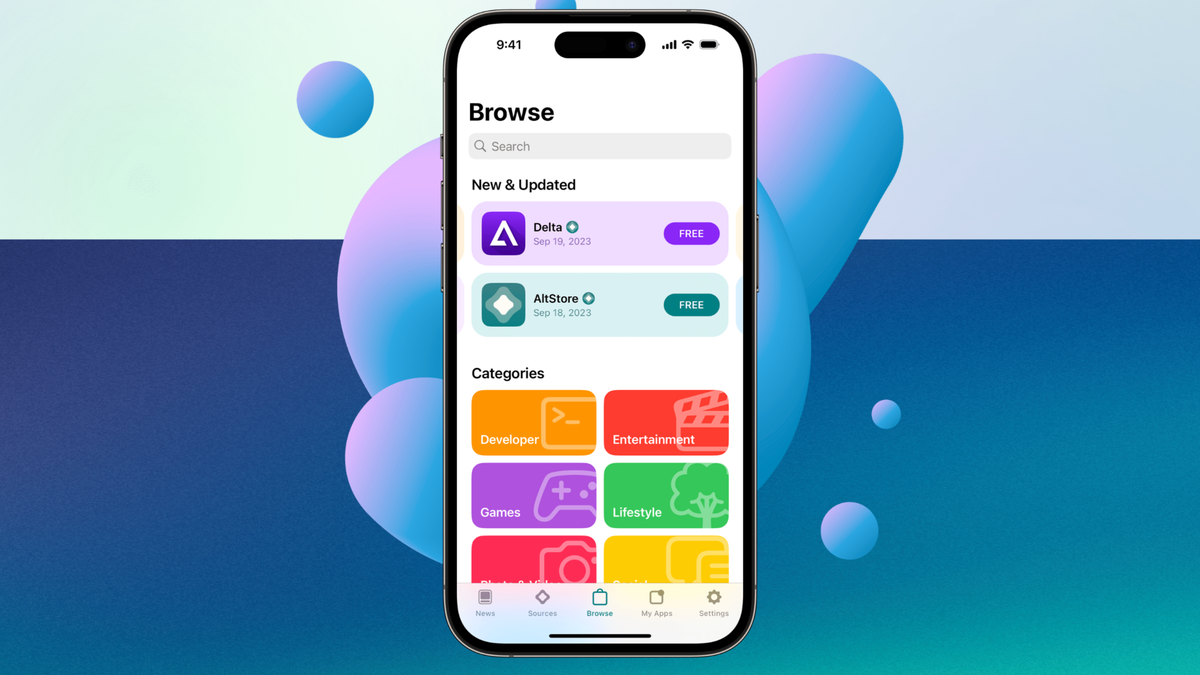
He noted that expanding outside the EU is the most requested feature by users, though the exact launch timeline depends on Apple’s readiness to support such platforms in these regions. The team is also planning a rollout in the United Kingdom sometime in 2026, signaling a steady but deliberate global expansion strategy. However, Apple has not yet confirmed whether it will allow third-party stores in these countries, as most have yet to finalize or enforce their own digital market regulations.
In countries like the United States, the regulatory picture remains murky. Apple continues to face legal pressure from the Department of Justice, which accuses the company of anticompetitive behavior. Any potential outcome that forces Apple to permit third-party app stores could still be years away, meaning that iPhone users in the U.S. may need to wait much longer for the same freedoms Android users have enjoyed for over a decade.
Beyond expanding geographically, AltStore PAL is also taking a bold step into the social web by joining the fediverse – a decentralized network of interconnected servers powered by the ActivityPub protocol, which underpins Mastodon and Threads. The app store will soon host its own Mastodon server, allowing users to follow updates and app news directly from the social web. Developers who list their apps on AltStore will be able to opt in to have updates automatically published to the fediverse, giving their apps a wider and more open audience.
Each source in AltStore PAL will be linked to its own ActivityPub account, enabling interactive connections between the app store and platforms like Mastodon. Likes, comments, and discussions that occur across the fediverse will seamlessly appear within AltStore itself, creating a dynamic bridge between developers and users. These features are expected to go live within the next few months, further blurring the line between app distribution and community-driven interaction.
The introduction of alternative iPhone app stores like AltStore PAL represents a pivotal shift for Apple’s tightly controlled ecosystem. While some users may worry about potential security risks, others see it as a necessary move toward greater choice and innovation. Many independent developers have long criticized Apple’s strict review process and 30% commission fees, arguing that such policies stifle creativity. With AltStore, developers can finally distribute apps that Apple has historically blocked – such as emulators, clipboard managers, and other niche tools that users actually want but Apple refuses to approve.
Personally, I believe this is a healthy evolution for the iPhone ecosystem. Just as Android users benefit from freedom of choice, iPhone owners should be able to decide where their apps come from. AltStore PAL might not dethrone the App Store anytime soon, but its growth is proof that Apple’s walled garden is beginning to crack – and that’s a good thing for everyone who believes in digital freedom.
3 comments
fediverse integration sounds wild, didn’t expect that from an app store
finally some real competition for apple lol
i just want Clip app already, apple keeps blocking everything useful 😤