What began as a single iPhone theft on Christmas Eve has unraveled one of the largest organized phone smuggling operations in UK history. A London resident used Apple’s Find My feature to trace their stolen device to a warehouse near Heathrow Airport – a discovery that would expose a vast international network responsible for shipping more than 40,000 stolen phones from the UK to China.
When police raided the warehouse, they stumbled upon a staggering scene: hundreds of neatly packed iPhones, ready for shipment to Hong Kong. That one digital breadcrumb from a determined user led authorities into a year-long investigation that revealed the full scale of the operation. 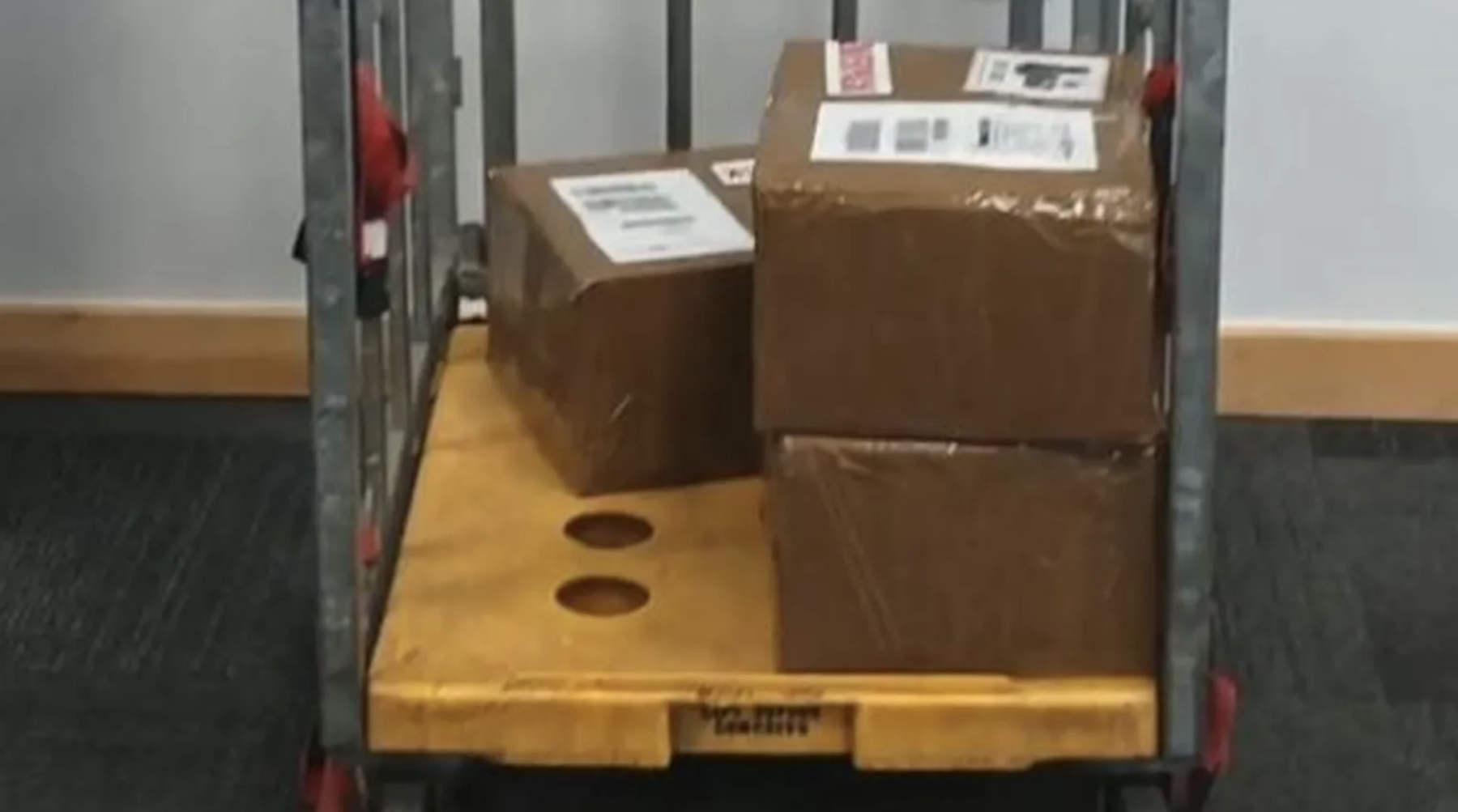
According to the Metropolitan Police, the smuggling ring had been exporting tens of thousands of stolen devices annually, accounting for nearly half of London’s phone thefts in a single year.
Police raids conducted across London and Hertfordshire resulted in 18 arrests, including two Afghan nationals and one Indian national. Over 2,000 phones were seized during the coordinated crackdown. Investigators say the operation was run with the precision of a global enterprise – with street thieves, middlemen, and international buyers each playing a defined role. Street-level offenders in London were paid around £300 per phone, while those same devices fetched as much as £4,000 apiece in China’s black market, where iPhones are particularly desirable due to their ability to bypass state-imposed internet restrictions.
“This wasn’t just petty crime – it was a highly organized, high-profit business,” said a senior Metropolitan Police officer. “We’re talking about a system where smartphones were treated like currency.” The demand in China made iPhones an especially valuable commodity, with stolen devices reprogrammed, smuggled through freight containers, and sold via underground networks to customers seeking unrestricted access to Western apps and content.
Authorities also noted a disturbing trend: many street criminals in London have shifted from drug dealing to phone theft, drawn by its lower risk and higher returns. Over the past four years, reported mobile thefts in London have tripled to more than 80,000 annually. However, law enforcement officials say that technological tools like Apple’s Find My have become crucial in tracking stolen devices and mapping criminal supply chains. In fact, since increased cooperation between Apple, carriers, and police, phone thefts have dropped by 14 percent this year.
Mayor Sadiq Khan praised the role of technology but urged smartphone manufacturers to go further. “We need devices that are truly useless when stolen,” he said, calling for companies to design systems that lock down phones permanently once reported lost. Apple’s Find My feature – which allows users to locate, lock, or erase their devices remotely – has already proven its worth in this landmark case. But experts warn that as tech improves, so will the criminals’ tactics.
The story serves as a reminder that modern crime often intersects with the same technology designed to prevent it. A single stolen iPhone ended up exposing an international criminal web – proof that even the smallest act of digital vigilance can have global consequences. For those looking to protect their own devices, Apple’s new Stolen Device Protection adds another layer of security beyond Find My, making it even harder for thieves to misuse stolen iPhones.
1 comment
Bro £300 for a phone here and £4k over there?? no wonder everyone tryna hustle