Microsoft has officially confirmed that it has removed the 10% discount on DLCs and add-ons for Xbox Game Pass subscribers, a long-standing perk that Ultimate members once considered a key value of the service. 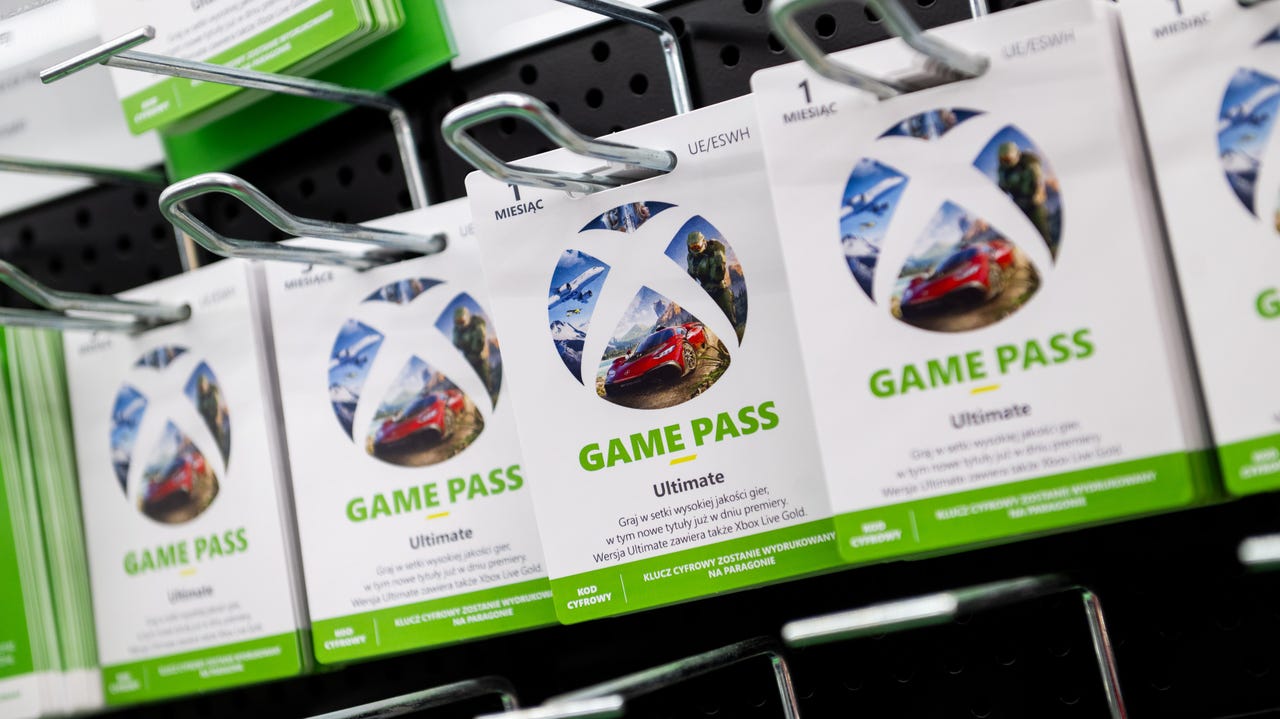
In its place, the company is introducing an increase in Rewards points, effectively redirecting the way savings work within the Xbox ecosystem.
The change came to light when members of the Call of Duty community noticed they were no longer getting their usual 10% off on COD Points and BlackCell – the premium tier of the game’s battle pass that costs $29.99 and can only be purchased with real-world currency. What initially seemed like a Call of Duty–specific tweak quickly turned out to be a platform-wide shift: the discount was removed from most Game Pass–linked DLCs across Microsoft’s store. Fans were especially frustrated that none of this was mentioned in the company’s recent announcement about raising Game Pass prices.
Microsoft has since confirmed the change in a statement to IGN, clarifying that the discount is gone for good. Instead, subscribers will now earn more Microsoft Rewards points – points that can later be exchanged for gift cards or subscriptions. The move reflects a broader shift in Microsoft’s strategy: keeping the spending cycle within its own ecosystem. Rather than offering direct cash savings, the company is giving players virtual currency they can only reinvest in the same store. It’s a clever financial loop that keeps money from ever leaving the Xbox environment.
This update caps off what many see as a bruising period for Game Pass users. The Ultimate tier’s monthly cost jumped from $19.99 to $29.99 – an increase of 50%, or an additional $120 per year. Microsoft insists the change is justified by an expanded set of benefits: 75 day-one releases per year, inclusion of Ubisoft+ Classics (valued at $7.99 per month), access to Fortnite Crew (normally $11.99 per month), and improved cloud gaming performance. The company promises that Ultimate subscribers will now enjoy higher-quality streaming, shorter queue times, and an overall smoother experience as Xbox Cloud Gaming exits beta.
While these upgrades look attractive on paper, players are questioning whether they offset the rising costs and lost perks. The removal of the 10% discount – a tangible, money-saving benefit – feels especially tone-deaf when paired with a major price hike. For many, the math doesn’t add up. The new Premium plan, previously known as Standard, will now include first-party Xbox titles within a year of release, but it notably excludes Call of Duty. That means anyone wanting day-one access to the franchise must pay for the more expensive Ultimate tier. Over twelve months, that’s $360 – and without the DLC discount, even die-hard fans are feeling squeezed.
Microsoft’s decision also comes at a time when the gaming industry is under increasing scrutiny for aggressive monetization tactics. The shift to a rewards-based savings model echoes the kind of subtle psychology used by loyalty programs in retail – offering points instead of direct discounts to create a sense of value while keeping users tied to the brand. It’s an ecosystem-first mindset, but for gamers, it’s another reminder that corporations view engagement as currency.
According to an IGN poll with over 32,000 participants, 53% said they plan to cancel Game Pass entirely, while 20% intend to stick with Ultimate despite the changes. The backlash is widespread, with long-time Xbox fans calling this the end of the service’s “best value in gaming” reputation. Some argue that Game Pass was once a disruptive force that democratized access to games – now it’s sliding into the same trap as every other subscription model: less value for more money.
Still, a portion of users remain loyal. They note that Game Pass Ultimate can still be a good deal for those who frequently try new releases or rely heavily on cloud gaming. Others are adopting a new approach – subscribing for short periods to play specific games and canceling once they’re done, effectively turning Game Pass into a rental service. Yet, for many who built their gaming habits around the promise of affordability, the sense of betrayal runs deep.
Microsoft’s shift from discounts to points may make sense from a corporate perspective, but it marks a philosophical break with what made Game Pass so appealing in the first place. It’s no longer about giving players flexibility or savings; it’s about locking them into an ecosystem that promises rewards tomorrow for the full price you pay today. And for a growing number of Xbox fans, that future feels less like a reward – and more like a ripoff.
2 comments
lol at the corporate spin. ‘we’re rewarding players’ = we’re charging more and giving you monopoly money
i used to defend gamepass but 30 bucks a month? nah that’s too much. rewards points are useless lol