Sony is once again shaking up the smartphone world – and this time, it’s not about fancy camera sensors or audio tweaks. The Japanese tech giant has quietly made a decision that could set a new industry trend: the Sony Xperia 10 VII ships without a USB cable in the box. Yes, you read that right – not just the charging brick, which disappeared years ago, but now the cable itself is gone too.
It’s a move that echoes Apple’s controversial decision back in 2020, when the iPhone 12 arrived without a charger, igniting debates over environmental motives versus corporate cost-cutting. 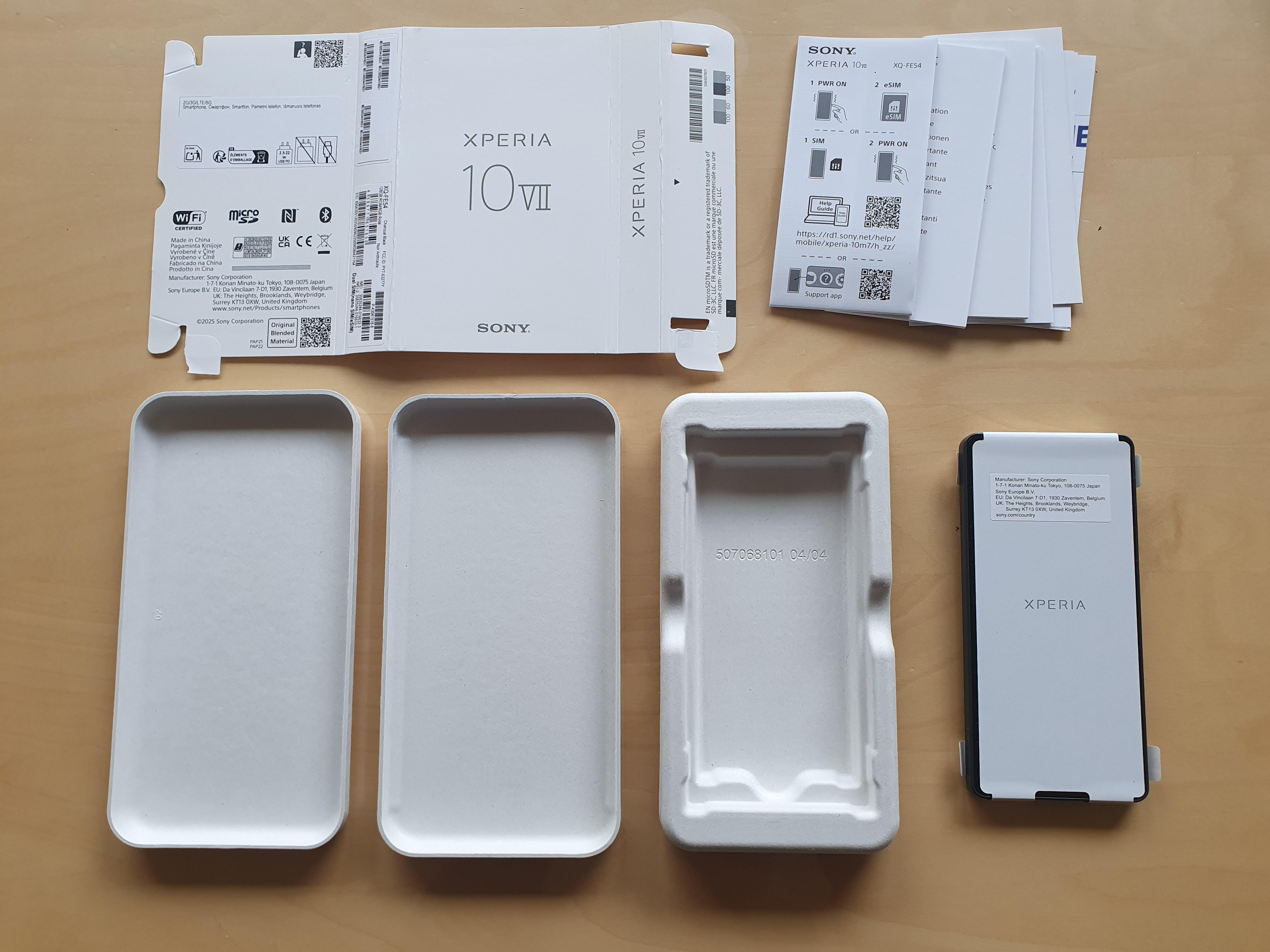
Five years later, Sony is the first to take that next step – a box containing only the phone and paper manuals, with a small icon confirming the absence of a cable. A Reddit user recently posted a photo of the Xperia 10 VII packaging, and it’s as minimal as it gets: no cords, no extras, just the essentials. Sony’s reasoning? According to the company, it’s part of a broader effort to reduce e-waste and carbon footprint. But skeptics can’t help noticing that it also trims manufacturing and shipping costs.
From a business standpoint, it makes sense. Most consumers already own several USB-C cables from previous devices – phones, tablets, earbuds, laptops – so in theory, few people need another one. Environmentally, the argument holds water: fewer accessories mean less plastic, smaller packaging, and more efficient logistics. But for many users, it’s also a signal that the era of truly complete smartphone packages is ending. Soon, you might be buying not just your charger separately, but even your first cable too.
Apple may have paved the path, but Sony’s step is bolder. Even Apple still includes cables with its iPhones. However, its recent accessories like the AirPods Pro 3 and AirPods 4 come without a USB-C cable, hinting that other brands could soon follow Sony’s lead. If history repeats itself, Samsung’s Galaxy S26 or Apple’s future iPhone 18 might soon be joining the no-cable club.
Still, there’s one major inconvenience with this approach – the chaotic world of USB-C standards. Two cables may look identical, but their capabilities differ wildly. Some support ultra-fast charging and high-speed data transfer, while others barely manage a trickle. Without a guaranteed cable in the box, consumers will need to be extra cautious about what they buy. Mismatched cables could mean slower charging, weaker performance, or frustration for users who just want their devices to work seamlessly.
Yet, despite the potential annoyance, the backlash might not be as loud this time. Many users are already stocked with USB-C accessories. For households filled with laptops, tablets, and phones sharing the same port, the change could even go unnoticed. But symbolically, it marks the end of an era – the moment when even a basic USB cable is no longer guaranteed with your new smartphone. Whether you see that as a sign of environmental progress or corporate thrift, one thing is clear: Sony just gave the industry permission to make the minimalist box the new normal.
1 comment
this is def just cost cutting disguised as ‘eco friendly’