Apple appears to be entering the smart glasses market – but in a very Apple-like way: cautiously, methodically, and focused on practicality before full immersion. According to Bloomberg’s Mark Gurman, the company is preparing to unveil its first pair of smart glasses in 2026, but surprisingly, the first generation won’t feature an augmented reality (AR) display. Instead, these glasses will focus on useful everyday features such as making calls, snapping photos, and accessing quick information without pulling out an iPhone.
This strategic move suggests Apple is taking a two-stage approach. 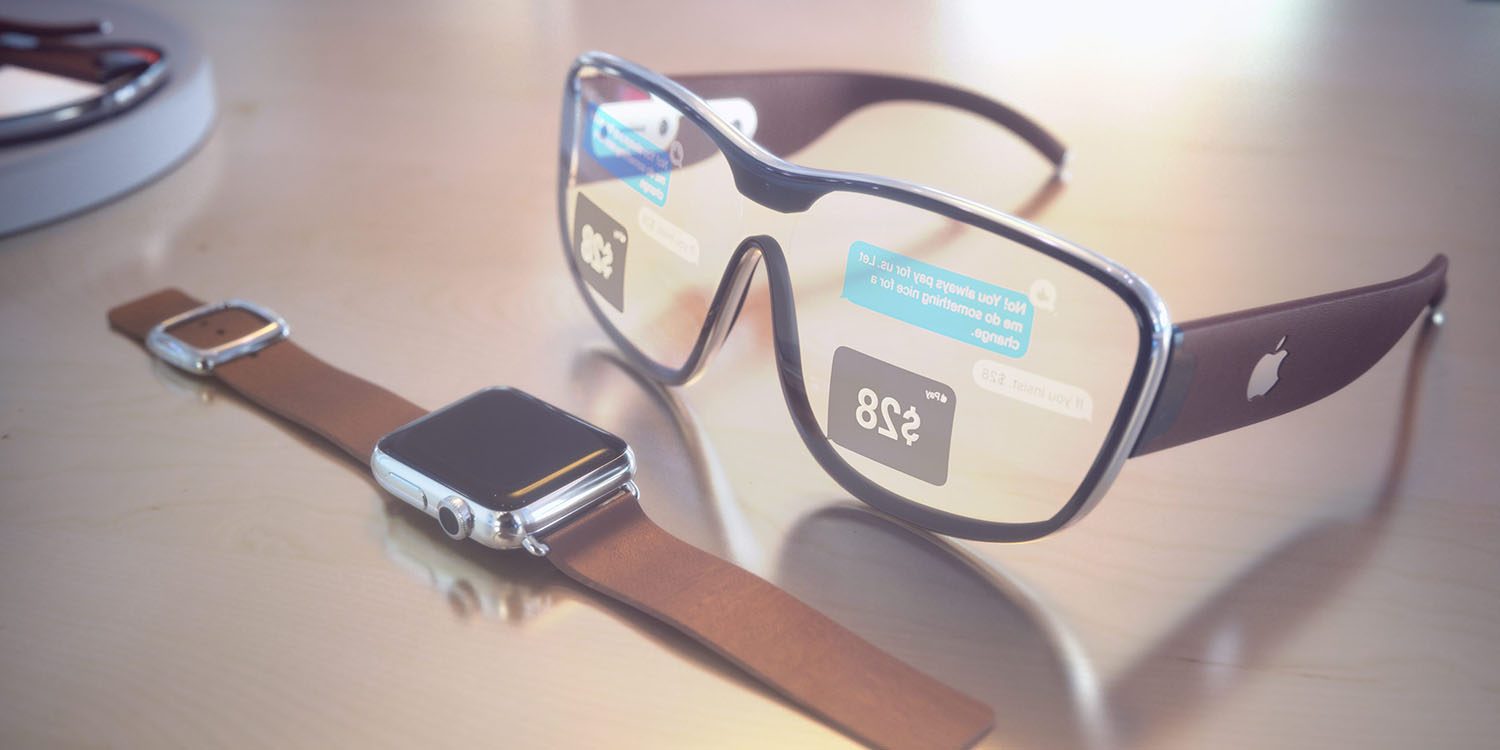
The first model will lay the foundation for Apple’s wearable ecosystem, while the true AR experience will debut in a second-generation version, likely a year or two later. By doing this, Apple avoids overpromising early while still entering the race against Meta, which has already made progress with its own line of smart glasses developed with Ray-Ban. In fact, Apple is said to have redirected engineering talent and resources from the Vision Pro project to accelerate development of these new glasses – a sign that the company sees significant potential in the category.
While Gurman did not specify the exact announcement month, insiders expect a reveal sometime in 2026, with retail availability following in 2027. This timeline mirrors the rollout of the Vision Pro headset, allowing Apple to give developers time to adapt or create apps that will later integrate seamlessly with the glasses. But there’s one major catch: the absence of an AR display in the first release may disappoint fans who’ve long dreamed of Apple’s take on heads-up, holographic-style interfaces.
Instead, Apple’s initial product may act more like a refined, voice-controlled assistant that blends fashion and utility. Think of a sleek pair of glasses that let users answer calls, trigger Siri, control music, or capture moments hands-free – all powered by a lightweight 2nm processor from TSMC. Apple has reportedly locked down over half of TSMC’s early N2 production, ensuring it secures the most efficient and powerful chips available. Compared to the 3nm N3P process, the N2 node promises up to 10% better performance and 20% more energy efficiency – crucial for keeping such a small device cool and compact.
Just a few years ago, the idea of glasses running iPhone-level tasks seemed impossible due to heat and battery constraints. But TSMC’s cutting-edge lithography now makes that vision feasible. The smaller, more efficient chips allow Apple to maintain its trademark minimalism while avoiding bulky battery packs or awkward thermal vents. Early prototypes reportedly weigh little more than regular eyewear, signaling a strong focus on comfort and wearability.
Still, the lack of an AR display means Apple’s first smart glasses may not immediately satisfy enthusiasts hoping for digital overlays or immersive navigation. For those futuristic experiences, users will likely have to wait for the second-generation model. If Apple maintains its usual refinement cycle, that could arrive around 2028. When it does, the combination of powerful silicon, miniaturized sensors, and Apple’s software ecosystem could make the jump from a stylish accessory to a truly transformative AR device.
For now, 2026’s Apple smart glasses seem designed to introduce the concept – a wearable extension of the iPhone experience rather than a revolutionary shift. But make no mistake: Apple’s quiet entry into the space could redefine what consumers expect from everyday tech accessories. Just as the Apple Watch began as a fitness tracker before evolving into a health powerhouse, these glasses may start simple but end up shaping the next era of personal computing.
3 comments
no AR screen? kinda disappointing ngl 😕
first gen always a teaser, waiting for the real AR version
apple watch 2.0 vibes, starts small then blows up later