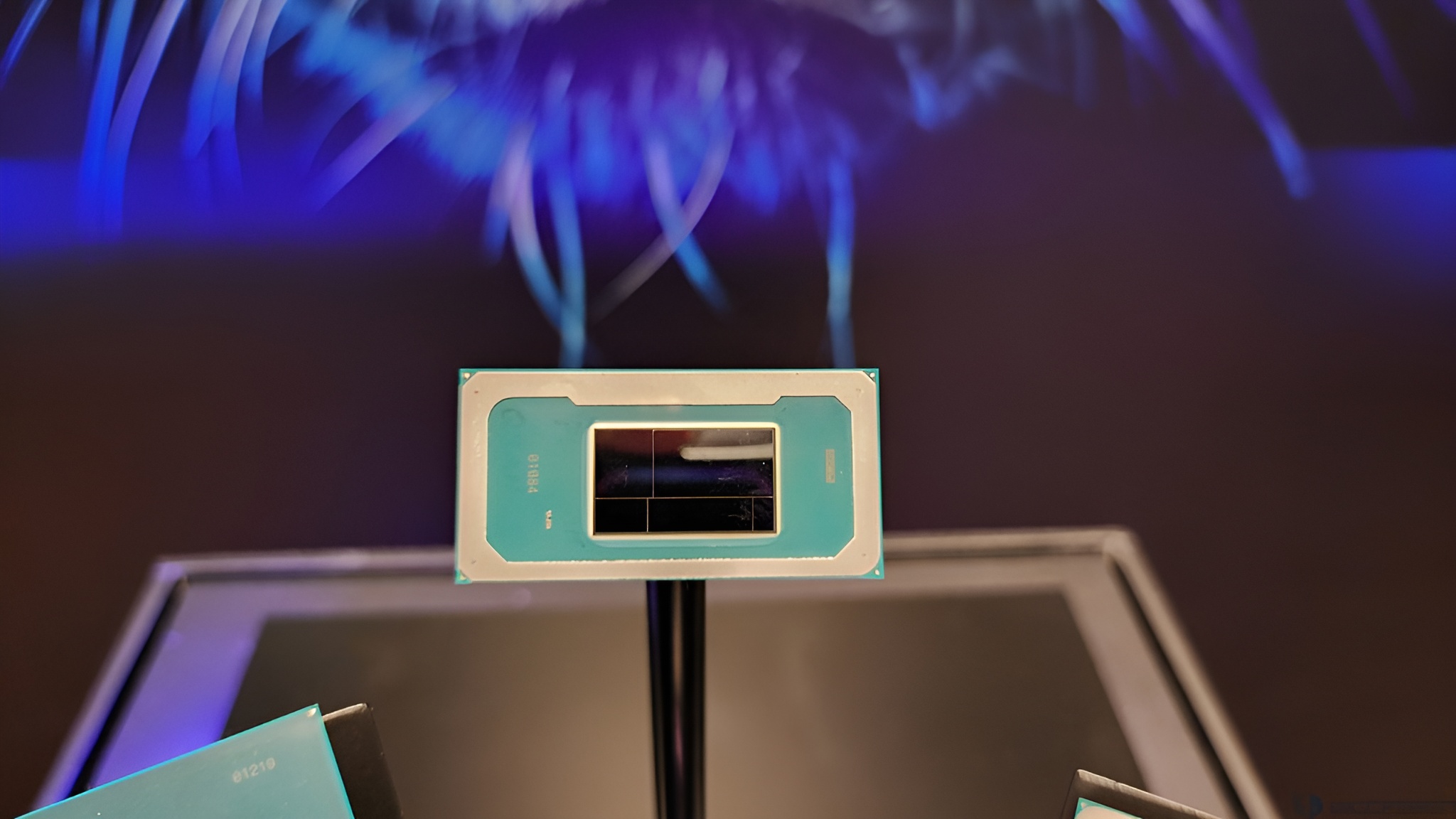
Intel’s Panther Lake CPUs Aim to Perfect Hybrid Computing with Major Efficiency and Performance Gains
Intel’s next-generation Panther Lake processors are shaping up to be one of the company’s most ambitious leaps in hybrid architecture. As the official launch nears, the chipmaker is proudly calling Panther Lake its “most refined” design yet – a culmination of lessons learned from Lunar Lake, Alder Lake, Meteor Lake, and earlier hybrid experiments that combined high-performance (P) cores with power-efficient (E) cores.
According to Intel engineers, who recently shared insights in a detailed ‘Hybrid Compute’ video, the Panther Lake family is not just another incremental upgrade – it’s a rethinking of how hybrid cores can deliver desktop-class power in thin, mobile-friendly systems. This generation emphasizes seamless workload division, smarter scheduling, and dramatic improvements to battery endurance, all tailored for the modern mobile computing landscape.
Jim Johnson, Intel’s GM and VP of Client Computing Group, described Panther Lake as the natural evolution of what began with Lunar Lake. “With Lunar Lake, we proved the concept – a chip that performs beautifully in a sleek, almost phone-like form factor,” Johnson explained. “Panther Lake builds on that by making hybrid computing more adaptable, giving OEMs like Microsoft and Lenovo the freedom to integrate these CPUs into devices designed their way, not ours.”
This flexibility is at the core of Intel’s new strategy. The company wants its chips to fit seamlessly into diverse ecosystems rather than forcing manufacturers to build around Intel’s reference designs. Panther Lake’s optimized P-core and E-core balance allows for deeper OEM customization – meaning users could soon see a wider variety of laptops and compact PCs, each tuned for different priorities like battery life, thermal headroom, or gaming power.
But the biggest headline is performance-per-watt. Intel promises that Panther Lake will not only retain Lunar Lake’s impressive battery life but actually extend it, even under heavier workloads. This is made possible by smarter task delegation – E-cores now handle low-intensity processes without waking up power-hungry fabrics, while P-cores fire up only when high-performance tasks demand it. This dynamic orchestration is managed by the latest iteration of Intel Thread Director, which uses machine learning to predict and optimize task allocation in real time.
The architectural refinements run deep. Intel has reworked the internal scheduling and cache interactions, reducing latency between core types. The company’s engineers highlighted new ‘zoning’ concepts, where operating system tasks are compartmentalized to avoid unnecessary system-wide wake-ups. It’s a subtle but powerful optimization – one that could drastically improve responsiveness and efficiency in everyday computing.
Intel also confirmed that software plays an equal role in this leap forward. The firm is investing heavily in collaboration with OS developers to make sure Panther Lake’s hybrid features are fully leveraged from day one. This partnership ensures that Windows and other major platforms will dynamically understand which cores to wake, when to throttle, and how to sustain performance without sacrificing endurance.
For end users, this translates to faster multitasking, quieter operation, and longer unplugged sessions – the trifecta that defines premium laptops today. For professionals, gamers, and creators, Panther Lake is expected to offer substantial throughput gains, enabling heavier AI workloads, faster rendering, and richer real-time collaboration experiences.
In short, Panther Lake represents Intel’s confidence that hybrid computing has matured from an experimental architecture into a cornerstone of the company’s long-term CPU strategy. The upcoming launch won’t just be a product release; it’s a declaration that Intel has refined the balance between performance and efficiency to near perfection. Expect it to mark the beginning of a new era in how mobile and ultrathin PCs perform under real-world demands.
1 comment
finally intel focusing on mobile battery not just raw power