Google’s Pixel series has only just welcomed the Pixel 10, but the rumor mill is already churning with speculation about its successor. The Pixel 11 could represent a pivotal shift in Google’s hardware strategy, as reports suggest the company may once again part ways with Samsung and adopt a MediaTek modem instead. 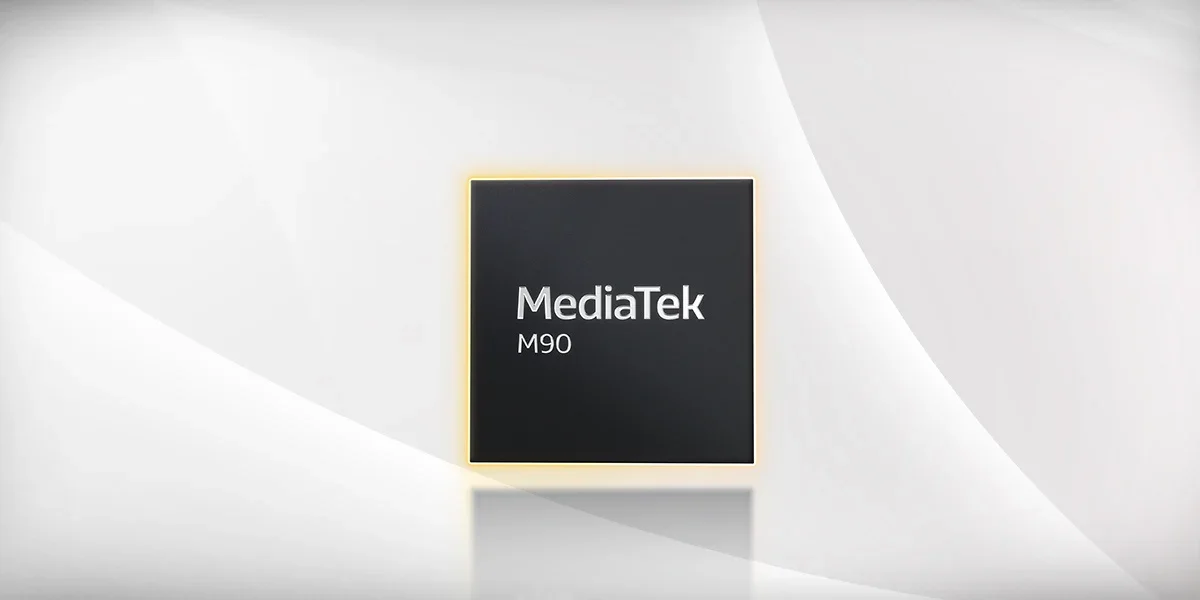
If true, this move would not only mark a break from past decisions but could also significantly shape the performance and connectivity experience of the upcoming flagship.
From Samsung to MediaTek?
At the heart of the speculation is Google’s alleged decision to drop Samsung’s Exynos 5400i 5G modem, which currently powers the Tensor 6 chipset inside the Pixel 10. According to a leak from Mystic Leaks, Google is considering replacing it with the MediaTek M90 modem in the Pixel 11. The M90 was unveiled earlier this year at the Mobile World Congress, and MediaTek claims it brings substantial upgrades: dual 5G SIM support, dual-active connections with simultaneous data use, AI-driven energy efficiency, and download speeds reaching up to 12Gbps. These figures, if accurate, could position the Pixel 11 as one of the fastest phones on the market in terms of raw modem capability.
A Rumor That Refuses to Die
This isn’t the first time we’ve heard whispers about MediaTek modems in Google’s Pixel lineup. Back in 2023, similar reports hinted at a MediaTek-powered Pixel 10. That never happened – the Pixel 10 stuck with Samsung hardware, much like the Pixel 9 before it. But the fact that the rumor has resurfaced, with specific details about the M90 modem, gives it fresh weight. If Google follows through this time, it could finally signal a major diversification away from Samsung’s components.
Another Hit for Samsung
The implications for Samsung are noteworthy. Google has already started shifting away from Samsung’s foundry, opting to have its Tensor G5 chips manufactured by TSMC rather than Samsung. Losing another contract in the modem space would be another setback for Samsung’s semiconductor division, especially as competition in the 5G market grows fiercer. Interestingly, Samsung itself relies on Qualcomm modems for its flagship Galaxy S25 phones, underscoring the difficulty of competing with leaders like Qualcomm and MediaTek in this arena.
The Broader Industry Picture
Google isn’t the only company rethinking its modem strategy. Apple has been busy developing its in-house C1 and C1X modems, used in models like the iPhone 16e and iPhone Air. While Apple’s iPhone 17 family still relies on Qualcomm, early leaks suggest the iPhone 18 could fully embrace Apple’s own silicon. Meanwhile, Samsung is reportedly preparing to bring back its own Exynos chipsets with the Galaxy S26, potentially the Exynos 2600, in an attempt to regain some independence from Qualcomm.
What Really Matters to Users
While average smartphone users rarely obsess over which modem is inside their device, the reality is that modem performance directly impacts everyday experiences: call reliability, download speeds, latency in online gaming, and, perhaps most importantly, battery life. Google’s potential switch to MediaTek could deliver tangible improvements in these areas. If MediaTek’s AI-assisted power management works as advertised, Pixel 11 owners may enjoy faster 5G speeds without paying the price in battery drain – a balance that many smartphone makers have struggled to achieve.
At the end of the day, most people won’t care if the Pixel 11 is powered by Samsung, Qualcomm, or MediaTek. What they will care about is whether the phone connects faster, holds signal longer, and lasts through a busy day without constant charging. If the Pixel 11 with a MediaTek modem can deliver those results, Google could win not just tech headlines, but also the hearts of everyday users.
1 comment
as long as it plays my games without lag im fine