The Nintendo Switch 2 continues to generate heated discussion, not only for its rumored specs but also for how it integrates NVIDIA’s DLSS technology. 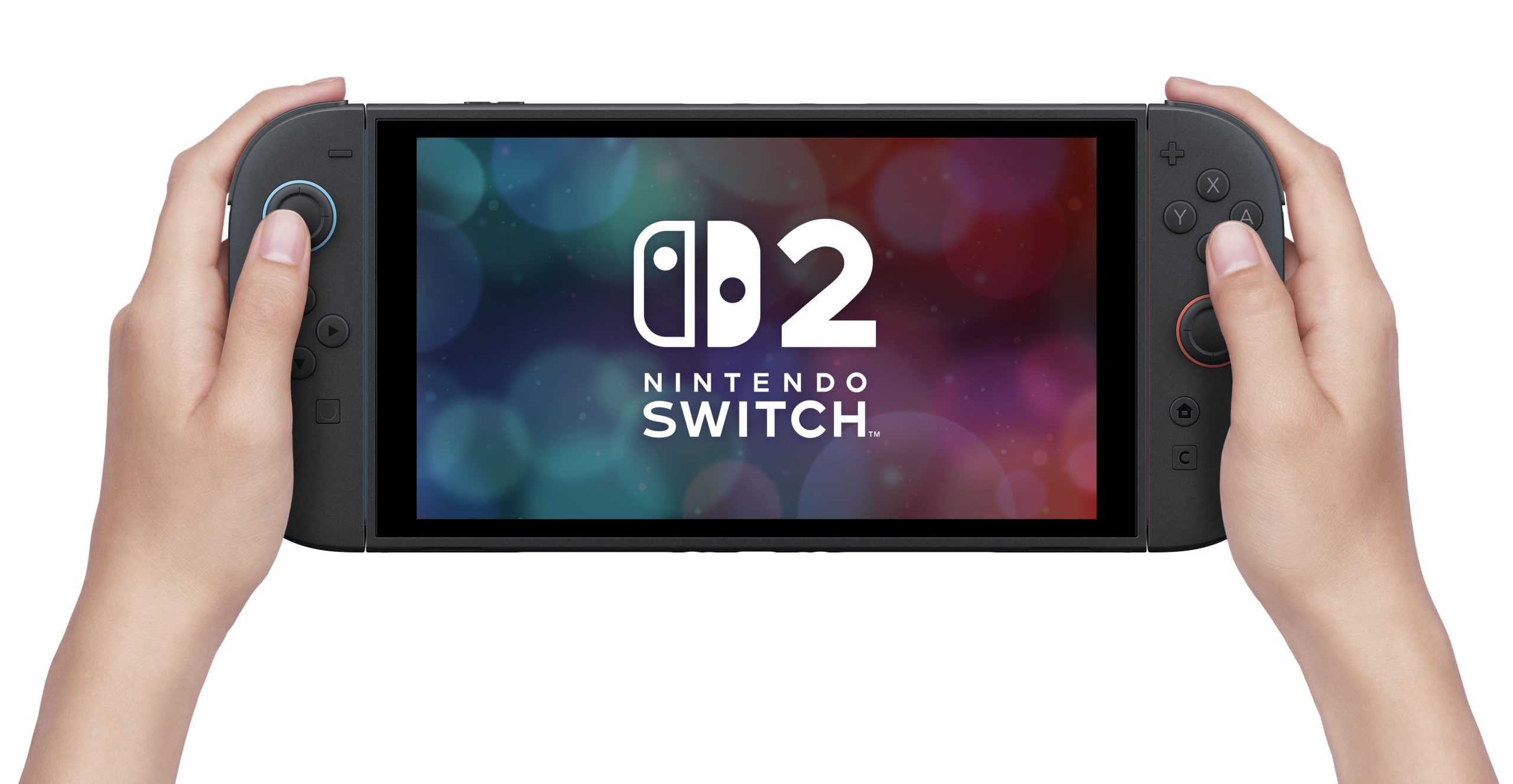
A fresh breakdown by Digital Foundry’s Alex Battaglia sheds light on how the system appears to support not just one, but two distinct flavors of NVIDIA’s upscaling tech – a detail that has major implications for both performance and visual fidelity.
According to Battaglia’s analysis, Switch 2 titles like Cyberpunk 2077, Street Fighter 6, Hogwarts Legacy, Star Wars Outlaws, The Touryst, and Fast Fusion demonstrate the use of DLSS in different forms. The first version, which closely resembles the convolutional neural network (CNN) model seen on PC, focuses on achieving a balanced visual output. It provides anti-aliasing during motion and transitions, maintains cleaner image reconstruction, and handles disocclusion – how new elements enter or leave the screen – with consistent stylisation. On Switch 2, however, this full-scale DLSS model has so far only been applied to games targeting upscaling to 1080p, largely due to the significant processing demand.
Then there’s the so-called DLSS “light” mode – long rumored, now effectively confirmed. Unlike the CNN model, this variation sharpens static images with impressive clarity, but sacrifices stability when things start moving. During camera cuts and fast motion, the upscaler seems to disengage, exposing raw, unrefined pixels. This lightweight version is particularly favored in scenarios where resolution is pushed beyond 1080p, since the Switch 2’s mobile-grade hardware would otherwise buckle under the frame-time cost of full DLSS. Notably, developers indicate that this lighter model requires about half the processing budget of the traditional CNN-like implementation, making it feasible for games that want to target higher resolutions without tanking performance.
Digital Foundry even corroborated findings with an industry developer, who confirmed that both variants of DLSS exist on Switch 2 with different presets. This dual-approach upscaling system suggests Nintendo and NVIDIA prioritized flexibility: give devs the option to choose between better motion handling at lower resolutions, or sharper stills when aiming higher. While this trade-off might sound disappointing, it’s worth remembering that the Switch 2 is the first handheld console ever to feature DLSS – a remarkable milestone for a portable platform.
For now, only third-party studios have embraced DLSS on the system. That’s likely because Nintendo’s in-house engines need additional adaptation to fully take advantage of the tech. If future first-party titles manage to integrate DLSS more deeply, the results could push the hybrid console well past its expected limits. But as things stand, the mixed bag of DLSS implementations has left some gamers skeptical: some see it as an impressive compromise for handheld hardware, while others feel it highlights the system’s inevitable performance bottlenecks.
Ultimately, the Switch 2’s DLSS story is one of trade-offs. On one hand, you get an innovative handheld that dares to integrate modern AI-powered graphics technology. On the other, you face a split between a “full-fat” model that can’t stretch past 1080p smoothly and a “light” version that falters during motion. Whether fans view this as a bold step forward or a letdown will depend on how future titles manage to balance visuals with fluid performance.
1 comment
the more i hear about this console the worse it sounds lol