The Google Pixel 10 lineup is already official, but the real test of Google’s strategy in 2026 will come with the arrival of the more affordable Pixel 10a. Every year, Google faces the challenge of balancing performance, design, and affordability in its A-series devices. For many buyers, the Pixel 10a won’t just be a cheaper Pixel – it will be the entry point into Google’s ecosystem. That’s why the expectations around this phone are so high, and why some rumored compromises feel worrying. 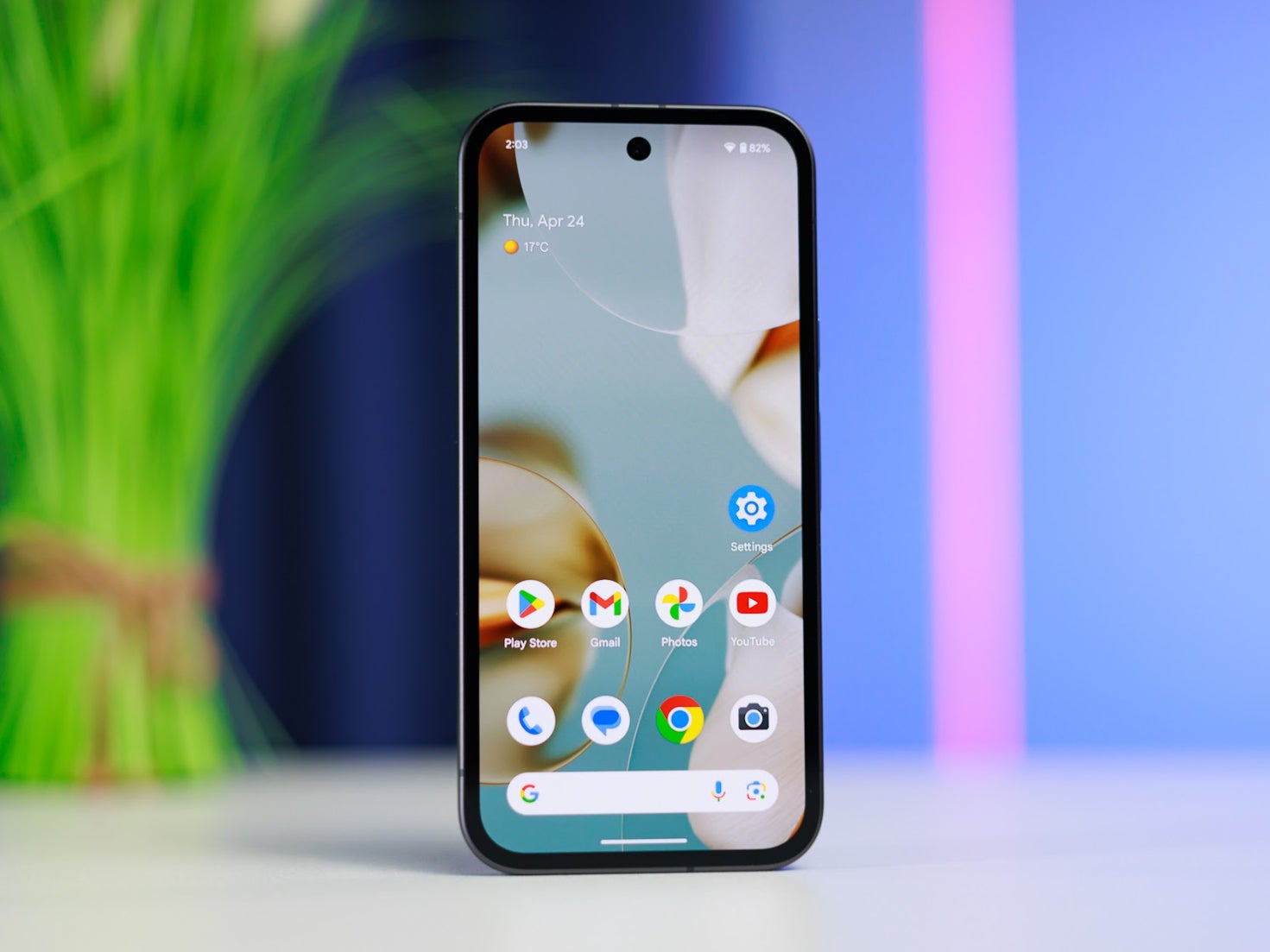
If Google wants the Pixel 10a to succeed, three key features could make or break its appeal.
AI tools shouldn’t be reserved for the premium models
When the Pixel 10 series was revealed, much of the spotlight fell on the new Gemini-powered AI tools, especially Magic Cue and Camera Coach. Magic Cue acts as a proactive assistant that anticipates what you might need instead of waiting for you to ask. It could remind you of tasks, suggest the best route before you leave the house, or offer context-sensitive help while you’re working. Camera Coach, on the other hand, functions like a built-in photography tutor, guiding users on framing, lighting, and focus adjustments to get the best possible shot in any environment.
Here’s the concern: leaks suggest that the Pixel 10a might ship with the Tensor G4 chip rather than the newer G5. If true, that could mean no access to these flagship AI features. Google has been pushing its AI capabilities aggressively in marketing, positioning them as the future of smartphones. For many users, excluding them from the budget model will feel like a betrayal. Even buyers who claim not to care much about AI may rethink their purchase if they realize they’re missing out on half the fun of owning a Pixel. After all, what good is a ‘Google phone’ if it doesn’t showcase Google’s best software innovations?
A display that feels modern, not outdated
A smartphone’s display is the window through which we experience almost everything: apps, photos, videos, messages, even the AI features Google is so proud of. The Pixel 9a’s display wasn’t bad on paper, with solid resolution, refresh rate, and brightness. But visually, its chunky bezels made the device look like a relic from an earlier era. Budget phone or not, design matters – first impressions matter. In 2026, the Pixel 10a will likely go head-to-head with competitors like the iPhone 17e and Samsung Galaxy S26 FE. If the Pixel 10a still looks dated next to them, it will struggle to justify itself, even at a lower price.
No one expects Google to give the Pixel 10a razor-thin bezels like a $1,000 flagship, but there’s a middle ground between cost-cutting and aesthetics. A cleaner, slimmer frame and reduced bezels would help the 10a look current and appealing without dramatically increasing production costs. For a phone that’s supposed to democratize the Pixel experience, design upgrades are a must.
The battery must keep up with the times
Battery life is another area where compromises can sink a phone. The Pixel 9a actually surprised many by including a larger 5,100 mAh battery – bigger than the standard Pixel 9’s 4,700 mAh cell. The new Pixel 10 comes with 4,970 mAh, which is serviceable but hardly groundbreaking in an era when rival phones boast massive 8,000 mAh or even 10,000 mAh capacities. With more consumers expecting all-day endurance plus heavy usage for gaming, streaming, and AI tasks, battery life is non-negotiable.
Some industry trends are concerning: slimmer, lighter phones with smaller batteries have become fashionable. Apple’s iPhone Air and Samsung’s Galaxy S25 Edge embraced this design-first approach, and other brands like Motorola and Tecno followed. But for the Pixel 10a, chasing slimness at the expense of power would be a mistake. At the very least, the 10a should retain the Pixel 9a’s 5,100 mAh battery, ideally pushing beyond it. After all, this is the A-series – a device aimed at practicality, not just style.
What doesn’t matter as much
Some features can stay the same without damaging the Pixel 10a’s prospects. If the phone keeps the same exterior design, the same display size of 6.3 inches, or the same camera hardware, it wouldn’t be a deal-breaker. The dual speakers, weight, and resolution could also remain unchanged. None of these will single-handedly define whether the 10a succeeds or fails.
The truth is, most buyers don’t expect perfection in every category from a mid-range phone. What they do expect is a balanced experience that feels modern and future-ready. Right now, the essentials boil down to three things: Google’s AI suite, a presentable display, and a dependable battery. If the Pixel 10a delivers on those fronts, it will have a fighting chance in a crowded mid-range market. If not, it risks becoming just another forgettable budget phone lost in the shuffle.
For Google, the 10a is more than just another product launch. It’s a statement about whether the company truly wants to bring its most innovative ideas to everyone – or whether those remain locked behind the glass walls of premium pricing.
3 comments
if it doesnt have the ai stuff then whats even the point lol
AI features should not be only for rich ppl phones
bezels on 9a looked like 2017 phone, pls fix it google