Two weeks after Apple launched its iPhone 17 lineup, the sales picture is both promising and uneven. On the one hand, the iPhone 17, iPhone 17 Pro, and iPhone 17 Pro Max are reportedly selling at levels that even Apple didn’t fully anticipate. Analysts at Morgan Stanley noted that demand for these core models has been “modestly stronger” than their own early forecasts, citing supply chain checks and shipping estimates as indicators. 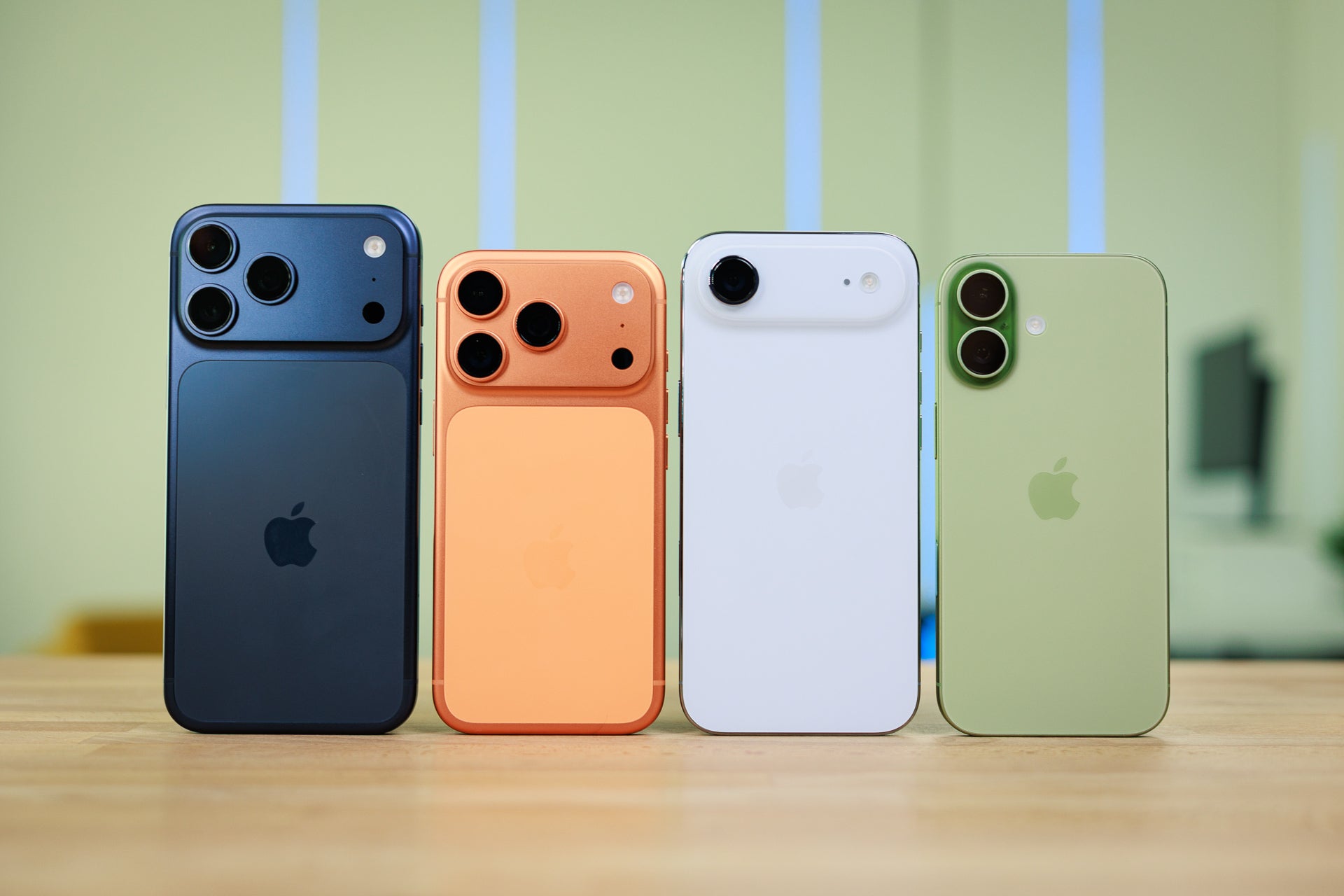
This unexpected strength is fueling optimism that the iPhone 18, due in 2026, could benefit from a massive wave of upgrades from customers still holding onto older devices.
Yet, not every new iPhone is enjoying the same reception. The iPhone Air – Apple’s ultra-thin experiment meant to follow the trend of slimming down devices – appears to be flopping. While it stands out visually, its compromises are significant. The absence of a China release alone restricted one of Apple’s most crucial markets. Beyond that, many users are pointing to practical frustrations: the Air has a smaller battery than most are comfortable with, weaker overall performance, and a confusing price position. For about $200 more than the standard iPhone 17, buyers get a sleeker shell but fewer features, while for another $100–200 they can leap to the Pro or Pro Max with advanced cameras, displays, and battery life. It’s a pricing ladder that makes the Air look awkward in the lineup rather than aspirational.
The irony is that Apple likely envisioned the iPhone Air as a stylish niche product for those who prioritize form over function, echoing similar industry experiments like Samsung’s Galaxy S25 Edge. But unlike those devices, the Air lacks a standout innovation that might justify the trade-offs. In an age where consumers demand endurance and capability, shaving off millimeters in thickness simply doesn’t seem like a winning strategy. As one tech observer put it, the Air probably deserved its own launch event to highlight its uniqueness, instead of being buried next to three more powerful models that outshine it in every metric.
Looking forward, Apple’s real bet lies with the iPhone 18 family and an expanded 2026 lineup that could include as many as six different devices – from a follow-up to the Air, to the rumored iPhone Fold, to lower-priced variants like the 17e. Analysts believe the momentum of the iPhone 17 will carry through, especially as millions of owners of aging iPhones reach the natural upgrade cycle. But if Apple doesn’t rethink the Air’s positioning, it risks repeating what many are already calling a clear misstep.
For now, the results are unsurprising: the mainstream iPhone 17 models are thriving, the Air is dragging, and Apple faces a decision on whether its thinnest phone can survive in a market that increasingly values durability, performance, and value over sheer aesthetics.
1 comment
haha Tuga prob smashing his keyboard rn