Ubisoft has officially unveiled the identity of its much-discussed new subsidiary, introducing Vantage Studios as the banner under which some of its most iconic franchises – including Assassin’s Creed, Far Cry, and Rainbow Six – will now reside. This announcement comes more than six months after news broke that Tencent, the Chinese publishing giant, would invest 1.16 billion euros to secure a 25% minority stake in the new entity. 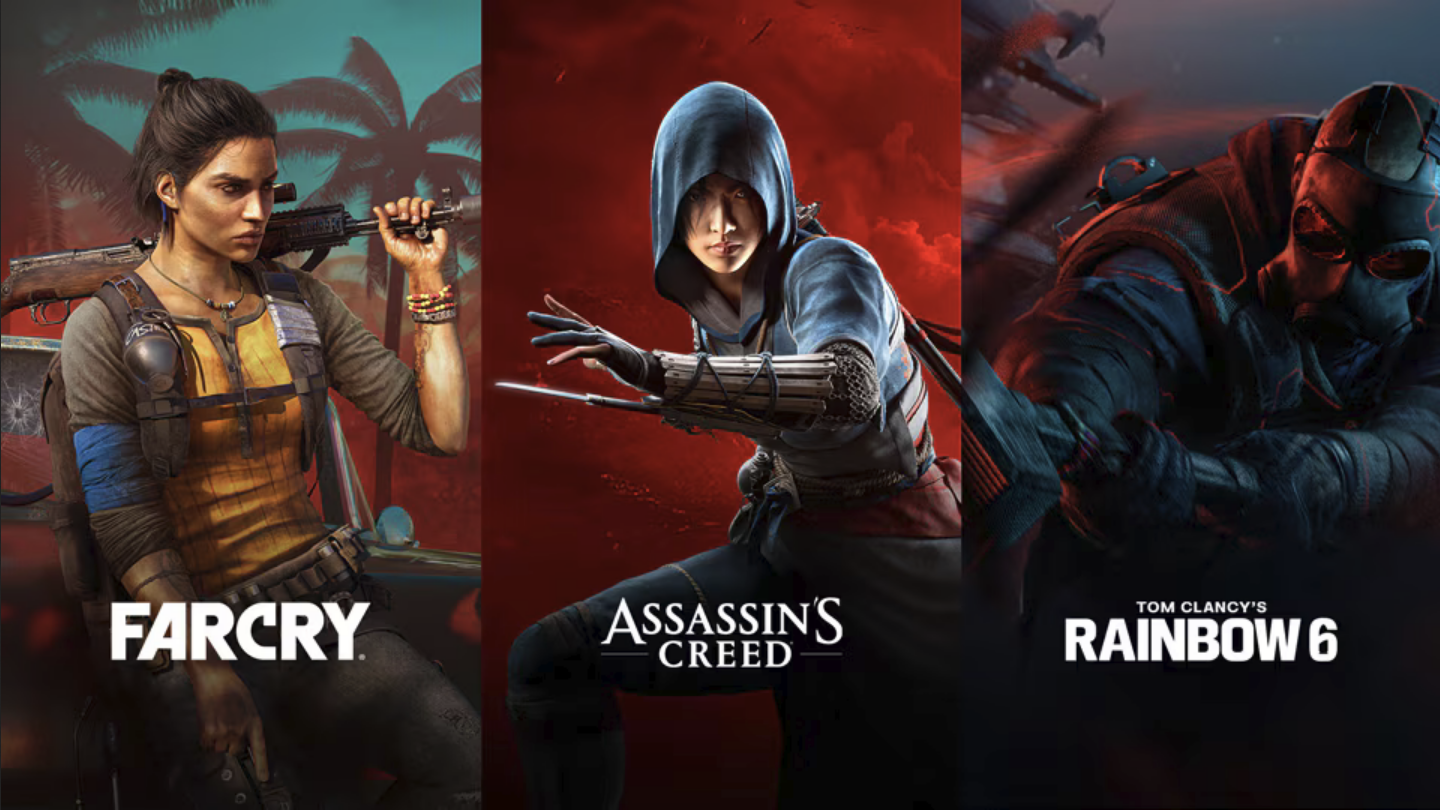
The revelation has sparked industry-wide attention, not only for the branding itself but for what it signals about Ubisoft’s long-term strategy and its evolving relationship with global investors.
Vantage Studios, described by Ubisoft as a new “creative house,” is positioned as both a consolidation and a reimagining of the way Ubisoft manages its flagship properties. The company insists that the goal isn’t to dilute the Ubisoft brand, but rather to empower developers with greater creative autonomy, while still benefiting from the technical and organizational backbone that Ubisoft has built over decades. In practice, this means Vantage will spearhead work on narrative-heavy experiences, push deeper into multiplayer and live-service models, and significantly expand Ubisoft’s mobile division – all areas where the publisher has been both ambitious and uneven in execution.
Leadership is firmly in the family: Vantage Studios will be co-led by Charlie Guillemot – son of Ubisoft CEO Yves Guillemot – alongside Christophe Derennes. This choice underscores the Guillemot family’s intent to retain a strong guiding hand in Ubisoft’s future, even as outside investors like Tencent gain influence. In fact, the setup suggests that Ubisoft is preparing for a future where the company name itself is not stamped on every project. Instead, players may encounter releases from Vantage Studios directly, potentially without the “Ubisoft” label on the box. It’s a structure reminiscent of how Activision operates with its Call of Duty partners like Treyarch or Raven Software.
The scope of Vantage Studios is vast from day one. Teams from Ubisoft’s hubs in Montréal, Quebec, Sherbrooke, Saguenay, Barcelona, and Sofia – thousands of developers who have collectively delivered some of Ubisoft’s best-selling titles – are now folded into the Vantage banner. These groups are expected not just to maintain the status quo but to reimagine how Ubisoft connects with its audiences. A key promise is shortening the feedback loop between players and developers, giving creative teams more direct input while leveraging Ubisoft’s existing technology, services, and pipelines.
Perhaps more significantly, Ubisoft has hinted that Vantage is not the end but the beginning. The company plans to establish additional creative houses in the years ahead, each tailored to different IP clusters. While it’s not yet clear which franchises will be assigned to these future entities, the move paints a picture of Ubisoft reshaping itself into a constellation of semi-independent studios, bound by a shared DNA but distinct in identity. This could mean, for instance, a standalone house for the Watch Dogs or The Division franchises down the line, each with its own investors and leadership team.
Still, the news comes at a turbulent time. Ubisoft endured a rough 2024, with underperforming releases and a global games market that continues to struggle with shifting consumer expectations, ballooning development budgets, and fierce competition. Handing more control to creative houses like Vantage is Ubisoft’s bid to turn the tide – to become more nimble, more responsive, and perhaps more daring in its creative output.
For players, this restructuring could have immediate consequences. Future Assassin’s Creed installments may appear under the Vantage Studios label, and depending on how Ubisoft positions its branding, many fans may not even see the Ubisoft logo up front. This represents a cultural shift, where recognition of sub-studios like Vantage could become as important as the Ubisoft name itself, echoing how certain EA or Activision teams are celebrated in their own right.
What remains to be seen is whether this shift will satisfy fans increasingly skeptical of big publishers. With Tencent’s growing stake and influence, concerns about creative freedom and cultural direction loom large. Yet Ubisoft frames the deal as a way to preserve independence while modernizing its business. Time will tell if Vantage Studios becomes synonymous with a creative renaissance or another chapter in Ubisoft’s long struggle to balance artistry with profitability.