Apple’s upcoming M5 iPad Pro has sparked fresh discussions among enthusiasts and professionals alike, not because of any radical redesign, but due to the subtle and thoughtful changes that reflect Apple’s long-standing strategy of iterative refinement. 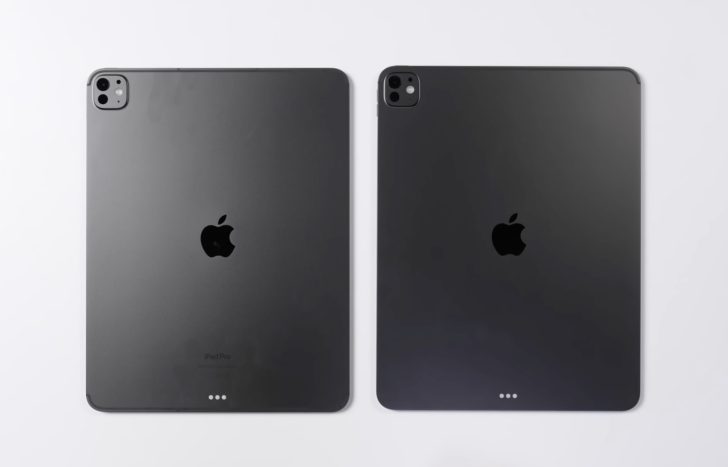
At first glance, the device looks nearly indistinguishable from the M4 iPad Pro, yet once you dive deeper into the details, the distinctions become clear – and they matter.
Apple has always walked a careful line between innovation and familiarity. Unlike competitors who often chase bold redesigns, the Cupertino giant prefers to polish and streamline existing ideas, ensuring a seamless evolution for its users. The M5 iPad Pro is no exception. Though early leaks and unboxing videos primarily from Russian creators on YouTube suggest that changes may appear minimal, they highlight a set of refinements that could enhance everyday use in subtle yet meaningful ways.
A Cleaner, Minimal Back Design
One of the most noticeable differences between the two generations lies on the back of the device. With the M5 iPad Pro, Apple has removed the regulatory markings and even the familiar “iPad Pro” branding. What remains is a lone Apple logo, standing confidently without additional clutter. This minimalist approach continues Apple’s broader design language that celebrates clean lines and elegance over noisy detail. For users, the effect is subtle, but it conveys a sleeker, more professional aesthetic that fits into Apple’s premium product vision. It should be noted, however, that these details may vary between leaked pre-production units and the final retail product. Still, it’s a clear sign of Apple’s intent to push minimalism further.
Dual Front Cameras for Modern Workflows
The front side of the M5 iPad Pro brings a more practical upgrade. While the M4 model housed a single camera, the new Pro adds a dual front-facing camera setup: one aligned for portrait orientation and the other optimized for landscape. This change is far from cosmetic. It has been designed with FaceTime, video conferencing, and a new Desk View feature in mind. Desk View ensures that even if the iPad lies flat on a desk, the camera intelligently reframes the feed so the speaker remains centered in view. This innovation targets remote workers, students, and digital creators who rely heavily on video communication. Beyond meetings, the Desk View also allows users to present physical objects or documents on a desk, a trick borrowed from Apple’s Mac software but now embedded directly into the iPad’s native experience.
M5 Chip: Efficiency Meets Power
Of course, the most headline-grabbing change comes under the hood. Early benchmark leaks suggest that the M5 chip brings noticeable gains in both CPU and GPU performance. That means smoother multitasking, faster rendering in creative apps like Final Cut Pro or Procreate, and a better foundation for Apple’s AI-driven features. Rumors also hint at Apple integrating enhanced Neural Engines similar to those seen in the A19 Pro chip, potentially allowing complex AI models to run directly on the device without depending on the cloud. This shift could reshape how the iPad Pro fits into professional workflows, enabling offline AI tools that feel instantaneous.
Thunderbolt support is also expected to improve significantly. For professionals who regularly connect external SSDs, 6K or 8K displays, or other high-bandwidth accessories, these upgrades could eliminate bottlenecks that previously slowed creative workflows. Reduced wait times for large file transfers and better external display performance mean that the M5 iPad Pro isn’t just a casual user’s device, but a powerful workstation capable of replacing traditional laptops in certain scenarios.
A Purposeful but Incremental Upgrade
It’s important to set expectations clearly: the M5 iPad Pro will not redefine Apple’s tablet category overnight. Instead, it represents a careful step forward – one that adds value particularly for professionals and those upgrading from much older models. For current M4 owners, the shift might feel incremental, with changes in design and performance too subtle to justify an immediate upgrade. However, anyone holding onto an M2 or earlier device will likely see dramatic improvements in speed, efficiency, and usability.
Interestingly, no major upgrades in display technology have surfaced so far. Apple appears to be saving innovations like OLED or microLED panels for future revisions, leaving the M5 refresh focused on cameras, performance, and streamlined design. That doesn’t mean the display is outdated – Apple’s ProMotion and Liquid Retina XDR technology still deliver industry-leading visuals – but it does suggest that the big leap in display tech is yet to come.
Final Thoughts
The M5 iPad Pro is Apple’s quiet revolution: an evolution that sharpens rather than reinvents. It’s faster, smarter, and more polished, with subtle touches that cater to professionals who value productivity and creators who demand performance. For those who treat the iPad Pro as their main device, these refinements could make daily work more fluid and enjoyable. For casual users or M4 owners, however, the changes may feel modest. As always, the final verdict will rest on how Apple frames the narrative at launch – and how well the M5 Pro aligns with the company’s growing focus on AI-driven workflows.
Whether the upgrades are enough to tempt you from the M4 remains a personal decision. But one thing is clear: the M5 iPad Pro cements Apple’s position at the cutting edge of tablet design, not through flashy changes, but through a philosophy of precision, refinement, and thoughtful progress.
1 comment
ngl i cant even tell the diff, apple just trolling lol