What will Samsung’s best Galaxy S26 actually look and feel like in hand? Fresh renders and supply-chain chatter paint a clear picture of the Galaxy S26 Ultra: a flagship that refines rather than reinvents, borrowing select design cues from the S25 Edge while doubling down on display tech and software-driven photography. If you were hoping for a radical redesign, temper those expectations – but don’t mistake familiar lines for a stale upgrade. 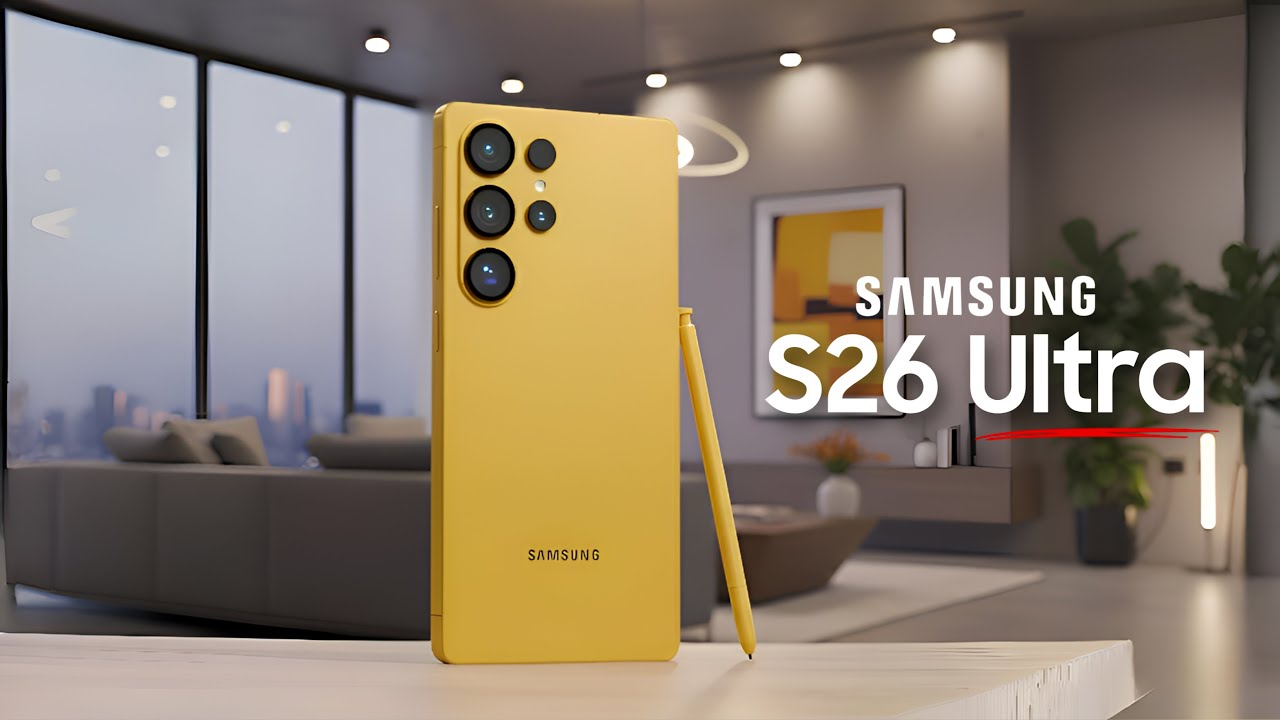
The story here is one of surgical tweaks, usability polish, and smarter imaging.
Back to a camera island – on purpose
The headline design move is visual and practical: Samsung is reportedly returning to a camera island on the S26 Ultra after several years of individually mounted lenses. The new island – evocative of the Galaxy S25 Edge – groups the cameras into a single, sculpted plate. That shift won’t just change the vibe on a table; it also introduces different case cutouts, a tighter aesthetic, and potentially better protection against dust rings around individual lenses.
Dimensionally, the S26 Ultra is expected to measure a svelte 7.9 mm at the frame, with the island protruding roughly 4.5 mm. Yes, that means a touch of desktop wobble when you tap the screen on a flat surface. It’s hardly unusual for ultra-ambitious camera hardware, and it’s also the trade-off you accept when optics demand space. Only a centered island can truly stabilize a phone on a table, and Samsung appears to be prioritizing visual balance and internal packaging over the perfect desk feel.
Familiar shape, cleaner details
Renders published by Android Headlines suggest that fans will instantly recognize the silhouette: a modern, flat frame with softly rounded corners – essentially a calmer, more deliberate evolution of the S25 Ultra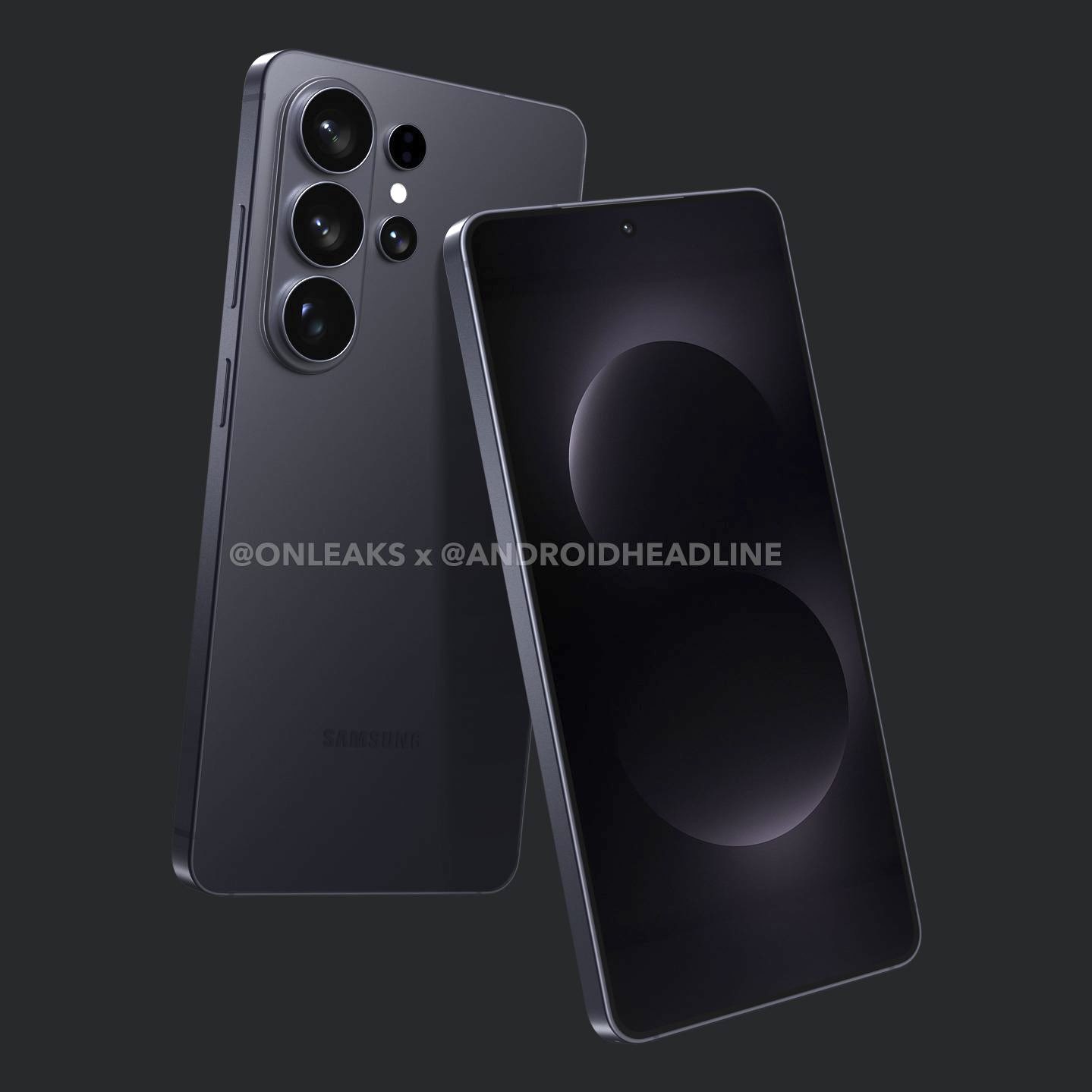
. The result is a phone that looks premium without shouting for attention, and one that should feel reassuringly steady in a case or bare.
S Pen ergonomics: subtle but smart
The S Pen remains a defining Ultra feature, and its housing appears to nudge outward toward the very edge of the bottom-left corner. That relocation is a logical consequence of the slimmer chassis (the S25 Ultra was 8.2 mm), and it has a second-order effect: the S Pen’s back end – the so-called “clicker” – is reportedly reshaped and no longer flat, as hinted by a previous leak on X (source). For power users who pop the stylus dozens of times a day, even that tiny ergonomic tweak can make the difference between a fluid, one-handed routine and a fumble.
Where the Edge feels truly new
Ironically, the freshest look in the S26 family may belong to the Galaxy S26 Edge rather than the Ultra. Reports indicate the Edge gets a sweeping camera island that spans the phone’s top half – an architectural move reminiscent of the so-called camera “plateau” rumored for Apple’s iPhone 17 line. 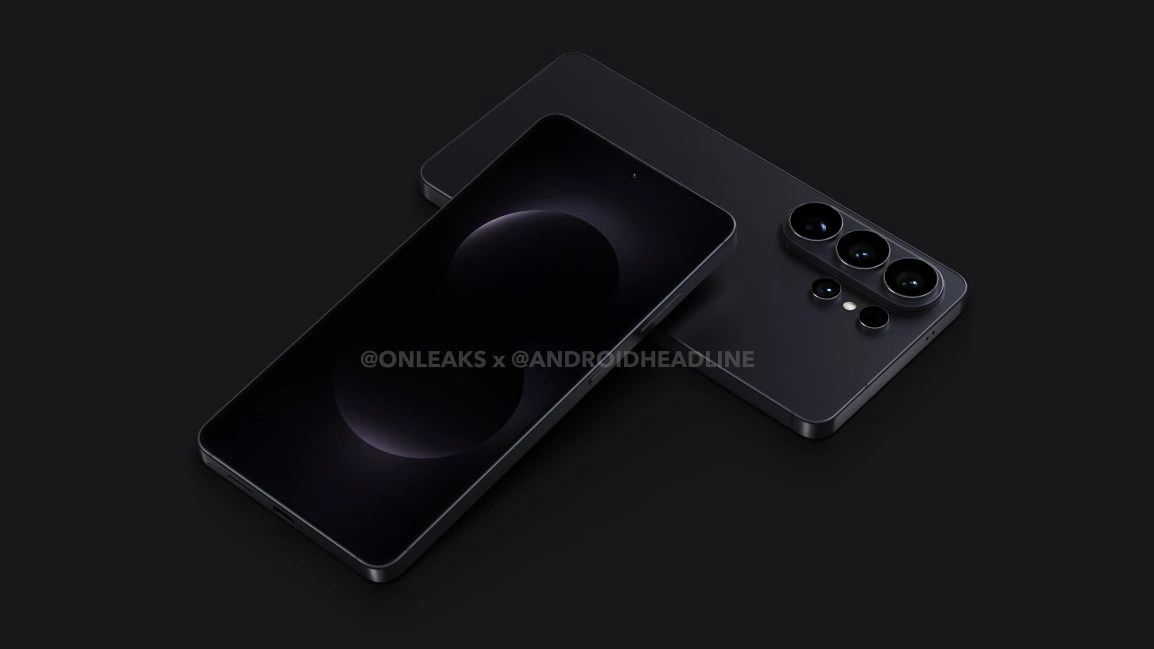
While the lenses themselves still live toward the left corner, the broad, integrated plateau reads as a centered design element, changing how light and reflections play across the back and potentially improving how the phone sits in landscape on a table or tripod.
Samsung’s next-gen OLED: brighter, bolder, more private
If exterior updates are cautious, the display story is anything but. The Galaxy S26 Ultra is tipped to ship with Samsung’s most advanced OLED yet – an iteration already spotted on a competing handset (report). Expect a notable jump in peak brightness for HDR highlights and sunlit legibility, alongside richer, more saturated colors that maintain tonal accuracy. Equally intriguing is a privacy viewing mode Samsung has been testing (demo): it narrows viewing angles to keep screen content from prying eyes on trains, planes, and open offices. Think of it as a built-in privacy filter you can toggle, rather than a permanent hardware sheet that hurts everyday visibility.
Cameras: the hardware largely holds, the software goes harder
On paper, the camera hardware doesn’t swing for the fences – and that’s deliberate. The Galaxy S26 Pro is expected to keep a setup that mirrors the S25: a 50 MP wide, 12 MP ultra-wide, and 10 MP telephoto at 3x. The S26 Edge reportedly sticks with a 200 MP main sensor but upgrades its ultra-wide from 12 MP to 50 MP, a more meaningful bump for capturing sweeping interiors and travel panoramas without the smear you sometimes see at the edges.
For the Ultra, the big sensor remains big: Samsung’s ISOCELL HP2 at 200 MP continues as the primary, paired again with a 50 MP ultra-wide and a 50 MP 5x telephoto. The question mark is the secondary 10 MP 3x: it may carry over unchanged or see a quiet enhancement. If that sounds conservative, it is – but it also hints at where Samsung believes the real gains lie in 2026: computational photography.
Expect heavier reliance on multi-frame fusion, smarter scene understanding, and more aggressive semantic segmentation to balance texture and noise. Night shots should benefit from cleaner demosaicing and better micro-contrast; portraits from more convincing subject separation and hair detail; zoom from improved sharpening that resists the “crunchy” look. None of that requires new sensor silicon – just better tuning and bigger on-device models. For enthusiasts who crave brand-new optics every year, this will sting. For everyday shooters, consistent leaps in color science and reliability often matter more than spec-sheet fireworks.
Who is each model for?
Ultra: for stylus devotees, display snobs, and travelers who want an all-in-one camera with a confident 5x lens and the headroom of a 200 MP main. The new island keeps the look cohesive, and the privacy mode could be a small but impactful quality-of-life win.
Edge: for users who want the bold, monolithic back and a serious ultra-wide upgrade without chasing the absolute top zoom. The plateau design gives it visual identity the moment it lands on a café table.
Pro: for buyers who value stable, proven camera behavior and a lower learning curve – familiar hardware plus whatever computational tricks Samsung rolls out across the stack.
The bottom line
The Galaxy S26 Ultra doesn’t rip up the blueprint. Instead, it refines a restrained industrial design, re-embraces a unified camera island, rethinks S Pen ergonomics to match a thinner frame, and leans into a class-leading OLED with a privacy twist. Meanwhile, the Edge steals some design thunder with its top-half camera plateau, and the Pro keeps a steady hand on hardware while waiting for software to pull more weight. In short: if you were banking on radical exterior change, the Ultra isn’t that phone. If you care about the day-to-day experience – screen, stylus, and smarter photos – this year’s “quiet” upgrade may be the one that ages best.
2 comments
Hope they tune the colors better this time. Last year was too punchy for skin tones
200mp again? samsung really said ‘ai will fix it’ lol