The long-awaited Apple Vision Pro 2 is finally coming into focus, but the latest leaks suggest it may not be the groundbreaking device many were hoping for. Despite its absence at the iPhone 17 launch in September, Apple has been quietly refining its mixed reality headset behind the scenes. 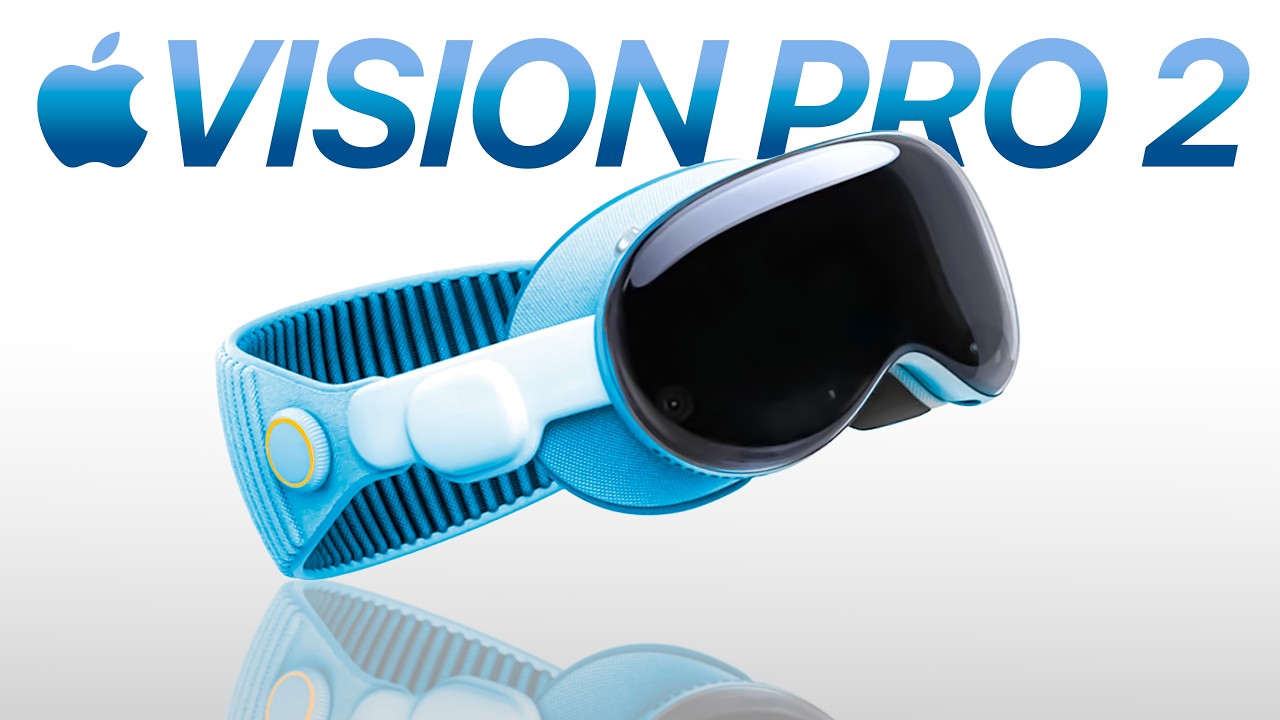
Now, details from an FCC filing – documents that Apple reportedly wanted to keep under wraps – reveal that the Vision Pro 2 will be strikingly similar to the first-generation model.
For starters, the price point doesn’t appear to be budging. The Vision Pro 2 is expected to launch at the same $3,499 price tag, a figure that already placed its predecessor in a premium category that few consumers were willing to enter. If this price remains, analysts warn that the device could stumble straight out of the gate, overshadowed by more affordable competitors.
Part of the problem lies in Apple’s positioning within the XR (Extended Reality) landscape. While the original Vision Pro introduced impressive engineering, it was weighed down by redundant features, such as EyeSight – the external display that projected a digital version of the wearer’s face. Though innovative in concept, EyeSight was widely criticized as unnecessary and costly. Leaks suggest Apple may strip away some of these excess features in the Vision Pro 2 in an effort to streamline the device and, ideally, reduce manufacturing costs. Still, if the retail price stays locked at $3,499, cost-cutting on hardware may not resonate with potential buyers.
Behind the scenes, Apple’s real long-term ambition appears to be elsewhere. Insiders note that CEO Tim Cook is increasingly focused on developing lightweight, consumer-friendly AR glasses that could directly compete with Meta’s vision for augmented reality wearables. In this sense, the Vision Pro 2 may serve more as a bridge product, keeping Apple in the XR conversation while it prepares its next big move.
On the technical front, the Vision Pro 2 is not without upgrades. Reports indicate that it will replace the M2 processor of the original with the more powerful M4 chip, fabricated on a cutting-edge 2nm process. This leap could provide more efficiency and performance, boosting visuals and interaction speed inside the mixed reality environment. However, the question remains whether raw performance alone is enough to sway consumers.
One persistent issue Apple faces is the lack of compelling content for VisionOS. Even the most powerful hardware struggles when there is little for users to experience, and here Meta still dominates the field with its affordable Quest 3 headset and vast ecosystem of apps and games. At nearly one-seventh the price, the Quest 3 makes Apple’s premium headset look more like a niche experiment than a mass-market product.
Industry experts speculate that while sales of the Vision Pro 2 will likely be modest, Apple gains something more important: user data. The limited audience of early adopters provides Apple with insights into how consumers interact with XR hardware, helping refine its future projects. Meanwhile, Meta continues to enjoy a commanding lead in market share, setting the pace for others to follow.
If Apple indeed launches the Vision Pro 2 before the end of the year – likely alongside Samsung’s Project Moohan headset – the mixed reality market could see a flurry of new hardware. Yet, without a significant price drop or a breakthrough feature that differentiates it, the Vision Pro 2 risks being remembered as a placeholder rather than a revolution.