Samsung has finally made the Galaxy Tab A11 official, confirming the existence of its larger sibling, the Galaxy Tab A11+, though the plus-sized version won’t be hitting shelves until the end of 2025. That long wait raises eyebrows, especially since the standard A11 is already rolling out in several regions, with Ireland, for example, seeing shipments as early as October 2. The company seems determined to stretch its affordable tablet lineup with features that were once considered reserved for premium devices.
Let’s start with the basics: the Galaxy Tab A11 is an 8.7-inch slate running an LCD screen with a 90Hz refresh rate, powered by MediaTek’s Helio G99 chipset. 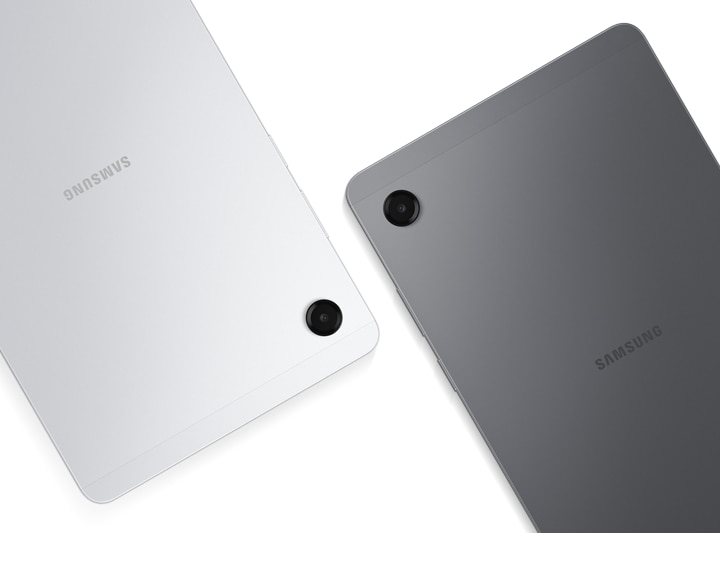
While not groundbreaking in performance, it’s a familiar, dependable chip seen in many budget tablets, and Samsung has chosen it over even older, less capable processors often found in competitors’ devices. Storage options include 64GB or 128GB, and the bigger version doubles the RAM from 4GB to 8GB, which makes multitasking far smoother. Pricing varies by region, with Ireland listing €180 for the 4/64GB model and €230 for 8/128GB, while in India the Wi-Fi variant starts at ₹13,000. There’s also a 5G version, starting at ₹16,000 for the base model. The 128GB option consistently offers 8GB RAM, which is a meaningful upgrade for users juggling multiple apps.
Meanwhile, the Galaxy Tab A11+ stretches things to 11 inches and boosts the battery to 7,040mAh, compared with 5,400mAh on the smaller A11. Charging speeds differ too: the A11+ supports 25W fast charging, while the A11 likely sticks to 15W, similar to its predecessors. Both tablets retain practical features often dropped in higher-end designs – there’s still a 3.5mm headphone jack, Dolby Atmos audio support, and a microSD slot expandable up to 2TB.
The real standout for the A11+ is DeX support. Samsung’s desktop-like interface has traditionally been limited to its premium Galaxy Tab S line, and bringing it to a budget tablet could redefine expectations for productivity in the low-cost segment. That said, early speculation suggests it may only work in on-device mode, meaning no external display output over USB-C, unless Samsung surprises us with a USB 3.0 port. Even then, for many users, having the option to multitask in a PC-like environment directly on the tablet is a game-changer at this price point. It’s worth noting that the Galaxy Tab A9+ already had DeX support, so this isn’t entirely new, but its return here signals that Samsung is making DeX a standard feature across more of its tablets.
As for updates, Samsung promises seven years of OS and security patches, a remarkable commitment for budget-friendly hardware. However, some details remain frustratingly absent, such as the exact chipset powering the A11+. Rumors suggest a Dimensity 7300, which would be a noticeable jump over Snapdragon 695 devices thanks to its more advanced architecture and efficiency gains. Pricing also remains a mystery, and the long release window adds to the uncertainty.
Design-wise, critics point to chunky bezels that make the tablets feel less modern, though at this price bracket functionality tends to outweigh aesthetics. For some, the presence of a 90Hz display and DeX support is enough to forgive the lack of sleeker design or AMOLED screens. Still, in a crowded budget tablet market where alternatives like Redmi Pad Pro or even older Samsung devices exist, the A11 series will have to balance its strengths carefully to convince buyers to wait for the Plus model.
Ultimately, Samsung is signaling that productivity shouldn’t be limited to premium tablets. By bringing DeX to the Galaxy Tab A11+, even with compromises, the company is nudging budget users toward more ambitious use cases – whether that’s light office work, study, or simply enjoying a more flexible multitasking experience without spending flagship money.
1 comment
idk why article sounds like a nothingburger, a9+ already had dex too