Samsung Galaxy S26 Series: Familiar Specs, Subtle Twists, and the Ongoing Camera Debate
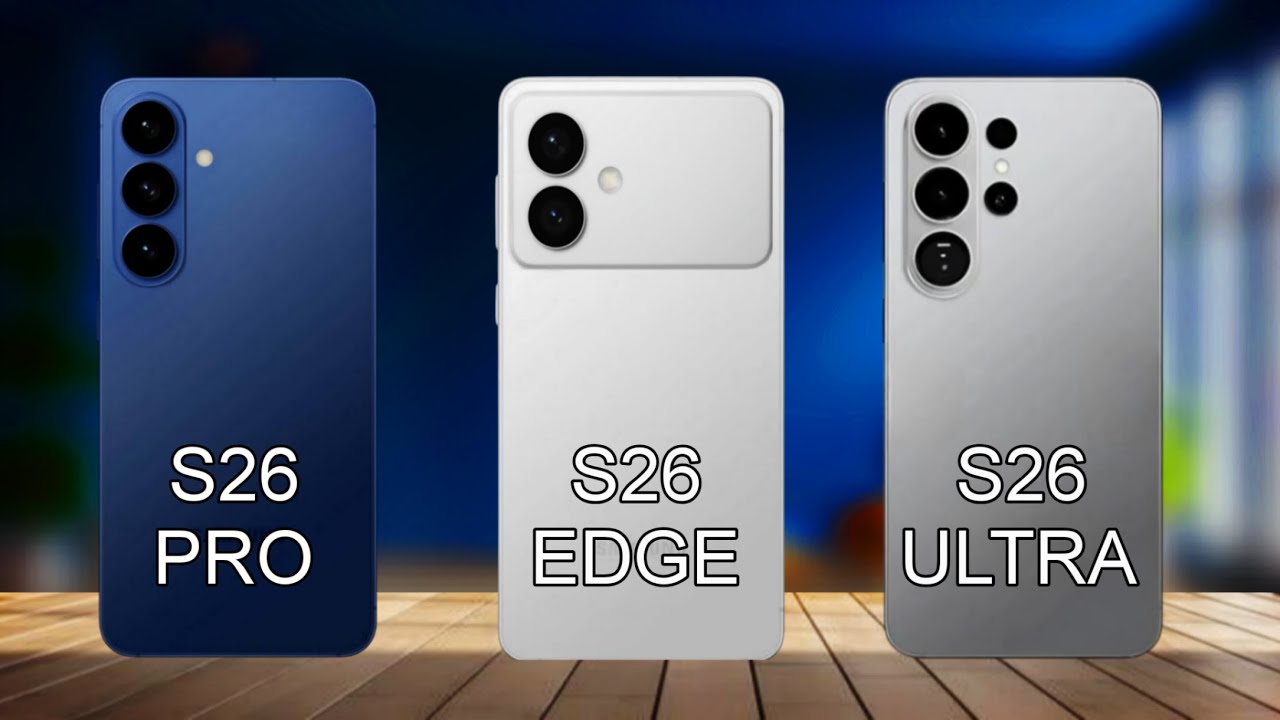
The Samsung Galaxy S26 family is nearly ready to step into the spotlight, and by all accounts, the final camera specifications are now locked. A recent Korean media report indicates that key components are entering mass production, which effectively cements many of the rumors we’ve been hearing about the Galaxy S26 Pro, S26 Edge, and S26 Ultra. In other words, don’t expect last-minute miracles or radical surprises in the camera department.
The most puzzling part of this lineup remains the branding. Why a Pro? When the S26 rebranding chatter first appeared, many hoped the Pro label would bring something special. Yet insiders insist the name doesn’t signify anything dramatic. Instead, it looks more like a continuation of Samsung’s naming strategy, one that keeps the product line in sync with wider industry trends. Apple did it, now Samsung feels compelled to mirror the naming approach, even if the actual differences between models are subtle.
The S26 Pro: Conservative but Reliable
The Galaxy S26 Pro camera system mirrors its predecessor, the S25, almost entirely. Expect a triple rear camera composed of a 50MP primary lens, a 12MP ultra-wide shooter, and a 10MP telephoto with 3x optical zoom. On the front, a 12MP selfie camera will continue its duties. That setup may look like déjà vu to those hoping for an overhaul. Still, Samsung’s strength has often come not from megapixel count but from sensor refinements and clever software optimization. Rumors suggest the S26 Pro might switch out the S25’s Isocell GN3 sensor for a new generation sensor – same resolution, but potentially sharper performance in low light and better color processing. That could partly justify the ‘Pro’ branding, even if the spec sheet looks stagnant.
The S26 Ultra: Familiar Powerhouse
Samsung’s top-tier Ultra model has become the safe haven for enthusiasts who want everything maxed out, and the S26 Ultra is holding that position. The camera setup – 200MP primary, 50MP ultra-wide, 50MP telephoto, and 10MP periscope zoom – will remain unchanged from the S25 Ultra. Selfies stick with a 12MP sensor. Disappointment? Maybe. But this isn’t necessarily bad news. The Ultra’s massive sensor array already pushes the boundaries of what a smartphone can handle. Instead of chasing higher pixel counts, Samsung may be focusing on refinements in computational photography, AI-driven enhancements, and possibly new display tricks, like the rumored Privacy Display that reduces viewing angles for sensitive content. Hardware repetition doesn’t mean user experience stagnation.
The S26 Edge: The Quietly Ambitious One
If there’s any real camera upgrade in the family, it belongs to the S26 Edge. Samsung is reportedly swapping its modest 12MP ultra-wide lens for a new 50MP sensor. That’s a serious leap in detail and image quality for wide-angle shots, especially useful for landscapes, group photos, and video recording. The Edge will also pack a 200MP primary sensor, making it a compelling middle-ground option. Still, hopes for an added telephoto lens appear dashed – Samsung seems determined to keep that feature exclusive to the Ultra tier. On the plus side, whispers suggest the Edge will also carry a larger battery than the S25 Edge, making it more practical for day-to-day heavy users.
The Bigger Picture: Why Incremental Updates Still Matter
Some will undoubtedly scoff at these specs. The argument is old: “phones are not DSLR cameras.” And it’s true. Even the best smartphone sensors can’t match a dedicated SLR or mirrorless system when it comes to optics, depth, and professional-grade output. Yet, the appeal of a smartphone camera is convenience and consistency. For everyday shots, social media, or quick moments, Samsung’s flagship devices consistently deliver. And while the S26 cameras may look familiar, the real upgrades are likely in unseen places: sensor generations, AI-powered editing, faster image processing, and subtle ergonomic changes like the Ultra’s softened corners for better in-hand feel.
Branding plays its role, too. The “Pro” moniker may feel hollow, but it signals to customers that Samsung is keeping its tiered ecosystem alive. The Edge absorbing the Plus role simplifies the lineup, even if it muddies expectations around what constitutes a mid-tier flagship. Samsung knows consistency sells, and the S26 family seems designed to reinforce brand loyalty rather than reinvent the wheel.
Should You Be Excited?
The Galaxy S26 family might frustrate spec-sheet hunters, but for the average user, the stability of design is a strength. Samsung’s flagship devices already compete at the top of the market, and incremental updates ensure maturity rather than experimentation. The Ultra’s privacy-focused screen and refined design tweaks hint at Samsung still trying to innovate beyond raw numbers. Meanwhile, the Edge may quietly become the sweet spot of the lineup, offering a powerful main shooter and upgraded wide-angle lens without the price extremes of the Ultra. As for the Pro, it remains the modest workhorse – steady, familiar, but still benefiting from under-the-hood improvements.
In short: the Galaxy S26 series is shaping up less like a revolution and more like a careful evolution. And maybe, in an era of flashy gimmicks, that’s exactly what many users want.
3 comments
im tired of this whole camera hype… its a phone not a DSLR 🤦
honestly if you want real photos just buy an SLR, these phones never come close
that “Pro” name is just copying apple, nothing pro about it tbh