Apple appears to be moving its next-generation MacBook Pro into the final stages of preparation, with suppliers reportedly shifting to mass production. Industry watchers, including Mark Gurman and Ming-Chi Kuo, broadly agree on the shape of the roadmap: refreshed MacBook Pro models powered by the M5 family could arrive in a window that stretches from late 2025 into early 2026, with retail availability expected no later than March. That timing mirrors previous early-year MacBook Pro launches and suggests Apple is comfortable spacing major notebook updates around the holiday cycle and the company’s spring announcements.
What to expect from the M5 MacBook Pro
If Apple sticks to its playbook, the incoming line will focus on the silicon. 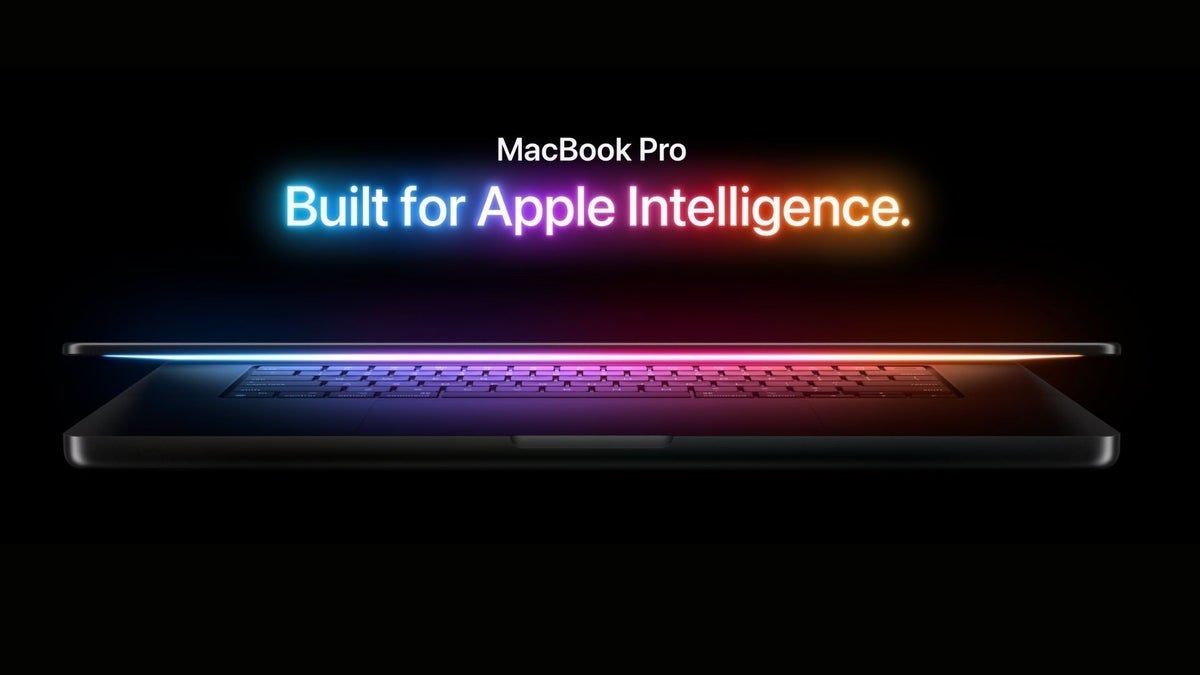
The M5, M5 Pro, and M5 Max chips are expected to drive most of the year-over-year gains, particularly in sustained performance per watt, integrated GPU throughput, and machine-learning acceleration. Apple’s in-house silicon roadmap typically pushes efficiency first – which matters as much for a 16-inch workstation as it does for a 14-inch travel rig. For pro users bouncing between Xcode builds, Lightroom exports, Blender renders, and multi-track audio sessions, even single-digit efficiency improvements can translate into longer unplugged sessions and cooler thermals under heavy loads.
Outside of the processor, rumors point to modest changes. Expect the same broad design language and port mix introduced with the 2021 redesign – MagSafe charging, HDMI, multiple Thunderbolt ports, and an SD card reader – because that configuration has proven practical for creators. Apple is unlikely to upend a layout that satisfies both camera-centric workflows and desk-docked setups. Displays should remain Mini-LED with ProMotion and excellent HDR, while the chassis may see quiet refinements to speakers, microphones, and the webcam pipeline.
Why Apple might choose an early-year launch
New Macs often surface in October, but early-year drops are hardly unusual. Apple announced M2 Pro and M2 Max MacBook Pros in January 2023, positioning them as a clean, spec-forward upgrade. A similar cadence for the M5 models allows Apple to keep the fall window focused on iPhone and Apple Watch while giving the Mac a clear stage later on. It also gives developers and IT buyers a predictable window to plan refresh cycles, certification testing, and fleet deployments before summer conferences.
Bigger changes are reportedly slated for late 2026
The juicier rumors cluster around a more dramatic MacBook Pro overhaul expected toward the end of 2026. Four headline upgrades are frequently mentioned: a switch to OLED displays, the introduction of a touchscreen, a thinner and lighter chassis, and the debut of M6-series chips fabbed on a cutting-edge 2nm process, including M6 Pro and M6 Max. Each of these shifts would be meaningful on its own; together, they suggest the most significant MacBook Pro leap since the 2021 redesign.
OLED would bring perfect blacks, faster pixel response, and finer-grained HDR control than Mini-LED’s local dimming. Creatives who color-grade HDR footage or deliver motion graphics would benefit from better contrast shaping and fewer blooming artifacts. A touchscreen would mark a philosophical shift for the Mac, enabling direct manipulation in pro apps – sketching masks, nudging keyframes, or pinch-zooming timelines – without sacrificing trackpad precision. A thinner body would likely be enabled by both the display change and the efficiency gains from M6 silicon; Apple typically banks thermals saved by new nodes as either performance headroom, battery life, or physical compactness.
Cellular Macs and a smaller notch?
Another persistent thread: Apple is reportedly exploring cellular connectivity for the Mac. If realized, the company could pair an OLED MacBook Pro with a custom modem akin to those tipped for future iPhones, delivering always-on connectivity without dongles or phone tethering. For road-warriors hopping between coffee shops, studios, and client sites, native 5G would remove a daily friction point. These OLED models are also rumored to feature a smaller notch, reflecting both panel advances and continued optimization of the camera and sensor stack.
Should you upgrade or wait?
If you need a machine in late 2025 or early 2026, the M5 generation should deliver the predictable comforts of Apple’s silicon march: faster compiles, snappier GPU pipelines, and longer battery life under sustained workloads, all inside a field-proven chassis. If your current MacBook Pro still handles your timeline lengths and plugin stacks, the 2026 overhaul – with OLED, touch, a slimmed design, and M6-class chips – sounds like the kind of step-change that can extend a pro workflow’s relevance for several extra years. As always, the right move is anchored to your project deadlines: buy when the work demands it, or wait when the roadmap promises distinctly new capabilities.
Either way, Apple’s notebook strategy looks set: a silicon-forward release in the near term, then a visually and functionally ambitious refresh on the horizon. For pros, that clarity helps: plan for an M5-powered cycle soon, and keep an eye on late 2026 if OLED, touch support, and next-gen silicon would materially change how you create.
1 comment
My 2021 MBP still crushes it, but always-on 5G would be huge for travel