Remember when buying a gadget or downloading an update was straightforward? You’d hear a product name, recognize its place in the lineup, and immediately know what it meant. That logic seems to have collapsed in 2025. 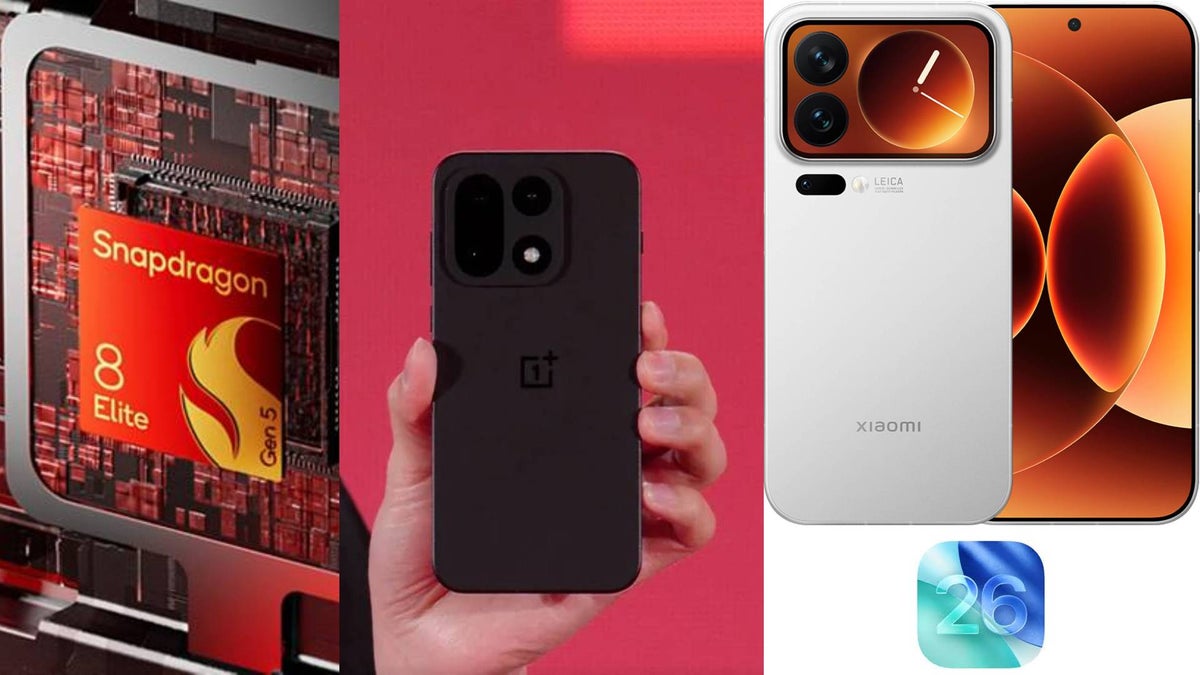
Across the tech industry – from smartphones to processors – naming conventions have been tossed aside, leaving even seasoned followers scratching their heads.
Apple, Xiaomi, OnePlus, and Qualcomm have each decided to bend or break the rules this year. Apple leapt from iOS 18 straight to iOS 26, justifying the move as a way to align software versions with calendar years. Xiaomi ditched the expected 16-series entirely and introduced the Xiaomi 17 series instead. OnePlus, apparently cursed by superstition, chose to skip 14 and jump directly to OnePlus 15. Meanwhile, Qualcomm has gone full labyrinth, serving up a processor line that feels more like a puzzle than a product roadmap.
For many consumers, the changes don’t inspire excitement – they spark confusion. Even journalists who live and breathe technology struggle to keep up with what’s being released. Apple’s decision can be rationalized: a clear yearly tie-in at least provides a frame of reference. But the logic unravels with Xiaomi’s strategy. The company openly admitted that its renaming choice was to make its flagship line sit alongside Apple’s iPhone 17 Pro, hoping customers would subconsciously equate them. As Xiaomi president Lu Weibing explained in September 2025, the company’s long-term aim has been to learn from Apple, directly benchmark against the iPhone, and compete in the same generation. Still, imitation doesn’t always equal respect; following the ‘cool kid’ rarely wins you the same status.
OnePlus’s reasoning might raise even more eyebrows. The company claims that skipping to 15 has cultural logic: the number 4 is considered unlucky in Chinese traditions. Yet it previously had no trouble releasing models with the number 13 – another figure with bad luck associations in other cultures. To many buyers, it feels inconsistent, like a move to keep pace in a marketing arms race rather than a genuine cultural nod.
Then there’s Qualcomm, the king of complicated branding. After the Snapdragon 888 5G, we suddenly met the Snapdragon 8 Gen 1, which was followed by the Snapdragon 8 Elite. This year the company proudly presented the Snapdragon 8 Elite Gen 5. To Qualcomm, it makes perfect sense: the firm insists this is the fifth chip in the single-digit Snapdragon 8 series. To everyone else, it feels like alphabet soup, the kind of name that could easily have been generated by an over-caffeinated AI model in the basement.
The real danger is that this chaos erodes consumer trust. Buyers are already overwhelmed by dozens of models each year, minor refreshes, and endless variants. Now, with names jumping erratically, it’s harder than ever to understand whether the device in your cart is truly new or just a rebranded cousin of last year’s model. With screens competing for our attention and doomscrolling becoming a daily ritual, keeping track of erratic naming schemes feels like an unnecessary burden.
That’s not to say naming conventions must remain static. Rebrands can make sense when a product genuinely changes course, or when a line is retired – Samsung’s phasing out of the Note, for instance, felt like a logical end to a distinct chapter. But random number-jumping and imitation strategies risk reducing product identity into noise. Apple can afford this kind of play; its cult-like following will adapt. But for challengers like Xiaomi and OnePlus, leaning too heavily on gimmicks could backfire.
The smartphone and processor markets are fiercely competitive, and every launch is meant to grab a slice of attention. Yet brands would do well to remember that clarity sells. A name isn’t just a label – it’s a promise, a shorthand that tells buyers what to expect. Break that promise too many times, and people may stop caring altogether. The irony is, in their effort to sound new and bold, some companies are only making themselves harder to follow.
1 comment
qualcomm names sound like they used random word generator lmao