The launch of the iPhone Air has sparked an intense discussion about how Apple is balancing design and durability in its latest lineup. Allstate Protection Plans, known for their rigorous device testing, recently put both the iPhone Air and the flagship iPhone 17 Pro through a series of drop and bend tests. 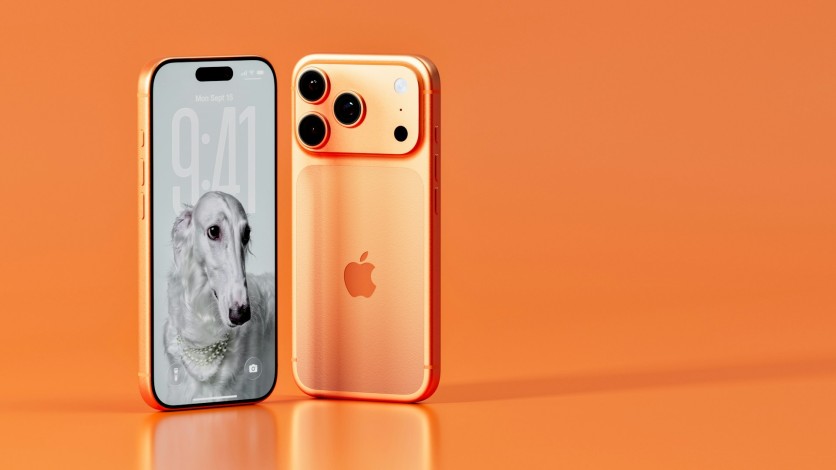
These trials were designed to answer the question many buyers have before investing in a new smartphone: just how tough are these devices when confronted with real-world accidents?
One of the most striking findings comes from the bend test. The iPhone 17 Pro, built with a premium titanium structure, withstood more than 90 kilograms of force before showing signs of stress. Surprisingly, the much thinner iPhone Air – measuring just 5.6 mm in thickness – held up impressively as well, bending only after 86 kilograms of pressure. To put that in perspective, the average person is highly unlikely to subject their phone to such force in day-to-day life. Both devices, despite the bend, remained fully functional, which suggests that Apple’s design tweaks and new materials have made these iPhones significantly stronger than previous generations.
Where the iPhone Air begins to show weakness, however, is in drop performance. During controlled tests simulating a fall from pocket height – about 1.8 meters – onto a hard surface, both devices’ displays cracked under impact. The Ceramic Shield 2, Apple’s latest protective glass, kept the phones operational, but the shattered glass edges were considered unsafe to handle without a case. The difference became clearer when the phones were dropped on their backs: the iPhone 17 Pro escaped with little more than a few cosmetic scuffs, while the iPhone Air’s back panel shattered extensively, leaving it far more vulnerable.
Allstate’s report emphasizes that both models still surpass industry durability benchmarks and are more resilient than older Apple designs. The titanium frame and refined engineering have clearly paid off, even if the iPhone Air’s slim build means it cannot quite match the robustness of the Pro model in every scenario. Still, consumers are reminded not to rely too heavily on these improvements. Screen replacements for the iPhone Air or Pro cost upwards of $329, making protective cases and screen guards a smart investment regardless of how strong the devices may appear.
In short, Apple has achieved an impressive balance with the iPhone Air. It may not fully rival the 17 Pro in every durability test, but for a device so thin and lightweight, it offers remarkable strength. Users looking for a blend of sleek design and solid durability will likely find the Air to be a compelling choice – so long as they pair it with the right protective accessories.
3 comments
lol imagine paying 329 just to fix screen 💀
tbh both holding up better than my old 13 lol
always use a case ppl, saves u $$$