For years, the smartphone market has been dominated by sleek touchscreens, but beneath the surface there remains a quiet nostalgia for physical QWERTY keyboards. Many users still swear they type faster and more accurately when real keys are at their fingertips, though that doesn’t necessarily mean they’re clamoring for a return to bulky BlackBerry devices. Yet a curious revival is stirring, with companies testing the waters to see if this unique niche still has life left in it.
One of the loudest voices pushing this movement forward is Kevin Michaluk, the founder of CrackBerry and co-creator of the Clicks keyboard case. His initiative, BringBackBlackBerry.com, has gathered attention from fans who long for a tactile typing experience. 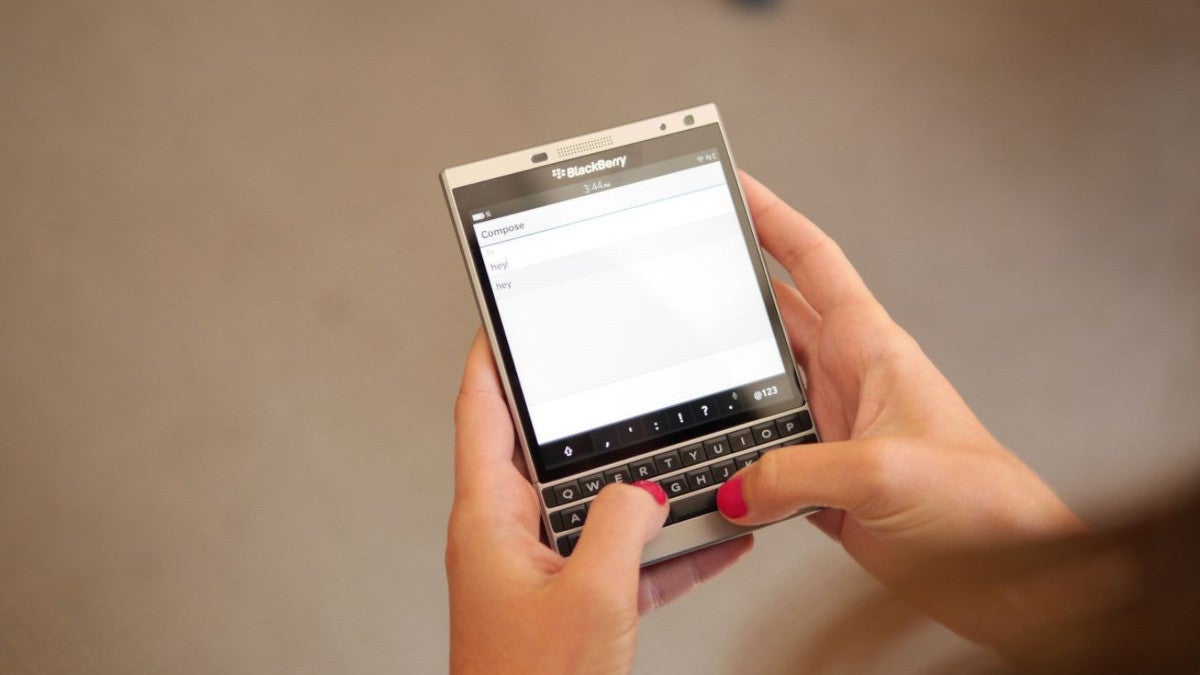
Meanwhile, a company named Zinwa has taken the idea a step further by resurrecting iconic models like the BlackBerry Classic (Q20) and Passport. These refurbished units are far from simple resales – they’ve been re-engineered with modern internals such as upgraded processors, batteries, cameras, and RAM. Most notably, Zinwa’s revamped models ditch the outdated BlackBerry 10 OS in favor of Android 13. While these devices are limited to 4G LTE connectivity – meaning they won’t run on 5G networks – they aim to blend retro charm with present-day usability.
The updated BlackBerry Classic goes by the name Zinwa Q25 Pro and is priced at $420. For owners of old devices willing to get their hands dirty, a DIY kit costs $300. Fans of the once-radical BlackBerry Passport can also bring their device back to life using Zinwa’s kit, creating the Zinwa P26. The Passport, famous for its wide 4.5-inch square display and unusual form factor, was a cult favorite when it launched in 2014. With Android at the helm, Zinwa hopes these handsets can enjoy a second life among enthusiasts.
Surveys suggest there is still demand for the physical keyboard experience. In fact, a recent poll showed that over 90% of respondents felt they typed faster and more precisely on a QWERTY keyboard compared to glass-only touchscreens. This finding lines up with the commercial success of the Clicks keyboard case, which retrofits modern iPhone and Android devices with detachable keyboards. Available for around $159 or less depending on the model, the case has sold well through retailers such as Best Buy and the Clicks website. For many, it offers a compromise: touchscreen convenience when they want it, tactile keys when they need it.
However, those who want an entirely new smartphone with a built-in keyboard – no extra case required – might look toward the Unihertz Titan 2. This rugged phone borrows inspiration from the BlackBerry Passport, offering the same 4.5-inch 1440 x 1440 display. But unlike Zinwa’s refurbished devices, the Titan 2 is thoroughly modern. Powered by the Dimensity 7300 processor, it includes 12GB of RAM, 512GB of storage, and a camera setup that pairs a 50MP main sensor with an 8MP telephoto lens and a 32MP selfie shooter. A 5050 mAh battery promises extended use, while biometric security is handled via both fingerprint and facial recognition. Priced at $399.99, the Titan 2 sits at the crossroads of nostalgia and innovation, offering a rare option for keyboard loyalists in a sea of slab-style phones.
The question is: does interest translate into true consumer demand? Poll numbers may reveal that people type better on hardware keyboards, but that doesn’t automatically mean they want to carry one in their pocket. For instance, some who experimented with the Clicks case reported that, after extended use, their typing speed and accuracy were no better than with a virtual keyboard. Yet they admitted the case shined during long-form typing sessions, such as drafting lengthy messages or entering data. In other words, the advantages might only show up in specific contexts rather than everyday texting.
Still, nostalgia is a powerful driver. BlackBerry’s Passport in particular has seen strong interest in the resale market, with sealed original units fetching premium prices from collectors and fans. The model ran on BlackBerry 10.3, which supported a limited number of Android apps via runtime compatibility with Android 4.3 Jelly Bean (API 18). Even with its outdated software, its bold design continues to draw admirers nearly a decade later.
The entire debate echoes the evolution of the virtual keyboard itself. While many associate Apple with popularizing the concept in 2007, the true first phone to feature a touchscreen QWERTY is debated. Some historians point to the IBM Simon Personal Communicator from 1994, which had a resistive touchscreen and rudimentary on-screen keyboard. Others cite the LG Prada, released in early 2007 just months before the iPhone, with its capacitive screen but limited smartphone features. Apple’s iPhone, of course, cemented the virtual keyboard as the standard. Ironically, Android’s first phone, the T-Mobile G1 (also called the HTC Dream), relied on a physical slide-out QWERTY before Google’s Android 1.5 “Cupcake” update introduced a software keyboard.
As history shows, physical keyboards never disappeared because they failed – they simply lost ground to the versatility and efficiency of full-touch devices. Today’s revival attempts, whether through Clicks cases, Zinwa refurbishments, or Unihertz flagships, speak less to mass demand and more to the stubborn loyalty of a subculture that refuses to let go. Whether that niche can support sustainable business remains uncertain, but one thing is clear: the conversation about QWERTY keyboards isn’t over yet. If nothing else, it reveals how deeply design choices shape our relationship with technology – and how certain tactile experiences linger long after the mainstream has moved on.
4 comments
passport was peak design, nothing comes close today
that titan 2 looks kinda sick ngl
ngl i type faster on my iphone keyboard than i ever did on keys
why no 5g tho? dealbreaker