At Qualcomm’s Snapdragon Summit in Maui, one announcement stood out above all: Google is finally preparing to merge Android and ChromeOS into a single operating system for laptops. 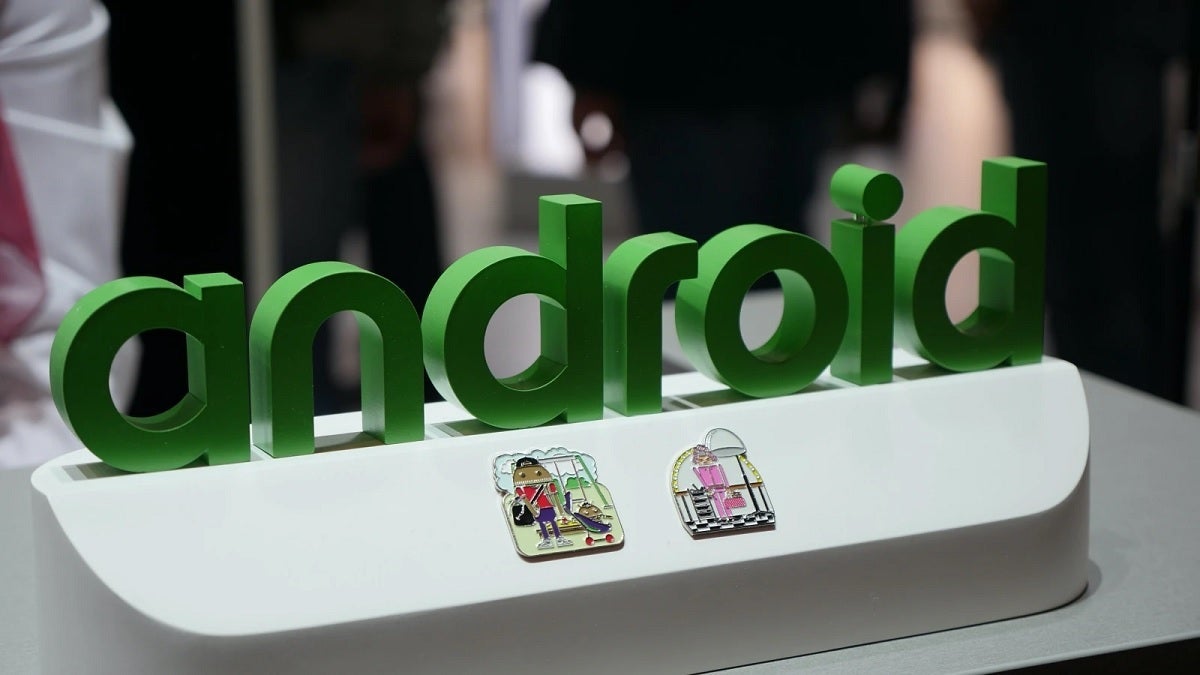
For years, speculation swirled about whether the two platforms would ever come together. Now, according to both Google executives and Qualcomm’s leadership, that vision is becoming reality as early as next year.
Sameer Samat, head of the Android Ecosystem at Google, explained that ChromeOS has been a proven success in education and lightweight computing, while Android tablets have evolved into serious productivity machines. The moment, he said, is ripe for Google to unify its platforms and push its AI advancements straight into laptops. This move could finally eliminate the fragmentation that Android users often complained about, creating a seamless bridge between phones, tablets, and PCs.
Qualcomm’s CEO Cristiano Amon added fuel to the excitement, revealing that he has already seen the new Android-for-PC system in action. His reaction? He can’t wait to own one himself. That alone hints at the confidence Qualcomm has in this project. Considering Qualcomm’s position as the primary maker of Snapdragon processors – chips that power both premium Android smartphones and an expanding line of laptop processors – the collaboration looks more than strategic; it’s a direct attempt to reshape the PC market.
Rick Osterloh, Google’s head of platforms and devices, confirmed that the company intends to bring its entire AI stack, including Gemini, to the new OS. More importantly, all existing Android apps and the huge developer ecosystem will be part of the package. Imagine having access to the same app library you use on your phone, but running natively on a laptop, optimized for larger screens and productivity workflows. That’s the promise being teased here.
From a technical standpoint, Samat described the effort as taking ChromeOS and re-baselining it on top of Android. While details remain under wraps, the combination suggests a foundational reengineering rather than just layering one system on the other. It’s Google and Qualcomm positioning themselves against the dominance of Apple’s macOS and Microsoft’s Windows, with a unique selling point: the world’s largest mobile ecosystem, now extended to PCs.
Interestingly, during the same event, Qualcomm unveiled the Snapdragon X2 Elite and Elite Extreme processors for laptops. These chips were presented as the most efficient ARM-based alternatives for Windows machines, signaling Qualcomm’s long-term play in the laptop space. While Google didn’t directly mention these chips in connection with Android for PC, it seems inevitable that such hardware would power the new operating system. The synergy could finally deliver what past experiments like Windows on ARM struggled to achieve: performance, efficiency, and ecosystem consistency.
For users, this marks a potential turning point. Android on laptops could reduce reliance on awkward bridging solutions like Phone Link or Samsung DeX. Instead of requiring additional steps, Google wants the ecosystem to simply work, just as Apple users enjoy across iPhone, iPad, and Mac. This shift is not just about convenience – it’s about locking users more tightly into Google’s services and expanding the reach of Android beyond mobile.
There are, of course, skeptics. Some recall Qualcomm’s earlier push for Windows on ARM, which has yet to gain widespread traction. Others worry Android’s flexibility might translate poorly into a desktop-first environment. Still, with AI at the center, and with both companies openly committed, the timing feels more promising than previous attempts.
Whether this combined OS succeeds or stumbles, it will mark a milestone in computing history. The convergence of two of Google’s most important platforms, paired with Qualcomm’s hardware muscle, could ignite real competition in a space long dominated by Microsoft and Apple. And with the sheer size of the Android developer community, the opportunity is enormous. If Google and Qualcomm pull this off, laptops may never look the same again.